


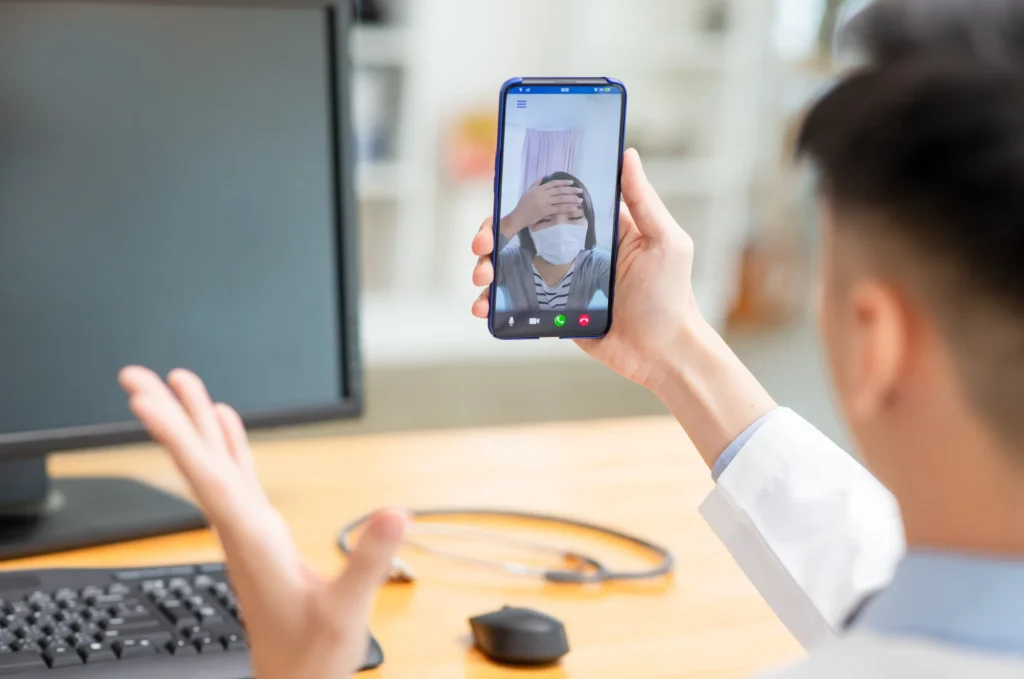
For many patients, virtual physical therapy means receiving guided rehab through live video instead of attending every visit in person. It can include evaluation, movement review, exercise instruction, education, and a home exercise plan.
At ITNYCPT in New York City, Keith Chan, a New York State-licensed physical therapist, serves as the subject-matter expert for this topic. This guide explains how virtual care works, when it may help, and when in-person care may be better.
Key Takeaways
- Virtual physical therapy can include evaluation, movement review, exercise instruction, education, and a home exercise plan through live video.
- Virtual PT may help with pain, mobility, balance, strength, and chronic conditions when the patient can move safely at home.
- In-person care may be better when hands-on testing, manual therapy, clinic equipment, or closer supervision is needed.
- Insurance coverage and cost vary by plan, provider network, state rules, and whether telehealth physical therapy benefits are included.
- Patients should confirm who will provide the care, how sessions will be reassessed, and what will happen if in-person treatment becomes necessary.
Can PT Be Done Virtually?
Yes, PT can be done virtually when the condition can be assessed through history, observation, movement testing, and guided exercise. Telehealth physical therapy uses video, live feedback, and clear instructions.
The American Physical Therapy Association states that telehealth can be appropriate and effective in physical therapy care when used in the right context.
Physical therapy telemedicine is not the same as a general workout video. Licensed physical therapists adjust care based on symptoms, goals, health history, and movement limits. Teletherapy PT focuses on rehab, function, and safe progress, while physical therapy PT care considers how the body changes over time.
How Do Virtual PT Sessions Work?
Virtual PT sessions often begin with questions about symptoms, activity level, work demands, exercise history, and goals. The therapist may guide the patient through simple movements, balance tasks, strength checks, or range-of-motion tests. This helps create a treatment plan that can change as symptoms and function change.
During virtual modifications, the therapist observes movement from multiple angles and provides real-time feedback. A home exercise plan may include mobility work, strengthening exercises, balance drills, or activity modifications. Some exercises may use household items, such as a chair, a towel, a step, a wall, or a light backpack.
Is Physical Therapy Telemedicine Effective?
Physical therapy telemedicine can help a wide range of patients when the plan fits the person, condition, and goals.
For some patients, results may be comparable to in-person care, especially when the main needs are exercise, education, self-management, and movement retraining. Results vary based on injury type, pain level, consistency, sleep, workload, health history, and the expected rehab timeline, which is why it can help to understand how long physical therapy takes.
“Telehealth PT may support back pain, neck pain, joint pain, balance concerns, mobility limits, injury prevention goals, and a chronic condition that benefits from steady exercise progression, including cases where patients want to understand how PT can help avoid injury.
Virtual care may also help after in-person visits when clinicians need to provide structured follow-up. It may not be enough for severe pain, sudden weakness, major trauma, or symptoms that need urgent medical review.
What Virtual PT Cannot Do
Virtual PT cannot replace every part of an in-person exam. It does not allow hands-on joint testing, direct palpation, manual therapy, or the use of in-clinic equipment. APTA also notes that digital tools do not replace the role or value of the PT or PTA, but can support care and help track progress.
Some symptoms require in-person care or medical evaluation. These may include sudden weakness, loss of balance, new numbness, severe pain after an injury, chest pain, shortness of breath, or symptoms that worsen quickly. Virtual care should match the patient’s safety needs, not just convenience.
Virtual PT vs In-Person PT
Virtual PT and in-person PT can both include evaluation, education, therapeutic exercise, and progress tracking. The main difference is that in-person care allows hands-on testing, manual therapy, and closer physical supervision.
Manual therapy, Pilates-based therapeutic exercise, and tools such as the Graston Technique often require in-person sessions because they involve direct contact or clinic equipment.
How to Compare Virtual Physical Therapy Providers
When comparing virtual physical therapy providers, look at credentials, session format, communication, and reassessment. Some virtual physical therapy companies use app-based care, while local clinics may offer one-on-one care with a licensed Physical Therapist. Patients can ask:
- Who delivers the care: a PT, a PTA, an aide, or a coach?
- Are visits live or mostly app-based?
- How is progress reassessed?
- What happens if in-person care becomes necessary?
Does Insurance Cover Virtual Physical Therapy?
Whether virtual physical therapy is covered by insurance depends on the plan, provider network, state rules, and whether telehealth benefits are included.
Common terms include deductible, copay, coinsurance, PPO, and out-of-network benefits. Patients should ask whether online physical therapy is covered, how many physical therapy sessions are allowed, whether prior authorization is required, and what costs may apply.
Cost can vary based on location, session length, provider type, and insurance coverage. Published estimates often place self-pay physical therapy at around $75-$150 per session. In comparison, some sources list wider ranges of about $100 to $250 per session for private-pay or initial evaluations.
With insurance, patients may pay a copay or coinsurance amount, often after meeting any deductible, but then on the plan.
The 15-minute rule refers to time-based billing units used for certain physical therapy services and is often discussed alongside the 8-minute rule in physical therapy.
The Centers for Medicare & Medicaid Services (CMS) explains that timed therapy services are billed in units based on treatment minutes, and one unit generally represents a 15-minute block when billing rules are met. Insurance rules vary, so patients should ask how telehealth, virtual visits, and virtual physical therapy are processed under their plan.

How to Prepare for Virtual PT Sessions
Before virtual sessions, choose a safe space where you can move. Wear clothing that lets the therapist see the area being assessed, such as the shoulder, knee, hip, or spine. A stable internet connection and a camera-equipped device help the therapist observe movement clearly.
An online Physical Therapy degree is not the same as receiving virtual PT as a patient. That term usually relates to education or training for future providers. For patient care, licensure matters, so confirm that the physical therapists providing your care are licensed.