
PELVIC FLOOR THERAPY IN MIDTOWN NYC
for Pain Relief and Recovery
ITNYCPT provides pelvic floor physical therapy in Midtown at 162 W 56th St, treating adults of any gender for pelvic discomfort, urinary symptoms, sexual dysfunction, and movement problems that interfere with daily life. Sessions run 30 to 45 minutes and cost $180 per visit.
An internal assessment is never required to start care; the section below explains how consent works.
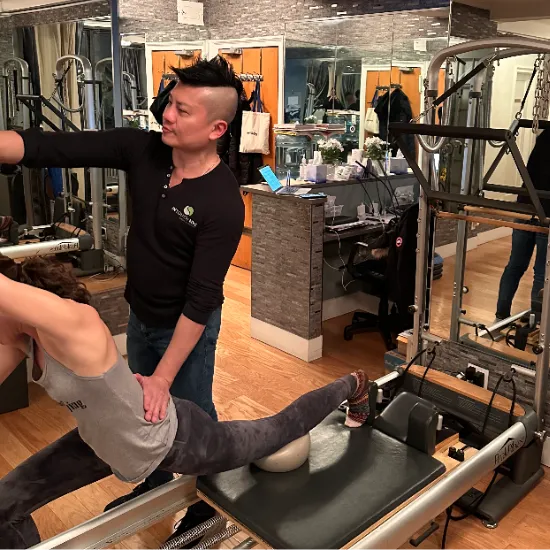
Keith Chan is a New York State licensed physical therapist who provides care through individual evaluation, treatment, and follow-up. He has more than 10 years of clinical experience, a Master’s degree in Physical Therapy from CUNY Hunter College, and a background in movement-based rehab, Pilates-based exercise, and soft-tissue work when appropriate.
Request An Appointment
Why Choose ITNYCPT for Pelvic Health Care?
ITNYCPT is one of the pelvic floor clinics in NY focused on individualized care. Visits take place in a private treatment room with a licensed clinician, and each session is built around your symptoms, movement patterns, and goals. One-on-one sessions are available on request.
For many patients, the main issue is not the discomfort itself. It’s how symptoms affect work, exercise, sleep, bathroom habits, sexual function, and quality of life.
Care addresses muscles, joints, soft tissues, breathing patterns, and movement habits that may be feeding your symptoms. This approach suits people who want a direct, individualized plan in New York City.
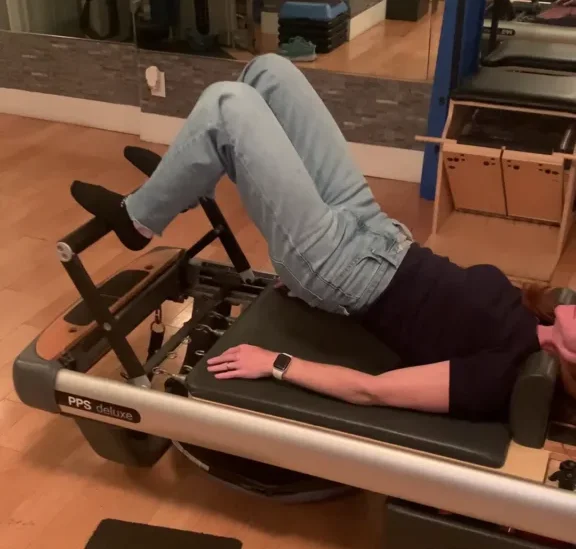

Treatment may include manual therapy, therapeutic exercise, Pilates-based exercise, home exercise guidance, and other pelvic floor physical therapy techniques based on your presentation.
When soft-tissue restrictions are part of the picture, care may also include the Graston Technique or trigger-point work. The goal is a structured plan that supports progress over time, not short-term symptom masking.
Conditions and Symptoms Treated
The pelvic floor is a group of muscles that supports bladder and bowel function, core stability, and sexual function. Many patients researching pelvic floor dysfunction NYC symptoms start here before their first visit; for more detail, see this pelvic floor dysfunction guide.
Patients often search for pelvic pain and dysfunction Midtown care before their first visit. Symptoms can appear in several ways when these muscles are too tight, too weak, poorly coordinated, or not responding well to load:
- Pelvic pain in the hips, groin, tailbone, or lower abdomen
- Urinary symptoms including urgency, frequency, leakage, trouble emptying, and female incontinence treatment in midtown manhattan options
- Sexual dysfunction, including discomfort with intercourse or changes in function
- Constipation, straining, or incomplete bowel emptying
- Pelvic organ prolapse symptoms, including heaviness or symptoms that lead patients to search for pelvic pressure treatment in NYC options
- Postpartum changes, including abdominal separation or weakness through the trunk
- Men’s pelvic health concerns, including erectile dysfunction and recovery after prostate surgery
- Endometriosis-related discomfort and the muscle guarding that often accompanies it
- Symptoms that worsen with exercise, sitting, lifting, or a return to training
- Low back, hip, or core problems connected to pelvic floor dysfunction
We treat both men and women. Pelvic health is not a women’s-only concern; men experience pelvic pain, urinary symptoms, and post-surgical complications just as women do.
Patients searching for pelvic pain treatment options in Manhattan travel here from Midtown East, Tudor City, Murray Hill, and the Upper East Side.
Serving Midtown and Nearby NYC Neighborhoods
ITNYCPT’s Midtown location on W 56th Street draws patients from across the surrounding area. Searches for Manhattan Midtown East pelvic health, pelvic floor physical therapy in Tudor City, and pelvic floor physical therapy on the Upper East Side are common among people looking for care close to home.
The Midtown office is a short trip from all three neighborhoods, and many patients travel here specifically for pelvic floor care rather than searching within their own neighborhood.
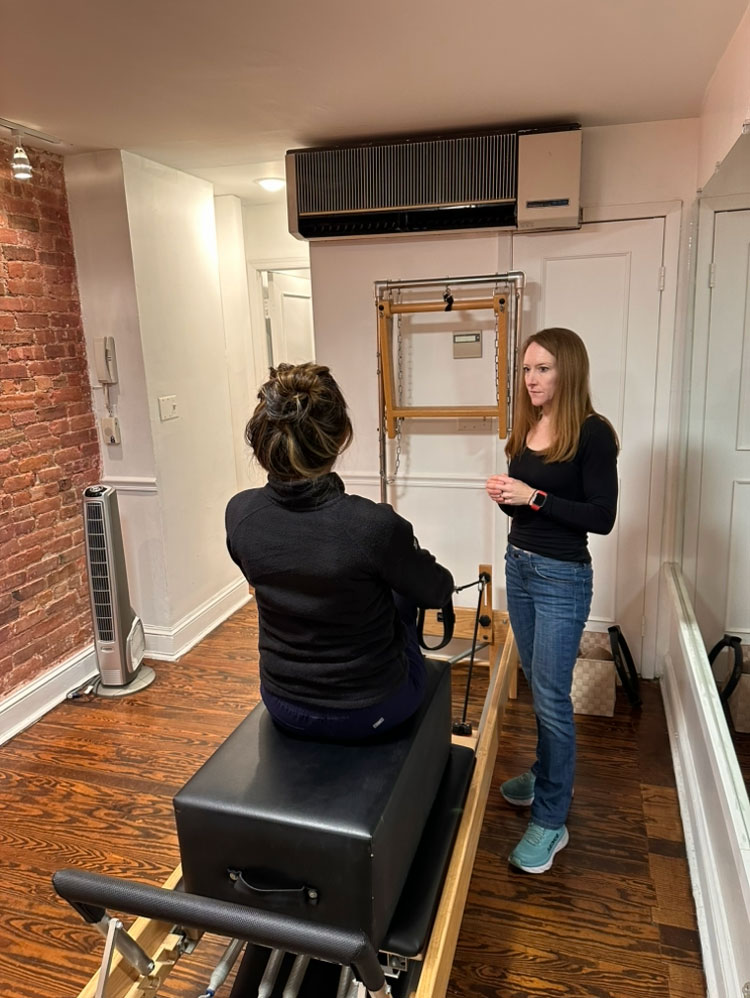
What Happens at Your First Visitfor Pelvic
Your first appointment starts with a detailed conversation about symptoms, medical history, activity level, past treatment, and goals. Expect questions about bladder, bowel, and sexual function. They ask because your answers change the plan.
The evaluation then covers movement assessment, strength and mobility testing, and clinical reasoning about what may be driving your symptoms. The evaluation starts with an external assessment of the abdomen, low back, hips, posture, and breathing.
After the evaluation, you receive an individualized plan based on the findings. That plan may include therapeutic exercise, breathing and coordination work, hands-on treatment, mobility work, Pilates-based exercise, and a home program.
Internal Assessment and Consent
An internal assessment is one possible component of a pelvic evaluation. It is not a requirement, and it is not the default.
If clinically indicated, we will explain it fully before anything happens, including what it involves and why it might help. It proceeds only with your consent.
You can decline. Treatment continues with external assessment and external techniques instead, and declining will not limit the care you receive. Let your therapist know what you are and are not comfortable with; nothing happens without your agreement.
Wear comfortable clothing you can move in; bring your insurance card, a list of medications, and any relevant reports from your physician, urologist, or gynecologist.

Are Kegels the Answer?
Often, no. Kegels strengthen, and strengthening is the wrong prescription for an already overactive pelvic floor.
An overactive pelvic floor is tight and struggles to release. Squeezing it further tends to increase discomfort, not reduce it. A weak pelvic floor is a different problem that needs a different plan.
The two feel similar from the inside and cannot be told apart from symptoms alone. That is what the evaluation is for, and it is why we build a plan after assessment rather than handing one out before it.
| Overactive (Too Tight) | Underactive (Too Weak) | |
|---|---|---|
| Common symptoms | Discomfort with sitting or intercourse, urgency, incomplete emptying, tailbone soreness | Leakage with coughing or lifting, heaviness, reduced sensation |
| Response to Kegels | Symptoms often worsen | May help once coordination is established |
| Treatment focus | Downtraining, breathing, soft-tissue release, mobility | Graded strengthening, coordination, load tolerance |
| How it is identified | Clinical evaluation. Symptoms alone do not distinguish the two. | |
If Kegels have worsened your symptoms, that is useful clinical information. Bring it up at the first visit.
Pregnancy and Postpartum Recovery
Pregnancy loads the pelvic floor in ways that do not fully resolve on their own. Hormonal changes soften supporting tissue while the growing uterus adds steady downward pressure.
Care during pregnancy can address low back and pelvic girdle discomfort, positioning, and breathing mechanics. Postpartum work often focuses on abdominal separation, leakage, scar mobility after a cesarean, and a graded return to exercise.
There is no fixed window to start. Some patients come in during the second trimester; others come in months after delivery. Both are reasonable.
How Progress Is Measured Over Time
Timelines vary; some patients notice early changes in discomfort, mobility, or urinary function within a few visits. Others need longer, because symptoms have been present for years or involve several contributing factors.
A common starting frequency is 1 to 2 visits per week for 6 to 12 weeks, though this depends on what is being treated and on your schedule. As symptoms improve, visits usually space out while home work carries more of the load.
Progress depends on severity, consistency with visits and home exercises, general health, stress, and activity demands. The aim is lasting function, not temporary relief.
Reassessment is built into care, so the plan changes as your symptoms, workload, and function change.
Insurance, Pricing, and Payment
A pelvic floor session at ITNYCPT is $180. Standard physical therapy, sports rehab, cupping, acupuncture, and fall prevention are $120 per session. Sessions run 30 to 45 minutes.
| Service | Rate Per Session | Typical Length |
|---|---|---|
| Pelvic Floor Therapy | $180 | 30 to 45 min |
| Physical Therapy | $120 | 30 to 45 min |
| Sports Rehabilitation | $120 | 30 to 45 min |
| Clinical Pilates | $120 | 30 to 45 min |
| Cupping and Acupuncture | $120 | 30 to 45 min |
| Fall Prevention | $120 | 30 to 45 min |
Many people searching for pelvic floor doctor in New York options aren’t sure whether they need to see a physician first; a licensed physical therapist can typically evaluate and treat directly. ITNYCPT accepts most major plans.
For plan-specific details while we finalize that list, see the coverage guides for Aetna, Cigna, United Healthcare, Blue Cross Blue Shield, and Medicare. Call the front desk with your plan details, and we’ll confirm coverage before your first visit.
Worth asking about ahead of time: your deductible status, visit limits per calendar year, per-visit copay, and whether you need a referral for physical therapy under your plan. New York allows direct access to physical therapy: up to 10 visits or 30 days without a referral, whichever comes first, per New York State Education Department guidance. Some insurance plans still require a referral for reimbursement even when the law doesn’t, so confirm with your carrier before booking.
Common Questions
- Do I need a doctor’s referral first? Not always. New York’s 10-visit/30-day direct access law lets you start without one, though some insurance plans still require a referral for reimbursement.
- Is an internal exam required? No. It may be part of the assessment, and we explain it beforehand; it requires your consent. You can decline and still receive treatment.
- Do men get pelvic floor treatment here? Yes. Conditions treated include pelvic discomfort, bowel and bladder dysfunction, erectile dysfunction, and rehabilitation after prostate surgery.
- How many visits will I need? Most plans start at 1 to 2 visits per week and run 6 to 12 weeks, then taper. Longstanding or multi-factor cases take longer.
- Are Kegels part of treatment? Sometimes, and sometimes they are the wrong choice entirely. An overactive pelvic floor usually gets worse with strengthening work. The evaluation determines which applies to you.
- Can I be treated while pregnant? Yes. Care during pregnancy is common and is adjusted by trimester and by symptoms.
- What should I bring? Comfortable clothing, your insurance card, a medication list, and any reports from your physician. If you have tracked symptoms, bring that too.
EXCELLENTTrustindex verifies that the original source of the review is Google. Very friendly service and excellent quality of care, would wholeheartedly recommend to anyone looking for a physiotherapist!Posted on GoogleTrustindex verifies that the original source of the review is Google. Great 1:1 attention. Very accommodating!Posted on GoogleTrustindex verifies that the original source of the review is Google. Beth is absolutely wonderful… Always feel that I get such personal time and understanding at each visit. She asks me each time what my needs are. It’s wonderful to work with a caring physical therapist.. Thank youPosted on GoogleTrustindex verifies that the original source of the review is Google. Helped me so much with my body pain and improved my strength so much!Posted on GoogleTrustindex verifies that the original source of the review is Google. I have been visiting Keith for a month now and my experience has been nothing short of great. I had multiple issues to address and in each session we continue to work on it bit by bit. I am already noticing improvement in my strength, posture and endurance. Thanks Keith!!Posted on GoogleTrustindex verifies that the original source of the review is Google. Keith is an awesome physical therapist and human being! He's been taking care of me for a few months now and I've been looking forward to my appointments. I have shown clear progress in my strength rehabilitation, and Keith does an excellent job explaining my exercises, calling out what needs to be done, ensuring progress is made for me, and being a great person to be around.Posted on GoogleTrustindex verifies that the original source of the review is Google. Pilates physical therapy has greatly reduced my migraines and other chronic issues - I highly recommend In Touch NYC.Posted on GoogleTrustindex verifies that the original source of the review is Google. Had an excellent experience at this physical therapy practice. From the start, the team was attentive, professional, and genuinely focused on my recovery. They took the time to listen to my concerns and tailored a treatment plan that felt thoughtful and effective. I’m grateful for their expertise and dedication. Highly recommend to anyone looking for knowledgeable, compassionate, and results-driven care.Posted on GoogleTrustindex verifies that the original source of the review is Google. Keith has been taken care of me for years, couldn’t recommend highly enough. Individual attention, finds and fixes issues. One of one.Posted on GoogleTrustindex verifies that the original source of the review is Google. Keith is great! The 1:1 sessions have been extremely helpful, and Keith is very knowledgeable and puts great effort into tending to all his patients.
What Happens at Your First Visit?
Your first appointment starts with a detailed conversation about symptoms, medical history, activity level, past treatment, and goals. Expect questions about bladder, bowel, and sexual function. They ask because your answers change the plan.
The evaluation then covers movement assessment, strength and mobility testing, and clinical reasoning about what may be driving your symptoms. The evaluation starts with an external assessment of the abdomen, low back, hips, posture, and breathing.
After the evaluation, you receive an individualized plan based on the findings. That plan may include therapeutic exercise, breathing and coordination work, hands-on treatment, mobility work, Pilates-based exercise, and a home program.
Internal Assessment and Consent
An internal assessment is one possible component of a pelvic evaluation. It is not a requirement, and it is not the default.
If clinically indicated, we will explain it fully before anything happens, including what it involves and why it might help. It proceeds only with your consent.
You can decline. Treatment continues with external assessment and external techniques instead, and declining will not limit the care you receive. Let your therapist know what you are and are not comfortable with; nothing happens without your agreement.
Wear comfortable clothing you can move in; bring your insurance card, a list of medications, and any relevant reports from your physician, urologist, or gynecologist.
Your care includes:

Full evaluation and goal setting

Individualized treatment plan with phased rehabilitation programs

Progress tracking and regular reassessment
98%
Are Kegels the Answer??
Often, no. Kegels strengthen, and strengthening is the wrong prescription for an already overactive pelvic floor.
An overactive pelvic floor is tight and struggles to release. Squeezing it further tends to increase discomfort, not reduce it. A weak pelvic floor is a different problem that needs a different plan.
The two feel similar from the inside and cannot be told apart from symptoms alone. That is what the evaluation is for, and it is why we build a plan after assessment rather than handing one out before it.
| Overactive (Too Tight) | Underactive (Too Weak) | |
|---|---|---|
| Common symptoms | Discomfort with sitting or intercourse, urgency, incomplete emptying, tailbone soreness | Leakage with coughing or lifting, heaviness, reduced sensation |
| Response to Kegels | Symptoms often worsen | May help once coordination is established |
| Treatment focus | Downtraining, breathing, soft-tissue release, mobility | Graded strengthening, coordination, load tolerance |
| How it is identified | Clinical evaluation. Symptoms alone do not distinguish the two. | |
If Kegels have made your symptoms worse, that is useful clinical information. Bring it up at the first visit.
Pregnancy and the Postpartum Recovery??
Pregnancy loads the pelvic floor in ways that do not fully resolve on their own. Hormonal changes soften supporting tissue while the growing uterus adds steady downward pressure.
Care during pregnancy can address low back and pelvic girdle discomfort, positioning, and breathing mechanics. Postpartum work often focuses on abdominal separation, leakage, scar mobility after a cesarean, and a graded return to exercise.
There is no fixed window to start. Some patients come in during the second trimester; others come in months after delivery. Both are reasonable.
How Progress Is Measured Over Time
Timelines vary; some patients notice early changes in discomfort, mobility, or urinary function within a few visits. Others need longer, because symptoms have been present for years or involve several contributing factors.
A common starting frequency is 1 to 2 visits per week for 6 to 12 weeks, though this depends on what is being treated and on your schedule. As symptoms improve, visits usually space out while home work carries more of the load.
Progress depends on severity, consistency with visits and home exercises, general health, stress, and activity demands. The aim is lasting function, not temporary relief.
Reassessment is built into care, so the plan changes as your symptoms, workload, and function change.


5-STAR GOOGLE RATING
We are proud to have a 5-star Google rating! This demonstrates our commitment to excellent service and hopefully builds trust with new customers!

Over 50 5-star google reviews
We are grateful for our more than 50 5-star Google reviews! We strive to continue delivering 5-star service at all of our locations!
Insurance, Pricing, and Payment
A pelvic floor session at ITNYCPT is $180. Standard physical therapy, sports rehab, cupping, acupuncture, and fall prevention are $120 per session. Sessions run 30 to 45 minutes.
| Service | Rate Per Session | Typical Length |
|---|---|---|
| Pelvic Floor Therapy | $180 | 30 to 45 min |
| Physical Therapy | $120 | 30 to 45 min |
| Sports Rehabilitation | $120 | 30 to 45 min |
| Clinical Pilates | $120 | 30 to 45 min |
| Cupping and Acupuncture | $120 | 30 to 45 min |
| Fall Prevention | $120 | 30 to 45 min |
Many people searching for pelvic floor doctor in New York options aren’t sure whether they need to see a physician first; a licensed physical therapist can typically evaluate and treat directly. ITNYCPT accepts most major plans.
For plan-specific details while that list is finalized, see the coverage guides for Aetna, Cigna, United Healthcare, Blue Cross Blue Shield, and Medicare. Call the front desk with your plan details, and we’ll confirm coverage before your first visit.
Worth asking about ahead of time: your deductible status, visit limits per calendar year, per-visit copay, and whether you need a referral for physical therapy under your plan. New York allows direct access to physical therapy: up to 10 visits or 30 days without a referral, whichever comes first, per New York State Education Department guidance. Some insurance plans still require a referral for reimbursement even when the law doesn’t, so confirm with your carrier before booking.
Common Questions
- Do I need a doctor’s referral first? Not always. New York’s 10-visit/30-day direct access law lets you start without one, though some insurance plans still require a referral for reimbursement.
- Is an internal exam required? No. It may be part of the assessment, explained beforehand, and it requires your consent. You can decline and still receive treatment.
- Do men get pelvic floor treatment here? Yes. Conditions treated include pelvic discomfort, bowel and bladder dysfunction, erectile dysfunction, and rehabilitation after prostate surgery.
- How many visits will I need? Most plans start at 1 to 2 visits per week and run 6 to 12 weeks, then taper. Longstanding or multi-factor cases take longer.
- Are Kegels part of treatment? Sometimes, and sometimes they are the wrong choice entirely. An overactive pelvic floor usually gets worse with strengthening work. The evaluation determines which applies to you.
- Can I be treated while pregnant? Yes. Care during pregnancy is common and is adjusted by trimester and by symptoms.
- What should I bring? Comfortable clothing, your insurance card, a medication list, and any reports from your physician. If you have tracked symptoms, bring that too.
PATIENT EXPERIENCE

SCHEDULE
Your Evaluation
If you are looking for pelvic floor rehab in Midtown NYC, ITNYCPT offers a clear path to get started. ITNYCPT serves patients throughout Midtown Manhattan and the surrounding neighborhoods who want focused care for pelvic health concerns affecting comfort, movement, and daily function.
You can book a visit to discuss your symptoms, ask practical questions, and decide whether this approach fits your needs.
Contact ITNYCPT to get started.
Contact ITNYCPT to get started with pelvic floor physical therapy.