

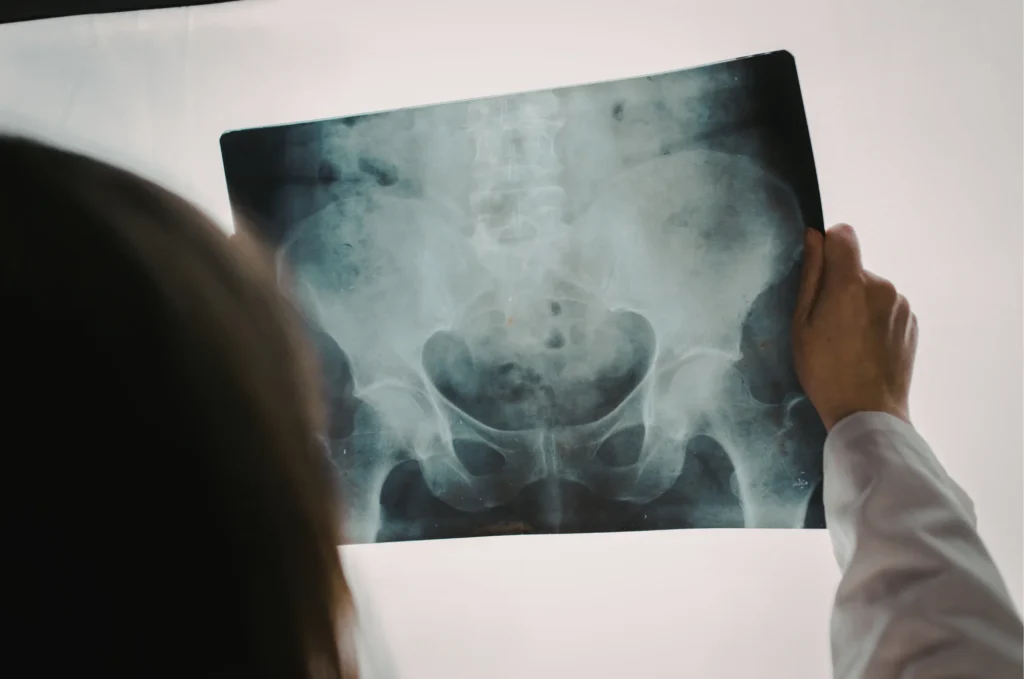
It also helps after prostate surgery, with chronic pelvic pain syndrome, and when these muscles interfere with daily comfort. Most patients begin with an evaluation, then follow a plan built around breathing, manual work, and graded exercise.
For a broader overview, this pelvic floor dysfunction guide explains how these symptoms develop and why they often affect more than one function at a time.
At ITNYCPT, Keith Chan is a New York State licensed physical therapist with more than ten years of clinical experience. “The most common assumption I correct is that weakness is the problem,” Chan says. “Many of the male patients I evaluate have muscles that will not relax, not muscles that cannot contract. Those two patterns need opposite treatment in the first few weeks.”
Key Takeaways
- Male pelvic floor therapy can help with discomfort, bladder and bowel symptoms, sexual dysfunction, and movement limits tied to the muscles supporting the pelvis.
- Symptoms do not always mean weakness. Some patients have tight, overactive muscles; others lack support, coordination, or control.
- A proper evaluation looks beyond the pelvis. It may cover symptom history, breathing, movement, posture, and muscle testing to identify the driver.
- Treatment often includes breathing work, manual therapy, biofeedback, targeted exercise, and a home program matched to the recovery phase.
- Recovery time varies with the cause, symptom duration, health factors, and consistency. Post-prostatectomy cases and chronic pelvic pain syndrome follow different timelines.
What Are the Signs and Symptoms in Men?
Problems in this muscle group can affect urination, bowel movements, comfort levels, and sexual health. Some patients notice pressure, aching, constipation, or discomfort with sitting and exercise. Others report a start-stop urine stream or urgency that pulls them to the bathroom every 20 minutes.
Symptoms may also appear as erectile dysfunction, painful ejaculation, or changes in bowel and sexual function. Discomfort can settle in the perineum, testicles, groin, rectum, or tailbone rather than the abdomen. These men’s pelvic health symptoms overlap with other conditions, so evaluation matters before treatment starts.
Weak muscles and tight muscles are different problems. One patient may lack support and control; another may carry too much tension and be unable to relax. Both patterns affect blood flow, muscle contractions, and sexual activity. Symptoms alone do not reveal the cause.
What Causes Pelvic Floor Dysfunction in Men?
The disorders male patients deal with can start for several reasons. Common causes include prostate surgery, straining, heavy lifting, stress, injury, or problems involving the low back, hips, or sacroiliac joint. In post-operative cases, structured post-surgery rehabilitation exercises may be part of recovery, depending on the stage of healing.
This muscle group works with the abdomen, diaphragm, and trunk, so poor coordination inside that system can contribute. Age, obesity, chronic coughing, and long-term constipation add load over time. That is one reason symptoms can cross more than one body system at once.
Not every case starts with a clear injury. Some patients develop chronic pelvic pain syndrome gradually, with stress, sleep, workload, and pain sensitivity all playing a part. Others notice symptoms after surgery or after repeated strain during work, exercise, or a bowel movement.
“A patient with chronic hip or low back trouble will often clench the pelvic muscles to guard the painful area without knowing it,” Chan says. “Months later, the original complaint is gone, but the guarding pattern stays, and now the symptoms are urinary.” These patterns lower quality of life even when scans and lab work show nothing.
Which Diagnoses Does Pelvic Rehab Address?
Several named conditions bring male patients into rehab. Understanding which one applies changes the treatment plan, so a medical diagnosis usually comes first. The pelvic pain condition page covers how ITNYCPT approaches these cases clinically.
Chronic Prostatitis and Chronic Pelvic Pain Syndrome
Prostatitis is inflammation of the prostate and, according to the National Institute of Diabetes and Digestive and Kidney Diseases, the most common urinary tract problem in men under 50{rel=”nofollow”}. The non-bacterial form, chronic prostatitis or chronic pelvic pain syndrome, accounts for 90 to 95 percent of prostatitis diagnoses{rel=”nofollow”}, according to a review published by the National Library of Medicine.
Because no infection is present in these cases, antibiotics often fail. Muscle tension, guarding, and nerve sensitivity frequently drive the symptoms instead, which is why physical therapy for chronic pelvic pain plays a role once infection has been ruled out.
Pudendal Neuralgia
The pudendal nerve travels between the muscles at the base of the pelvis. When those muscles hold excess tension, the nerve can become irritated, producing burning, numbness, or sharp discomfort in the perineum or genitals.
Sitting intolerance is the signature complaint. Symptoms typically worsen through a long drive or workday and ease when standing or lying down. Treatment focuses on reducing tension and restoring mobility rather than adding strength.
Post-Prostatectomy Urinary Incontinence
Leakage after prostate removal is common in the early months and usually improves as control returns. Incontinence physical therapy is standard care here, and it works better when you practice timing and support during real tasks: standing, coughing, lifting, and walking.
This is one of the few situations where strengthening is the primary goal from the start. Even so, the ability to fully relax between contractions still matters.
Male Pelvic Floor Therapy: What to Expect at the First Visit?
A first visit starts with history, symptom review, and goals. A clinician may ask about discomfort, bathroom habits, sexual health, exercise, and past surgery or injury. The exam often includes a movement screen, breathing review, and testing of the hips, trunk, and related muscles to show how the full system behaves.
Men’s pelvic floor physical therapy exams may also assess posture, mobility, strength, and control. In some cases, an internal exam may be discussed if it suits the symptoms and the patient agrees. That exam is often done rectally and can assess muscle tone, tenderness, coordination, and the ability to relax or contract on cue.
The process should be explained clearly so the patient knows what is being checked and why. Nothing proceeds without consent, and the exam can be deferred or skipped when a patient prefers.
The plan of care is adjusted through follow-up and reassessment, and it can shift as symptoms change. Clear goal setting keeps rehab aligned with daily demands and supports a return to activity.
Treatment of Pelvic Floor Dysfunction in Men
Pelvic floor therapy for men depends on whether the main problem is discomfort, weakness, poor coordination, or difficulty relaxing. Care may include education, breathing work, manual therapy, and targeted exercise. This overview of pelvic floor PT tools and techniques explains how those methods are applied in practice.
Biofeedback is common in this setting. Surface sensors display muscle activity on a screen in real time, showing the patient whether the muscle is contracting, relaxing, or doing the opposite of what was intended. For patients who cannot feel the difference, that visual signal shortens the learning curve considerably.
Pilates-based exercise may also build core strength, control, and mobility. Pelvic PT for men usually shifts across phases as symptoms and function change.
Common treatment elements may include:
- Breathing and pressure control
- Muscle exercises with biofeedback
- Hip and trunk strengthening
- Bladder and bowel habit training
- Home program carryover
Patients with leakage after surgery often need more work on timing, support, and repeated contractions during daily tasks. Patients with discomfort frequently need the opposite at first: relaxation, downtraining, mobility, and less guarding.
Manual therapy helps when soft tissue irritation, guarding, or stiffness is part of the picture. Some clinicians use the Graston Technique when soft tissue work is indicated.
Medicine may be discussed in some cases, but it does not replace rehab that improves movement, coordination, and muscle function. A prescription may reduce symptoms without teaching better control. Treatment works best when the medical plan and the rehab plan target the same problem.
Which Exercises Help the Male Pelvic Floor?
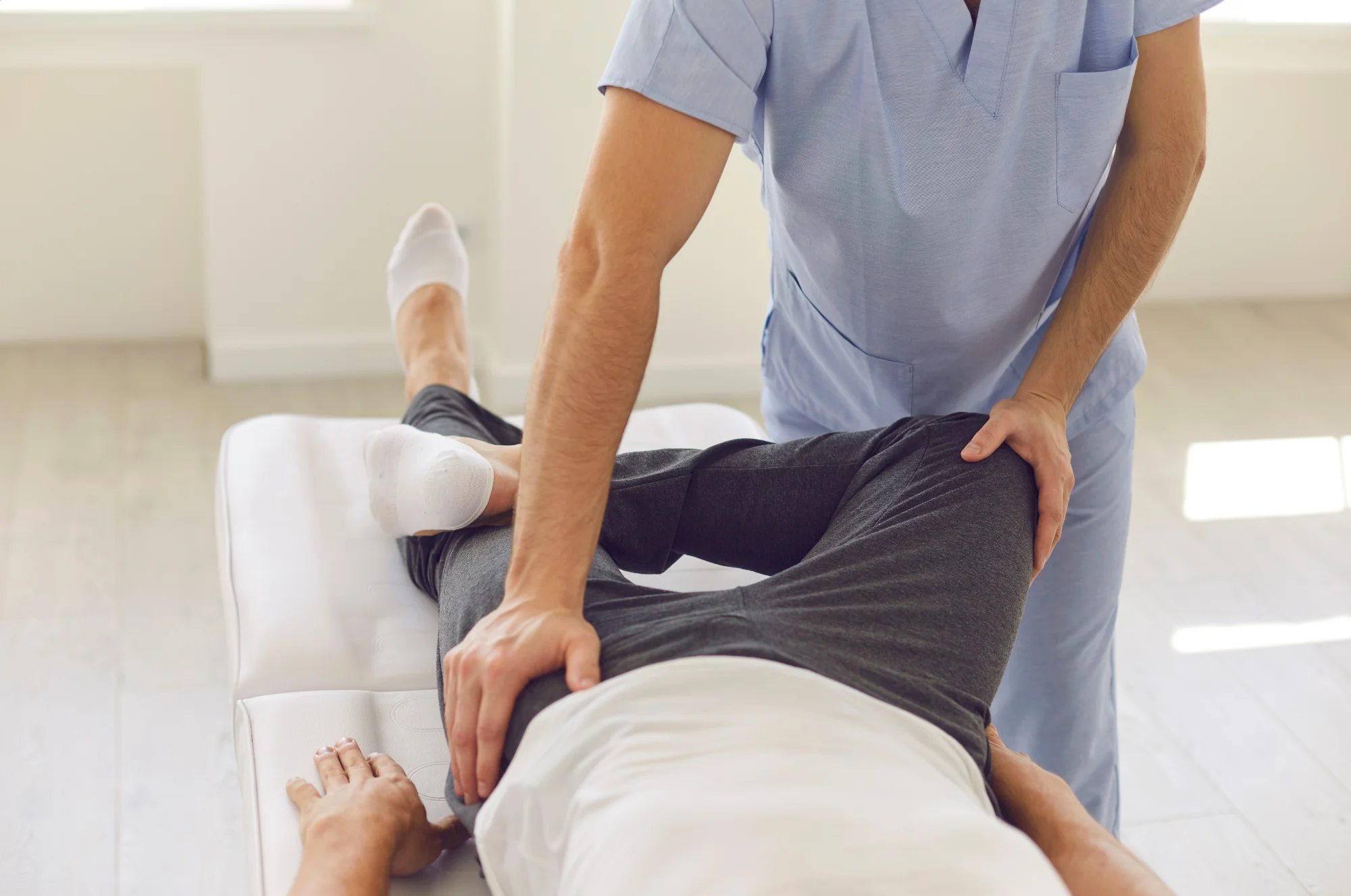
Many patients ask whether Kegels are enough. Sometimes they help; often other work is needed first. Male pelvic floor physical therapy exercises may include strengthening, relaxation, or coordination drills depending on exam findings.
Kegels are controlled contractions, and longer holds are not always better. Some patients need to learn to release before adding force. Others need better timing during a cough, a lift, or a change of position.
“When a patient with tension-driven symptoms does 100 Kegels a day, symptoms usually get worse, not better,” Chan says. “The muscle is already working too hard. Adding contractions to an overactive muscle is like stretching a cramp by squeezing it.”
Early rehab often centers on breath work and control, while later phases add strength and endurance. The pelvic floor physical therapy men receive in week two rarely resembles what they do in week ten.
Pelvic Floor Physical Therapy for Men at Home
A home program supports progress when it stays simple and specific. Homework may include breathing drills, gentle mobility, toilet habit changes, and a few focused movements. Random online routines can worsen symptoms when they do not match the actual problem.
Carryover between visits matters because progress depends on repetition. Still, more is not better. Some patients complete too many contractions and become more tense or sore. Home programs are one part of pelvic floor PT for men, not a replacement for in-clinic reassessment. A good plan gets adjusted at the next visit if a task still feels wrong, not left unchanged for months.
How Long Does Recovery Take?
Recovery varies. Some patients improve in weeks; others need months of steady work. Progress depends on the cause, symptom duration, health history, consistency, sleep, stress, and job or activity demands. Good rehab usually brings gradual improvement rather than a quick fix.
Patients recovering from prostate surgery often notice steady gains across several weeks to a few months, particularly when training begins early and stays consistent.
Chronic pelvic pain syndrome tends to take longer and may improve over several months, since symptoms can involve muscle tension, stress response, and nervous system sensitivity. Recovery is rarely a straight line, so reassessment guides the process. Realistic expectations make it easier to follow.
Common Misunderstandings About Men’s Pelvic Health
A frequent myth is that this care is only for women. Men’s pelvic floor therapy addresses pelvic discomfort, bowel symptoms, and sexual health concerns just as it does for women. Another myth is that every case needs strengthening. Some patients improve faster by reducing tension and rebuilding coordination first.
It is also a mistake to assume symptoms come from one weak muscle. Breathing, posture, hip motion, and trunk control all feed into this system, so when one part is off, the whole pattern can change. Good rehab looks at the larger movement picture.
Where This Fits in Men’s Health Physical Therapy
Pelvic work is one part of men’s health physical therapy, which also covers post-surgical recovery, core and hip function, and return to training. Symptoms often cross these categories, so an evaluation may examine more than the pelvis alone. That wider view helps explain why two patients with similar complaints receive different plans.
When to Seek Medical Care
Seek care promptly for fever, blood in urine, sudden severe pain, loss of bladder or bowel control, or numbness in the groin. These signs may point to a condition that needs urgent evaluation.
Ongoing symptoms after surgery, or major changes in bowel or bladder function, also deserve review before rehab continues. Rehab helps, but the right diagnosis comes first.
How to Choose a Provider
Not every outpatient clinic evaluates this muscle group, so ask directly whether a practice treats male patients for pelvic complaints and how often. Useful questions cover internal exam options, biofeedback availability, and whether the clinician has post-graduate training in pelvic health.
In New York, male pelvic floor therapy NYC patients can access includes care at ITNYCPT’s pelvic floor therapy Midtown location, where evaluations are performed by New York State licensed physical therapists. Patients searching for male pelvic pain relief in NYC clinics should confirm that the practice evaluates men specifically, since many pelvic programs are built primarily around obstetric care.
Frequently Asked Questions
Is a Physician Referral Required?
Not in most cases. According to the American Physical Therapy Association, patients in all 50 states, the District of Columbia, and the U.S. Virgin Islands have provisional or unrestricted direct access{rel=”nofollow”} to physical therapist evaluation and treatment. Provisions differ by state, and insurance plans may still require a referral for payment even where state law does not.
What Happens During the First Session?
The first session is mostly history, questions, and assessment. A clinician reviews symptoms, surgical history, bathroom and sexual function, and activity demands, then screens breathing, posture, hip mobility, and trunk control. A clinician may discuss an internal exam, but it is not automatic and requires consent. Most patients leave with one or two starting exercises rather than a full program.
Does Pelvic Rehab Help Erectile Dysfunction?
It can help in some cases. Muscle tension, poor blood flow, and coordination problems in the pelvic region contribute to erectile difficulty for some patients, and addressing those factors may improve function. Erectile dysfunction also has vascular, hormonal, neurological, and medication-related causes, so a medical workup should run alongside rehab rather than after it.
Can Rehab Help Prostatitis?
When the diagnosis is chronic prostatitis or chronic pelvic pain syndrome without active infection, muscle-directed treatment is a recognized part of care. Bacterial prostatitis needs medical treatment first. This distinction matters, since patients who cycle through repeated antibiotic courses without relief are often dealing with a muscular and neural problem rather than an infectious one.
What Is Biofeedback and Is It Uncomfortable?
Biofeedback uses sensors to display muscle activity on a screen so a patient can see what the muscle is actually doing. Surface electrodes placed externally are typical and are not painful. The purpose is learning, not treatment in itself: the display makes it obvious when a contraction is happening and when a muscle has failed to release.
How Many Sessions Are Typically Needed?
The range is wide. Post-surgical cases often follow a course of several weeks to a few months, while long-standing chronic pelvic pain syndrome may take several months. Frequency usually starts higher and tapers as a patient takes over more of the program independently. Reassessment at regular intervals is what determines the actual number.
Does Insurance cover Treatment?
Coverage varies by plan and by diagnosis. Many plans cover outpatient rehab for these conditions, though deductibles, visit limits, and prior authorization rules differ, and coverage such as Medicare’s pelvic floor therapy benefits follows its own rules. ITNYCPT accepts a range of insurance plans, and patients should confirm benefits and any referral requirements with both the clinic and the carrier before the first visit.
Do Symptoms Return After Treatment Ends?
Symptoms can return, particularly when the original contributors persist. Stress, prolonged sitting, heavy lifting technique, constipation, and untreated hip or low back problems are common triggers for recurrence. Most patients keep a short maintenance routine and return for a check-in if symptoms resurface, which is usually shorter than a full course of care.