

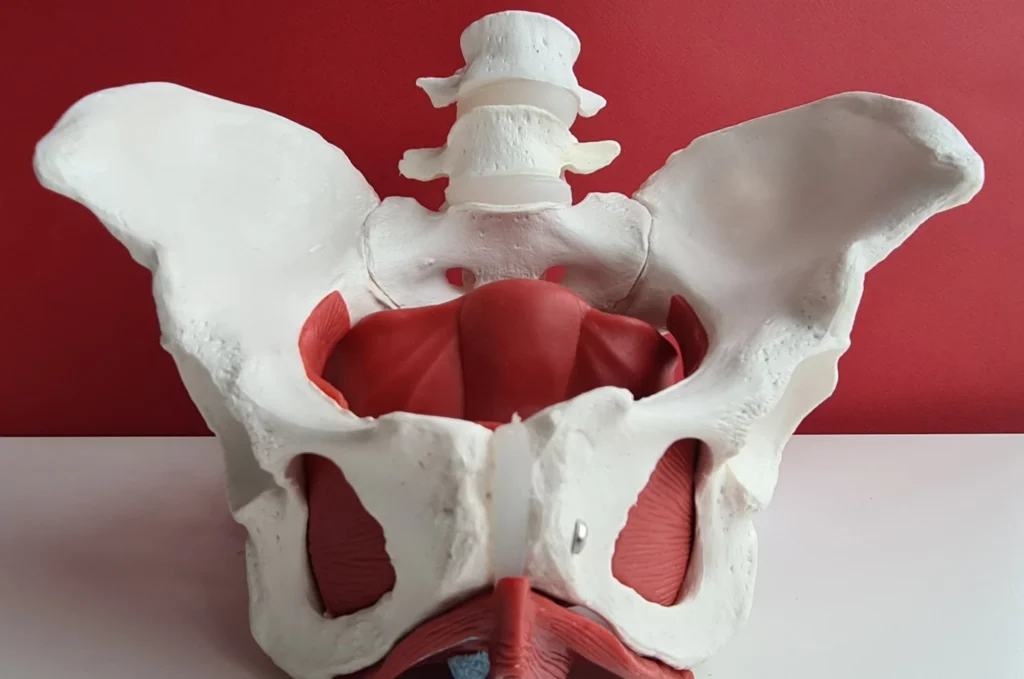
Chronic pelvic pain is pain in the lower abdomen, pelvis, or perineum that lasts more than six months. It affects both men and women, though it is more common in women. Many people wait years to find the right treatment because many do not know pelvic pain can be helped by physical therapy.
Keith Chan, a New York State-licensed physical therapist at ITNYCPT, works with patients with a range of pelvic floor conditions.
This guide explains pelvic floor physical therapy, who it helps, and what to expect in exams and treatment.
Key Takeaways
- Pelvic floor physical therapy treats the muscles, joints, and nerves of the pelvic region. It is appropriate for both men and women across a wide range of conditions, including chronic pelvic pain, urinary dysfunction, painful sex, and post-surgical recovery.
- Not all pelvic pain comes from a weak pelvic floor. Many patients have overactive or hypertonic muscles, which means Kegel exercises can worsen symptoms rather than help.
- A thorough initial assessment, which may include an internal pelvic floor evaluation, determines whether treatment focuses on strengthening, relaxation, or coordination, and this finding shapes the entire plan of care.
- Most patients begin to notice improvement within four to eight weeks, though a full course of treatment typically spans eight to sixteen weeks and varies based on how long pain has been present and how many factors are involved.
- Coverage for pelvic floor PT varies by insurance plan. Patients paying out of pocket in New York City can expect to pay between $120 and $180 per session depending on the provider and session type.
What Is Pelvic Floor Physical Therapy?
The pelvic floor is a group of muscles at the base of the pelvis that support the bladder, bowel, and reproductive organs. When these muscles get too tight, too weak, or uncoordinated, it can cause pelvic pain. It can also cause urinary problems, bowel issues, or pain during sex.
Pelvic floor physical therapy evaluates and treats problems in the pelvic floor muscles and the surrounding joints and tissues.
Pelvic pain therapy uses hands-on treatment, exercise, and education to address these physical causes.
How It Differs from General Physical Therapy
General physical therapy treats muscle and joint problems throughout the body. Pelvic floor PT focuses on the muscles, nerves, and joints of the pelvic region and requires specialized training beyond a standard PT license.
This includes learning to assess internal pelvic floor muscle function, which is outside the scope of general practice. Not all physical therapists offer this type of care, so it is worth confirming when scheduling.
Who Can Benefit from Pelvic Floor PT
Pelvic floor PT is appropriate for people of all genders and ages. Good candidates include those with chronic pelvic pain, urinary or bowel symptoms, pain during sex, postpartum recovery needs, or pain after pelvic surgery. A doctor’s referral is not always needed, though some insurance plans require one.
What Can Cause Chronic Pelvic Pain?
Chronic pelvic pain rarely has one single cause. Most of the time, several factors are involved at once, which is part of what makes diagnosis difficult. Finding those factors is a central goal of the physical therapy assessment.
Musculoskeletal and Nerve-Related Causes
Tight, weak, or unbalanced pelvic floor muscles are among the most common causes of pelvic pain. Trigger points, which are knots of tension that send pain to nearby areas, are frequently found during assessment. A patient may feel pain in the lower abdomen while the actual source is a trigger point in the pelvic floor or hip.
Nerve irritation such as pudendal neuralgia can also cause pain, burning, or numbness in the pelvic area.
Conditions Like Endometriosis and Interstitial Cystitis
Endometriosis occurs when tissue like the uterine lining grows outside the uterus, causing pain that often worsens during menstruation. Interstitial cystitis causes bladder pressure and urinary urgency without signs of infection. Pelvic inflammatory disease, irritable bowel syndrome, and pelvic organ prolapse can also contribute.
Physical therapy does not treat these conditions directly but addresses the muscle tightness and movement problems that develop alongside them.
Post-Surgical and Postpartum Pelvic Pain
Pelvic surgery can leave scar tissue that limits movement and causes ongoing pain. C-section scars, hysterectomy, and laparoscopic procedures are common examples. Vaginal delivery can stretch or damage pelvic floor muscles and affect nerve function.
Pain, weakness, or leakage that persists after delivery can often be improved through pelvic rehabilitation.
Signs and Symptoms That Lead to a PT Referral
Many people live with pelvic pain for a long time before connecting it to a muscle or nerve problem. Recognizing which symptoms point to pelvic floor dysfunction can help people find the right care sooner.
Pelvic Pain During Daily Activities
Pain in the lower abdomen, tailbone, or perineum during sitting, walking, or exercise is a common reason for referral. Some people feel a heavy or full sensation in the pelvis, while others feel like they are sitting on something hard even on a soft surface. Pain that gets worse with activity and better with rest often has a muscular cause that pelvic pain therapy can address.
Bladder, Bowel, and Sexual Dysfunction Symptoms
Urinary urgency, frequency, or leakage can come from pelvic floor dysfunction rather than a urinary tract problem alone.
Constipation or pain with bowel movements may mean the pelvic muscles are not releasing properly between contractions. Pain during or after sex is another symptom pelvic floor PT routinely addresses.
When these symptoms appear together, they often point to a pelvic floor source.
How to Diagnose Chronic Pelvic Pain Syndrome
Diagnosing chronic pelvic pain syndrome involves both medical and physical therapy assessment; a doctor first checks for infection, structural problems, or other conditions. A pelvic floor physical therapist then evaluates the muscles and joints to identify the physical factors driving the pain.
What a PT Looks for in the Initial Assessment
The first visit covers medical history, symptoms, and past treatments. The therapist checks posture, hip movement, lumbar spine mobility, and the external tissues of the pelvic area, including the sacroiliac joints, which are a common source of referred pelvic and low back pain — see sacroiliac joint dysfunction and physical therapy exercises for more on how SI joint problems are assessed and treated.
The goal is to map which structures are causing pain and how they interact. This assessment shapes the entire treatment plan.
Internal Pelvic Floor Assessment: What It Is and What to Expect
An internal pelvic floor assessment involves a therapist placing a gloved finger in the vagina or rectum. This lets them check muscle tone, strength, coordination, and tenderness. It is the most accurate way to assess the pelvic floor from inside.
It provides information that cannot be obtained from outside sources. The exam is always done with informed consent, explained in advance, and can be stopped at any time.
Most patients find it less uncomfortable than expected when the therapist explains each step beforehand.
Physical Therapy for Chronic Pelvic Pain Syndrome
Pelvic pain syndrome describes chronic pelvic pain with no clear structural cause, or pain that continues after a condition has already been treated.
Physical therapy for pelvic pain syndrome targets the muscle and nerve factors that maintain pain even after the source has been managed medically, an approach that reflects broader principles of physical therapy for chronic pain.
What Is Complex Pelvic Pain Syndrome?
Complex pelvic pain syndrome involves pain across multiple systems, including muscles, nerves, and internal organs. Central sensitization is often present, in which the nervous system becomes overly sensitive to pain signals, producing a response that seems disproportionate to the physical findings.
Treatment typically requires coordination across several providers, with pelvic floor PT handling the physical and neuromuscular components.
Treatment Approaches for Pelvic Pain Syndrome
Treatment is built around what the assessment finds. Common approaches include manual therapy to reduce muscle tension.
They also include neuromuscular re-education to restore coordination of the pelvic floor. Graded exercise can help rebuild function step by step. Pain education helps patients understand what is driving their symptoms.
Physiotherapy for chronic pelvic pain syndrome focuses on changing the physical factors that sustain pain, with pain relief and improved quality of life as the primary goals of treatment.
What Happens During a Pelvic Floor PT Session
Sessions typically run 45 to 60 minutes and may combine several treatment approaches, depending on the assessment findings. Most treatment plans include weekly or biweekly visits along with a home exercise program.
Manual Therapy, Biofeedback, and Neuromuscular Re-Education
Manual therapy uses hands-on techniques to treat muscles, soft tissues, and joints. Myofascial release targets areas of tight tissue to reduce tension and improve mobility.
Where scar tissue is present after pelvic surgery, the Graston Technique, a form of instrument-assisted soft tissue work, may be used for restrictions that hands alone cannot fully reach.
Biofeedback uses sensors to provide patients with real-time data on pelvic muscle activity, helping them learn to contract or relax the right muscles at the right time. For a full overview of the tools and techniques used in pelvic floor PT, including how each method is applied in clinical practice, that resource covers the range of approaches in detail.
Neuromuscular re-education retrains coordination between the pelvic floor, deep abdominal muscles, hip stabilizers, and diaphragm, all of which function as an integrated system.

Chronic Pelvic Pain Syndrome Exercises Commonly Used in Rehab
Exercise choice depends on whether the pelvic muscles are overactive, underactive, or poorly coordinated. Common exercises used in pelvic rehabilitation include:
Diaphragmatic breathing to lower resting pelvic floor tension and improve coordination with the diaphragm
Hip strengthening to correct muscle imbalances that overload the pelvic region
Deep core work linking the abdominal muscles to pelvic floor function
Pilates-based therapeutic exercise to build core control, mobility, and load tolerance over time
Exercises are introduced gradually and adjusted based on patient response. Progress follows tolerance, not a fixed timeline.
Stretches That Help Reduce Pelvic Muscle Tension
Stretching is most relevant when the pelvic floor is overactive or hypertonic. Positions like the happy baby pose, child’s pose, and a deep squat help lengthen the pelvic floor muscles. Hip flexor and piriformis stretches address nearby muscles that contribute to pelvic tension when chronically tight.
These chronic pelvic pain syndrome stretches are taught in clinic and practiced at home, where consistency between appointments drives the most progress.
Pelvic Floor PT vs. Kegel Exercises
Kegel exercises are often the first recommendation for pelvic floor problems, but they are not right for every patient and can worsen symptoms in some cases.
Why Kegels Are Not Always the Right Starting Point
Kegels involve contracting and relaxing the pelvic floor muscles to build strength. They work well when the pelvic floor is genuinely weak. However, many people with pelvic pain have muscles that are already too tight.
Doing Kegels on an overactive pelvic floor adds tension to tissue that is already restricted and can make symptoms worse.
When Pelvic Floor Muscles Are Overactive, Not Weak
An overactive pelvic floor does not fully relax between contractions. This can cause pain, urinary urgency, pain with penetration, or constipation. Treatment focuses on down-training, teaching the muscles to release tension rather than build more contraction strength.
A physical therapist determines whether the pelvic floor is underactive or overactive during the initial exam, which guides the overall treatment approach.
How Long Does Chronic Pelvic Pain Last?
Chronic pelvic pain has been present for more than 6 months by definition. With the right treatments for pelvic pain, many patients see meaningful improvement, though timelines vary based on the individual presentation.
What Affects How Long Pelvic Pain Lasts
How long the pain has been present before treatment begins directly impacts recovery time. Long-standing pain often involves central sensitization, which takes more time to resolve than a recent musculoskeletal problem. Patients with a single clear physical cause tend to progress faster than those with complex, overlapping issues.
Sleep quality, stress levels, overall health, and consistency with the home program all affect how quickly symptoms improve.
What Progress Typically Looks Like
Most patients begin noticing changes within four to eight weeks of consistent treatment. Early improvement often shows up as fewer or less intense symptoms rather than full resolution. A full course of pelvic floor PT for chronic pain typically spans eight to sixteen weeks, though complex cases may take longer.
The treatment plan is reviewed and adjusted regularly based on progress.
Pelvic Floor PT for Men
Pelvic floor dysfunction is not limited to women. Men develop pelvic pain, urinary symptoms, and sexual dysfunction related to pelvic muscle problems. However, these conditions are underdiagnosed partly because awareness of pelvic floor PT as a treatment option for men remains low.
Male Pelvic Floor Dysfunction Symptoms
Men with pelvic floor dysfunction may experience pelvic or perineal pain, urinary urgency, difficulty starting urination, pain during or after ejaculation, or erectile dysfunction.
These symptoms are sometimes attributed to prostate conditions even when the prostate is not the source. A pelvic floor PT evaluation checks muscle and nerve factors. It addresses them using the same approaches used for female patients.
Prostate-Related Pain and Post-Surgical Recovery
Chronic prostatitis and chronic pelvic pain syndrome in men often involve pelvic floor muscle dysfunction and are recognized indications for physical therapy.
Men who have undergone prostatectomy frequently experience urinary leakage and pelvic floor weakness after surgery. Pelvic floor PT is a standard recommendation post-prostatectomy to support recovery of urinary control and pelvic function.
Postpartum Pelvic Floor Therapy
Pregnancy and childbirth place significant demands on the pelvic floor. Postpartum pelvic floor therapy helps women rebuild muscle function after delivery and resolve symptoms that linger past the early weeks of recovery.
When to Start and What It Addresses
The standard recommendation is to wait until after the six-week postpartum clearance before beginning active rehabilitation. A physical therapist can assess you early. They can teach you gentle breathing and positioning during the first weeks of recovery.
Starting PT soon after clearance, rather than waiting until symptoms become chronic, tends to yield better outcomes.
Postpartum PT addresses urinary leakage, pelvic organ prolapse, perineal scar tissue, abdominal muscle separation (diastasis recti), low back and hip pain, and pain during sex after delivery.
Does Insurance cover Pelvic Floor Therapy?
Coverage for pelvic floor physical therapy varies by plan and provider. Understanding the key terms before scheduling helps avoid unexpected costs.
Coverage, Cost, and Questions to Ask
Most plans that include PT benefits will cover pelvic floor PT when it is medically necessary and provided by an in-network physical therapist.
PPO plan holders may get partial reimbursement for out-of-network care, while HMO holders generally must use in-network providers. Out-of-pocket costs depend on the plan’s deductible, copay, and coinsurance.
For patients paying out of pocket in New York City, pelvic floor PT sessions typically range from $120 to $180 per session.
Before booking, it helps to confirm:
- Whether pelvic floor PT is covered under the plan’s PT benefit
- Whether a doctor’s referral or prior authorization is required
- How many sessions are covered per year or per diagnosis
- What the per-visit copay or cost-sharing amount will be after the deductible
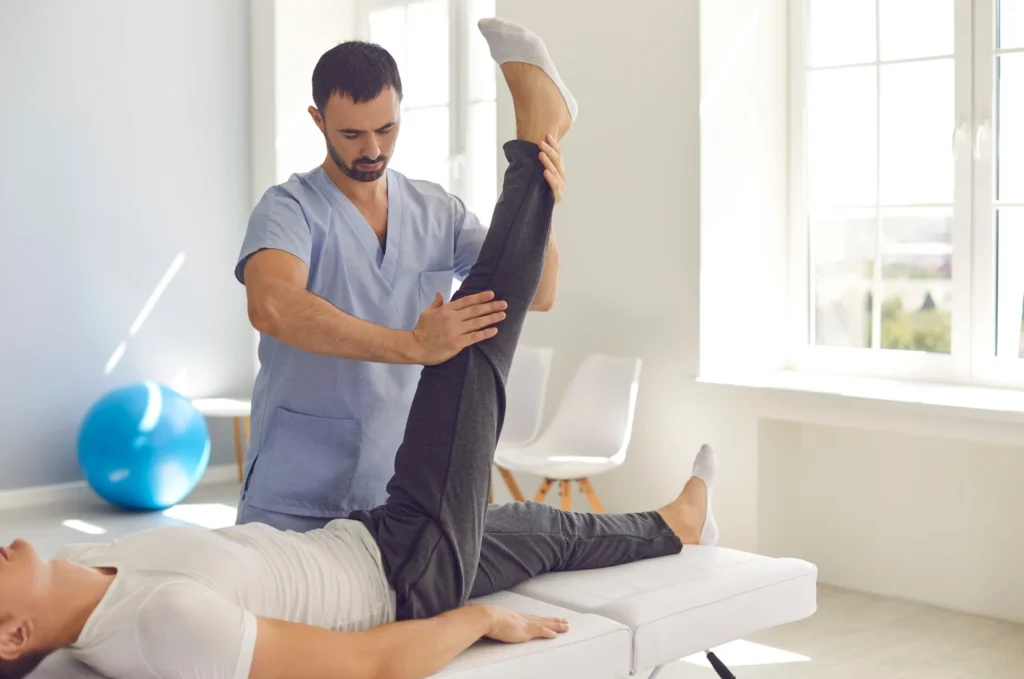
About the Physical Therapist Behind This Guide
Keith Chan is a New York State licensed physical therapist and the clinical expert behind the content on this site. He holds a Master’s degree in Physical Therapy from CUNY Hunter College. He has worked with patients across a wide range of musculoskeletal and rehabilitation conditions for more than a decade.
Keith is a certified Graston Technique provider and holds personal training certifications through the NSCA and the Cooper Institute, with over 17 years of experience in strength and conditioning.
How to Find a Pelvic Floor Physical Therapist in NYC
ITNYCPT provides pelvic floor physical therapy at outpatient locations in Midtown Manhattan, the Financial District, and Woodbury, NY. Pelvic floor therapy sessions are $180 per session, with most running approximately 45 minutes.
Patients can contact the clinic directly to ask about availability, what a first visit includes, and whether their Insurance is accepted.