

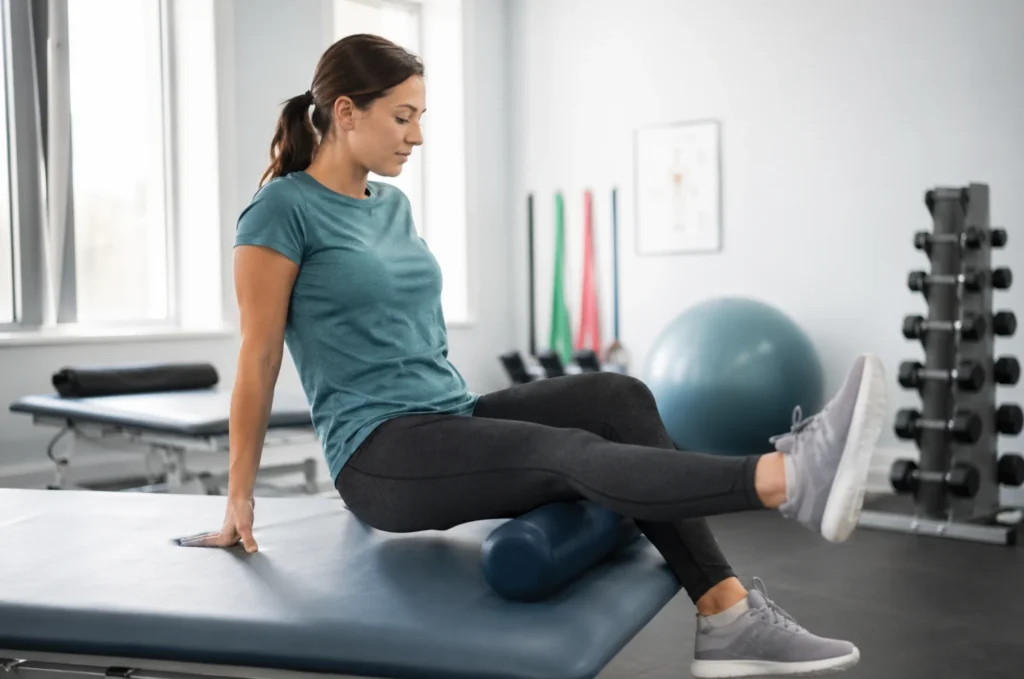
Wearing comfortable, flexible clothing helps your physical therapist assess movement, treat the right area, and guide exercise safely. If you wonder what to wear to physical therapy, choose clothes that allow movement. They should also give easy access to the treated body area.
ITNYCPT operates in New York City. Keith Chan is a New York State-licensed physical therapist. He serves as the subject matter expert for this topic. Your clothing choice does not need to be perfect, but it should help you feel comfortable during the visit.
Key Takeaways
- Wear loose, comfortable clothing that allows you to move and provides access to the area being treated.
- Choose athletic shoes if your visit may include walking, balance work, strengthening, or movement testing.
- Dress based on the body area involved, such as a tank top for shoulder care or shorts for knee, hip, or leg care.
- Avoid restrictive clothing, stiff jeans, heels, sandals, heavy jewelry, and anything that hinders movement.
- Bring extra clothes if you are coming from work, school, or another appointment.
What Should You Wear to Physical Therapy
The body area the therapist evaluates determines what you should wear to physical therapy. In general, loose-fitting clothing works well because it lets you move, bend, stretch, and perform simple tests without restriction. Wearing loose clothes also helps your physical therapist see how your joints and muscles move.
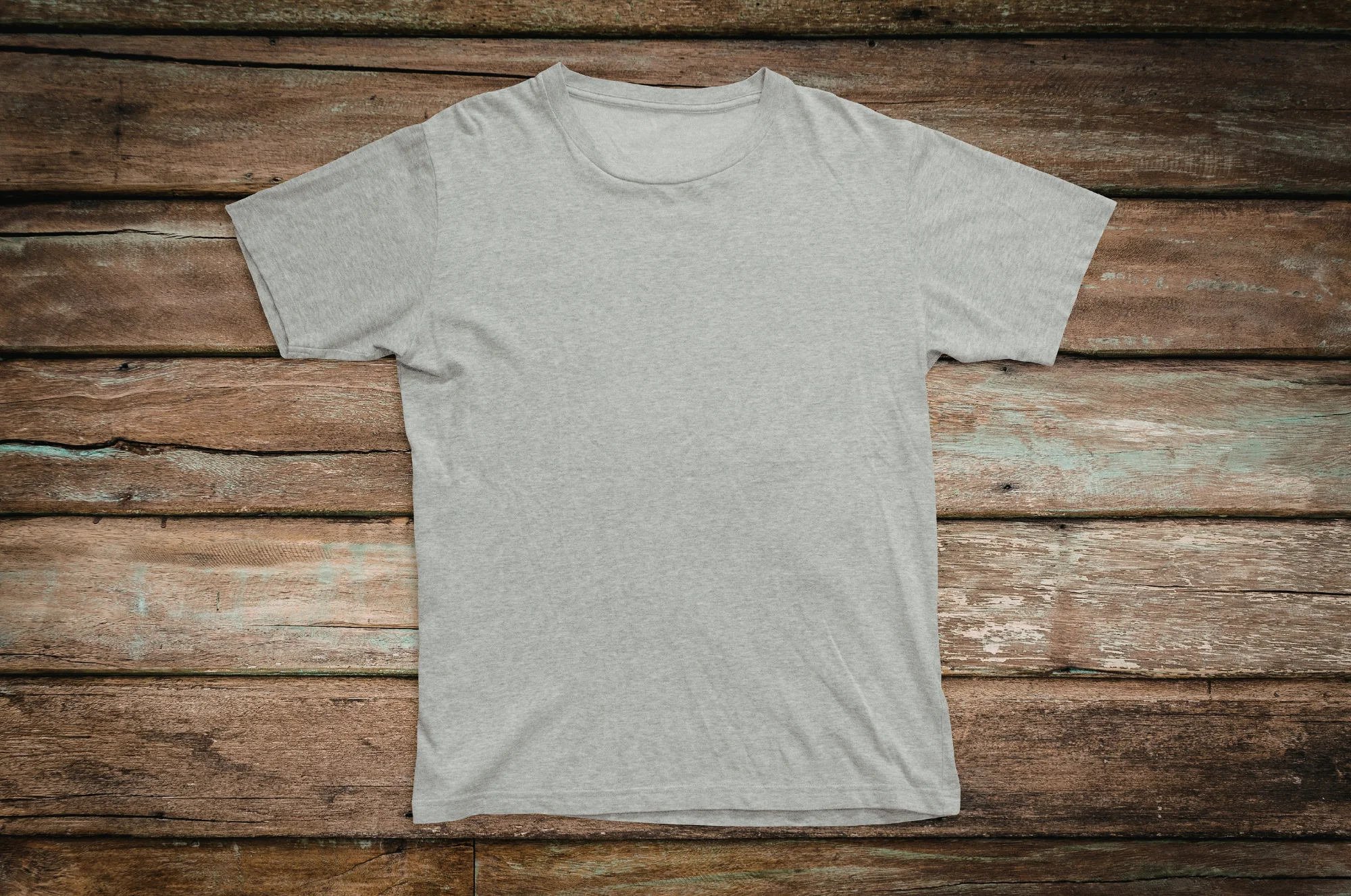
Good clothing for physical therapy often includes a loose t-shirt, shorts, or loose pants, and supportive athletic shoes.
An elastic waistband can help if your visit involves hip, knee, back, or other lower-body movements. Avoid wearing clothes that limit your range of motion or make you feel uncomfortable during exercise.
Is There a Dress Code for Physical Therapy
Most physical therapy clinics do not have a formal dress code. The practical goal is to wear clothing that supports movement, comfort, and access to the treated area. A physical therapy appointment may include a history review, movement screen, strength testing, balance work, and goal setting.
What to Wear to Your First Session
For your first visit, wear simple clothes that suit the purpose of your appointment. If you are coming from work in NYC, consider bringing a change of clothes, so you do not need to wear dress pants, tight skirts, or formal shoes. Physical therapy sessions often include testing and exercise, even during the first visit.
How to Dress for Physical Therapy
How to dress for physical therapy comes down to three points: comfort, movement, and access. Your physical therapist may need to observe posture, joint motion, gait, or muscle control. Clothing should make that easier without making you feel exposed or uncomfortable.
Helpful choices include:
- A loose t-shirt or tank top for shoulder, neck, or upper body care
- Shorts or loose pants for hip, knee, ankle, or leg care
- Athletic shoes for walking, balance, and exercise
- A sports bra, if it helps you move comfortably
- Bring a hair tie, in case long hair may block neck or shoulder movement
Your clothing should also help you feel covered and comfortable. If an area needs to be assessed, your physical therapist can explain why and adjust the setup when possible. You can ask for a towel, a drape, or a different position if you feel uncomfortable.
Best Clothing by Treatment Area
Your clothing choice should match the area being treated. This helps the physical therapist assess movement and guide exercises with fewer interruptions. It also makes manual therapy, therapeutic exercise, and reassessment easier when those are part of the plan of care.
Neck and Shoulder Pain
For neck, shoulder, or upper body concerns, a tank top, sports bra, or loose t-shirt can be useful. These options allow easy access to the shoulder blade, upper back, and arm while still giving coverage. Avoid restrictive clothing around the shoulders, as it can limit performance on reaching and lifting tests.
Back and Lower Back Pain
For back or lower back pain, wear clothing that lets you bend, sit, stand, and lie down comfortably. Shorts or loose pants with an elastic waistband usually work better than jeans or stiff work pants. Your physical therapist may assess your spine, hips, walking pattern, and core control.
Some outpatient physical therapy settings use Pilates-based therapeutic exercise. It can improve core strength, mobility, control, and return to activity. The exercises may change across phases of rehab as pain, strength, and tolerance change. Clothing should allow those movements without pulling or slipping.
Hip, Knee, and Leg Pain
For hip labrum tear, knee, or leg pain, shorts are often the easiest option. They let the physical therapist assess joint motion, swelling, walking mechanics, and muscle control. If you prefer more coverage, loose pants that roll above the knee can also work.
For knee care, avoid wearing tight leggings that restrict movement above the knee. For hip care, avoid restrictive clothing that limits squats, steps, or leg movement. For leg or ankle care, wear clothing that lets you show your lower leg and foot when needed.
What Shoes Should You Wear
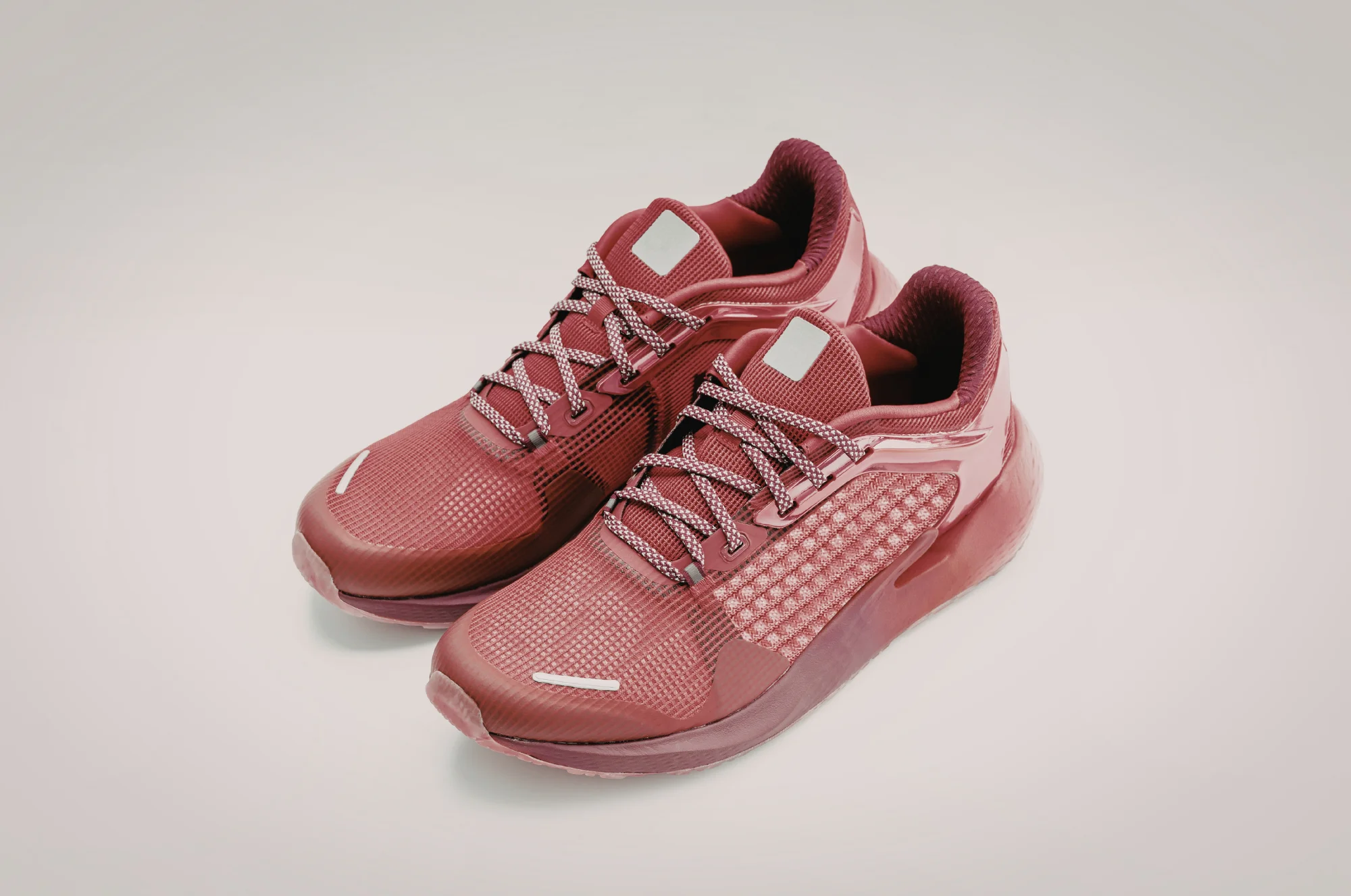
Wear athletic shoes that feel stable and secure. Shoes matter because physical therapy may include walking, balance work, strengthening, or movement testing. Sandals, heels, slippery shoes, and unsupportive flats can make these activities harder.
Your shoes do not need to be new or expensive. They should fit well, stay on your feet, and match the activities you can safely perform. If foot or ankle symptoms are part of the visit, bring the shoes you wear most often.
What Not to Wear to Physical Therapy
Avoid wearing restrictive clothing, heavy jewelry, stiff jeans, tight dresses, and shoes that make movement unsafe. These items can interfere with testing, exercise, or access to the treated area. They may also make you feel uncomfortable when lying down, stretching, or changing positions.
Try to avoid:
- Clothing that blocks the painful area
- Shoes without support or traction
- Heavy accessories that limit movement
- Thick layers that are hard to adjust
- Work clothing that cannot stretch
Should You Bring Extra Clothes
Bringing extra clothes can help if you are coming from work, school, or another appointment. Many NYC patients travel by subway, walk between appointments, or arrive in clothes that are not ideal for movement. A small change of clothes can make the session easier.
Extra clothes can also help if you sweat during exercise or need different clothing for your commute home. This is especially helpful when physical therapy sessions include strengthening, balance drills, Pilates-based exercises, or home exercise review. You can also bring layers if the clinic room feels cool.
What to Expect During Your Visit
A PT evaluation usually includes questions about your symptoms, health history, daily activities, and goals. The physical therapist may check movement, strength, flexibility, balance, and pain response. These findings help shape an individualized plan of care.
Treatment may include therapeutic exercise, education, manual therapy, and structured follow-up. Manual therapy is a broad term for hands-on techniques used when needed. We may discuss soft-tissue tools, like the Graston Technique, when they fit the case. Progress depends on the type of injury, consistency, workload, sleep, health history, and how your body responds over time.
Final Thoughts on Dressing for PT
The best answer is simple: wear clothes that let you move and give access to the area being treated. Comfortable clothing, supportive shoes, and a practical change of clothes can make the visit smoother. The right outfit helps the physical therapist assess movement clearly and guide care with fewer limits.
Keith Chan reviewed this content for accuracy in the context of outpatient physical therapy practice. The information reflects general guidance for physical therapy sessions, including movement assessment, exercise, and treatment setup. Individual recommendations may vary based on your condition, goals, and plan of care.