

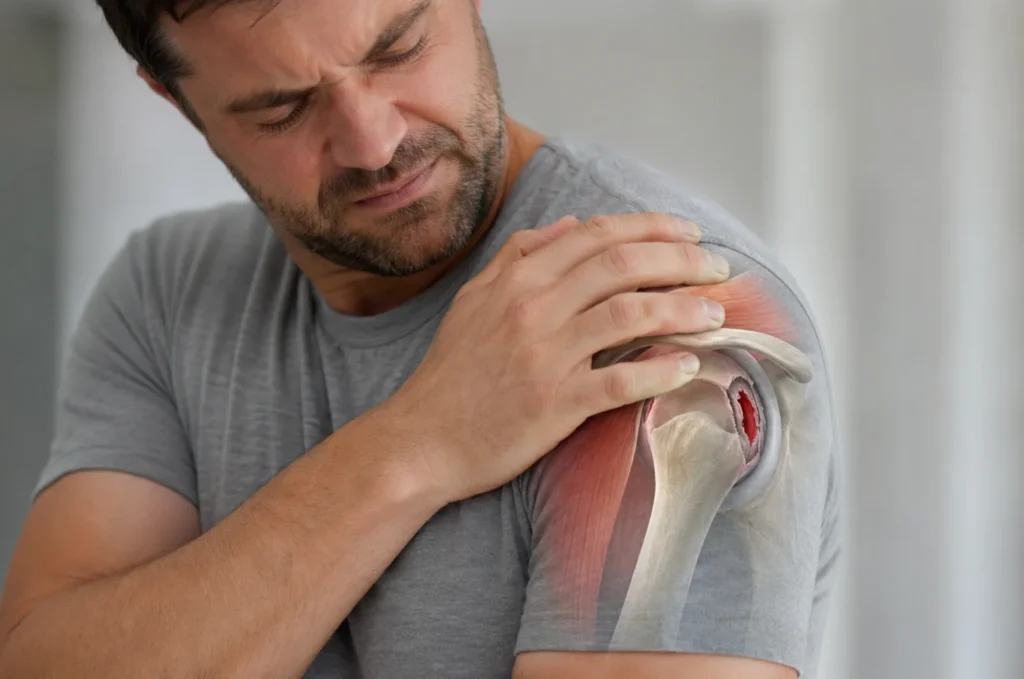
Keith Chan is a Newk Stshoulder’s responseical therapist at ITNYCPT in New York City. He treats patients with a wide range of shoulder injuries, including labral tears at all stages and severity levels. What works depends on the tear type, location, and the shoulder’s response to load over time. Takeaways.
- Most shoulder labral tears are treated without surgery first, using a structured combination of physical therapy, anti-inflammatory medication, and sometimes a corticosteroid injection over 3 to 6 months. Rehabilitation exercises follow three phases – early range-of-motion work, rotator cuff strengthening, and scapular stabilization – and skipping ahead before the shoulder is ready is one of the most common reasons rehab stalls.
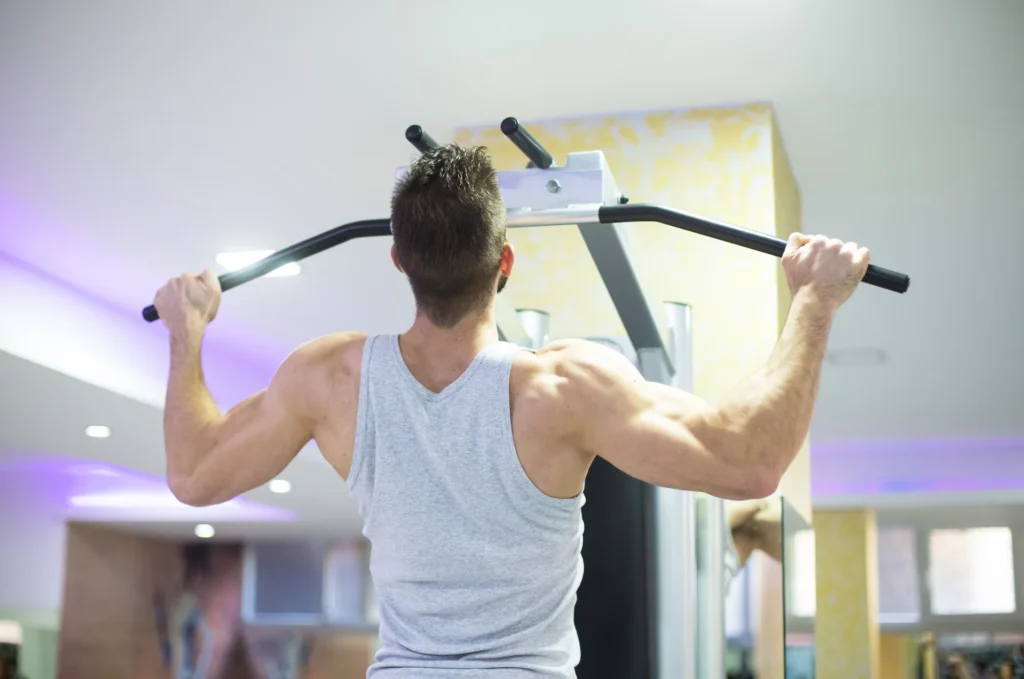
- Biceps-loading exercises like chin-ups, pull-ups, and heavy curls should be avoided in early- and mid-stage rehab because the biceps tendon attaches directly to the labrum, creating traction on the tear.
- SLAP tears and posterior labral tears require specific exercise modifications – tear location affects which movements are safe, how quickly strengthening can progress, and how long it takes to return to sport.
- Non-surgical recovery typically takes 3 to 6 months, while post-surgical rehab runs 4 to 6 months or longer; consistency with both in-clinic sessions and home exercises is the variable most within your control.
What Exercises Help a Torn Shoulder Labrum?
Effective shoulder labral tear rehab targets three things: restoring range of motion, strengthening the rotator cuff, and training the shoulder blade to move correctly.
These goals are addressed in phases, with each phase building on the last. Exercises that load the biceps tendon or push the shoulder into positions it isn’t ready for tend to slow recovery rather than support it.
What Is the Shoulder Labrum and Why Does It Tear?
The Labrum’s Role in Shoulder Stability
Your shoulder is a ball-and-socket joint with a shallow socket. The labrum is a ring of fibrocartilage that deepens the socket and stabilizes the shoulder by anchoring several ligaments and the long head of the biceps tendon. That attachment point is why biceps loading becomes a primary concern after a tear.
Common Causes: Trauma, Overuse, and Wear
Labral tears happen in three main ways:
- Sudden trauma: A shoulder dislocation, fall on an outstretched arm, or direct impact
- Repetitive overhead activity: Common in pitchers, swimmers, and volleyball players; it wears the tissue down gradually
- Age-related degeneration: In people over 40, fraying can occur without any specific injury event
Symptoms That Suggest a Labral Tear
The most common symptom is a deep ache inside the shoulder that is hard to pinpoint. Clicking, catching, or grinding during movement are also common, along with a sense of instability. Moving the shoulder into overhead positions or behind the back tends to provoke the most discomfort.
Shoulder Labrum Tear Treatments: Surgery vs. Physical Therapy
When Conservative Treatment Works
Most shoulder labrum tear treatments begin without surgery. The standard approach combines physical therapy, anti-inflammatory drugs, and sometimes a corticosteroid injection for short-term pain relief.
Clinicians generally recommend 3 to 6 months of conservative care before they seriously consider surgery.
What PT Can and Cannot Fix
PT solutions for shoulder pain can restore range of motion, reduce shoulder pain, and build enough strength to compensate for a damaged labrum. It cannot repair the structural tear itself.
For patients with partial tears or mild fraying, functional improvement is often sufficient to return to daily activities and sports. For those with complete tears or persistent instability, surgery may still be necessary after a full course of PT.
What Surgery Involves and When It’s Recommended
The most common procedure is an arthroscopic labral repair, in which the surgeon reattaches the torn labrum to the socket rim using small anchors.
Surgery is typically recommended when conservative treatment fails after a genuine trial, when the shoulder remains mechanically unstable, or when the tear is severe enough that PT alone is unlikely to restore function.
Shoulder Labral Tear Rehab Protocol: Non-Surgical Approach
A non-surgical shoulder labral tear rehab protocol moves through three phases: pain control and gentle mobility, progressive strengthening, and functional return to activity. Progression is driven by how the shoulder responds at each reassessment, not by a fixed calendar.
The first PT session begins with a full evaluation – injury history, movement screen, and shoulder testing – followed by an individualized plan of care.
In outpatient settings like ITNYCPT, sessions are delivered one-on-one by a licensed physical therapist, allowing the program to be adjusted in real time based on the patient’s response at each visit. Home exercise carryover between sessions plays a significant role in how quickly each stage progresses.
Labrum Tear Physical Therapy Exercises by Phase
Labrum rehabilitation exercises are organized into three phases. Moving ahead before the shoulder is ready is one of the most common reasons rehab stalls. Individual programs vary based on tear type, severity, and patient goals.
Phase 1: Early Range-of-Motion Labrum Rehabilitation Exercises
Phase 1 keeps the shoulder moving without loading the healing tissue. These exercises prevent stiffness and maintain circulation to the area – they are not intended to build strength.
Pendulum Swings
Purpose: Decompress the joint and maintain early mobility without active muscle contraction.
- Stand and lean forward, letting your injured arm hang freely at your side.
- Use a slow rocking motion from your body to create gentle circular movement in your arm.
- Keep your shoulder muscles passive throughout – the movement comes from your body, not your arm.
Perform 1 to 2 minutes, two or three times daily.
Cane-Assisted Shoulder Flexion
Purpose: Restore the overhead range of motion passively, without stressing the injured labrum.
- Lie on your back holding a cane with both hands.
- Use your uninjured arm to guide the injured arm forward and overhead.
- Stop when you feel a gentle stretch. Keep the injured shoulder passive throughout.
Perform 10 to 20 repetitions daily.
Cross-Body Stretch for Posterior Shoulder Tightness
Purpose: Release posterior capsule tightness, which shifts shoulder mechanics and increases labral stress when left unaddressed.
- Lie on your side with hips and knees bent.
- Position your injured shoulder and elbow at 90 degrees.
- Use your other hand to gently pull the elbow across your body until you feel a mild stretch at the back of the shoulder.
- Hold for 30 seconds.
Perform twice daily. Use cautiously if you have a posterior labral tear – see the section below.
Phase 2: Rotator Cuff Strengthening Exercises
The rotator cuff is a group of four muscles that center the humeral head in the glenoid fossa during movement. When the labrum is damaged, the rotator cuff compensates for reduced passive stability.
Strengthening these muscles reduces the load on the healing tissue and restores normal shoulder mechanics, while keeping biceps tendon stress low throughout this phase.
Side-Lying Shoulder Flexion Raises
Purpose: Strengthen the rotator cuff and shoulder musculature while minimizing biceps activation.
- Lie on your side with a light dumbbell in your top hand.
- Keep your elbow straight and your arm parallel to the floor.
- Raise your arm slightly overhead, then lower slowly.
Perform 3 sets of 10 to 20 repetitions several times per week. This position reduces biceps activation compared to standing shoulder-height raises, making it a safer choice for early strengthening.
Resistance Band External Rotation
Purpose: Strengthen the external rotators – the infraspinatus and teres minor – which are most responsible for dynamic stability during overhead activity.
- Anchor a resistance band at waist height.
- Stand with your elbow bent at 90 degrees and your upper arm held at your side.
- Rotate your forearm outward against the band.
- Return slowly and with control.
Perform 3 sets of 15 repetitions.
Resistance Band Internal Rotation
Purpose: Strengthen the subscapularis, the primary internal rotator of the rotator cuff.
- Same setup as external rotation, facing the opposite direction.
- Rotate your forearm inward against the band.
- Control the return – the eccentric phase matters as much as the rotation itself.
Perform 3 sets of 15 repetitions.
Phase 3: Scapular Stabilization Exercises
The shoulder blade forms half of your shoulder joint. When it doesn’t move correctly, mechanical stress increases on the labrum and rotator cuff. Scapular stabilization exercises train the trapezius and serratus anterior – the muscles most responsible for controlling shoulder blade position during daily activities and overhead movement.
Prone Rows
Purpose: Activate the middle and lower trapezius, which are commonly underactive in people with shoulder injuries.
- Lie face down on a table with your arm hanging off the edge, holding a light dumbbell.
- Pull your elbow back and up while drawing your shoulder blade toward your spine.
- Lower slowly and with control.
Perform 3 sets of 12 to 15 repetitions.
Wall Slides
Purpose: Train the serratus anterior and lower trapezius while reinforcing the upward rotation pattern the shoulder blade needs for pain-free overhead activity.
- Stand with your forearms flat against a wall, elbows at shoulder height.
- Slide your arms upward while maintaining contact with the wall.
- Return slowly to the starting position.
Perform 3 sets of 10 to 12 repetitions.
SLAP Tear and Posterior Labrum Tear Exercises: What Changes
Exercises for a SLAP Tear without Surgery
A SLAP tear affects the superior portion of the labrum where the biceps tendon attaches to the top of the socket. This makes biceps loading the central concern throughout rehab.
Exercises for a SLAP tear without surgery follow the same three-phase structure, but chin-ups, pull-ups, and heavy curls are deferred until well into the later stages.
Return-to-sport timelines are longer for overhead athletes because throwing, serving, and swimming all create direct stress at the superior labrum, which is why sports physical therapy follows a structured interval approach rather than a fixed calendar for this population.
Posterior Labrum Tear Exercise Modifications
A posterior labral tear affects the back of the socket and typically occurs in people who perform heavy pressing or generate force through internal rotation under load.
The cross-body stretch is applied cautiously because it directly loads the posterior labrum. Internal rotation strengthening is introduced more gradually, with early emphasis on posterior rotator cuff activation and scapular control to protect the healing tissue.
Shoulder Labral Tear Exercises to Avoid
Not all shoulder exercises are appropriate during labral tear rehab. These categories come up consistently in outpatient PT:
- Biceps-loading movements: Chin-ups, pull-ups, barbell curls, and heavy dumbbell curls place direct traction on the labrum through the biceps tendon attachment. Avoided in early and mid-stage rehab.
- End-range overhead positions under load: Behind-the-neck press, behind-the-neck lat pulldowns, and loaded overhead reaching stress the superior and posterior labrum. Deferred until strength and stability are well established.
- High-compression gym exercises: Upright rows, dips, and wide-grip bench press with full range of motion are commonly flagged for patients with labral damage. These are load management decisions, not permanent restrictions.
If an exercise consistently reproduces your shoulder pain, that is a signal to modify or stop – not to push through.
How Long Does Shoulder Labral Tear Rehab Take?
Non-surgical recovery typically shows meaningful improvement within 6 to 12 weeks, though the duration of physical therapy varies depending on tear severity, consistency, and whether other structures were involved.
After an arthroscopic labral repair, most protocols involve 4 to 6 weeks in a sling before active rehab begins. Post-surgery rehabilitation exercises are introduced gradually, with return to sport typically falling between 4 and 6 months post-surgery.
Variables that affect how quickly you recover include tear type and location, age, baseline strength, sleep quality, job demands, pain sensitivity, and whether other structures, such as the rotator cuff, were also involved. Consistency with both in-clinic sessions and home exercises remains the factor most within your control.
When to See a Doctor or PT
See a doctor promptly if your shoulder pain follows a traumatic event, if your shoulder feels like it’s giving way, or if you have sudden, significant weakness or loss of motion.
If symptoms came on gradually, a physical therapist can evaluate your shoulder directly and determine whether imaging or a physician referral is needed.
In New York, direct access laws allow you to see a licensed physical therapist without a doctor’s referral, so you can begin structured care without waiting for another appointment.