

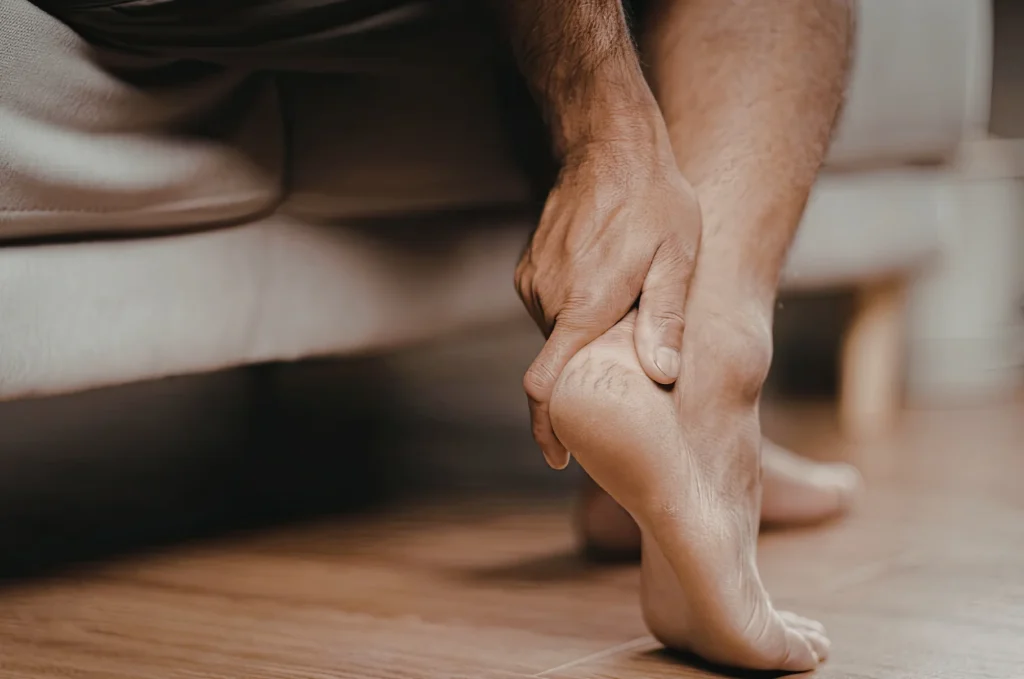
At ITNYCPT in New York City, licensed physical therapist Keith Chan treats flat feet. He also treats foot drop and a range of related foot and ankle conditions. Surgery is considered when a full course of PT and orthotics has not controlled pain. This guide explains what treatment involves and what you can expect.
Key Takeaways
- Physical therapy for flat feet does not rebuild an arch – it targets the muscle weakness, tight tissue, and movement habits that turn flat feet into a painful condition, which is enough to restore function for most people without surgery.
- Flexible flat feet respond well to PT because the muscles can still actively support the arch. In contrast, rigid flat feet are more structural in nature and may require orthotics or further evaluation alongside exercise.
- Core exercises used in flat foot PT include arch lifts, exercises for a collapsed arch, stretches for the Achilles tendon and calf, and heel raises – all of which can be done at home between sessions and are a key driver of progress.
- Most people notice a reduction in pain within six to eight weeks, but full improvement in strength and movement typically takes three to six months, with consistent home exercise being one of the biggest factors in how quickly that happens.
- Orthotics reduce the load on the arch during daily activities and work well alongside PT, especially early in treatment; surgery is considered only when a full course of conservative care has not controlled symptoms.
What Are Flat Feet?
Flat feet occur when the arch fully touches the ground while standing. People with flat feet can have flexible flat feet, where the arch appears when the foot is not bearing weight.
They can also have rigid flat feet, which show no arch in any position. Flexible flat feet often improve with physical therapy because the muscles can still support the arch.
Common causes include genetics, weight gain, pregnancy, and damage to the posterior tibial tendon, the tendon along the inner ankle that supports the arch.
Conditions like rheumatoid arthritis can also lead to fallen arches over time. Whether flat feet cause pain depends largely on muscle strength and how well the foot adapts to load.
Can Flat Feet Be Corrected with Physical Therapy?
Yes. Physical therapy does not rebuild an arch. It targets the muscle weakness and movement habits that cause pain. For many people, addressing those issues is enough to resume normal activities without surgery.
PT cannot change bone structure. If a bone problem or a torn tendon causes fallen arches, exercises will not correct them.
Consider a PT evaluation if you have heel or arch pain with weight bearing, foot pain that returns after rest, or knee and hip pain linked to how your feet land. Runners and athletes dealing with these symptoms may also benefit from sports physical therapy to address the demands that their activity places on their feet.
How Physical Therapy for Flat Feet Works
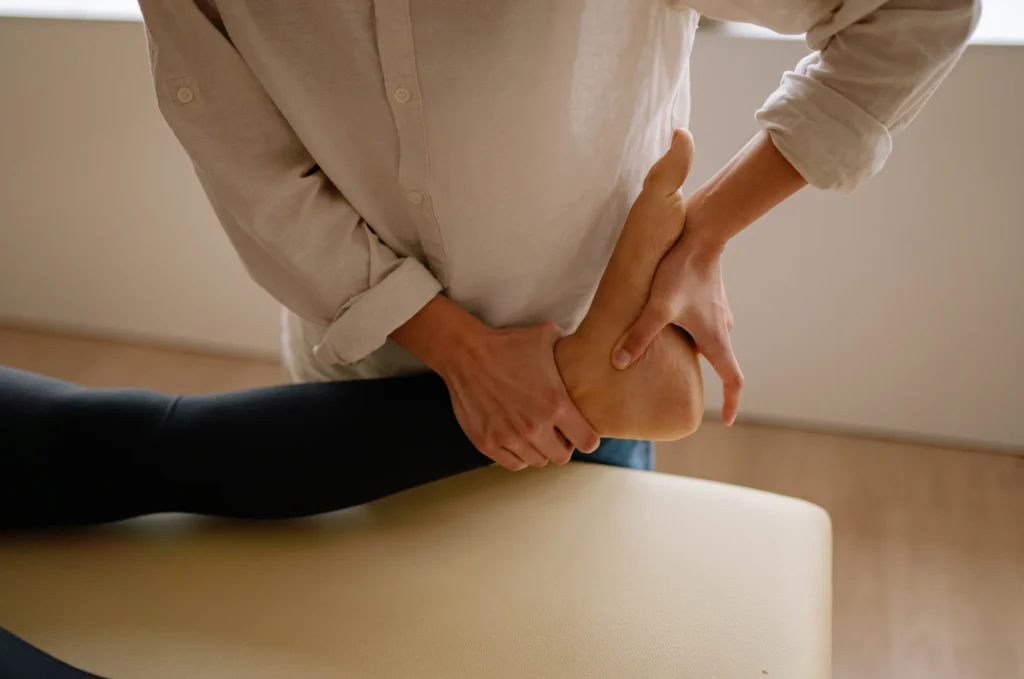
A PT evaluation covers your history, a movement screen, and tests of ankle mobility and arch mechanics. Your therapist watches how you stand and walk, checks how your foot rolls inward under load, and identifies weak or tight areas. Goals and a plan follow from those findings.
Early sessions focus on strengthening exercises and basic mobility. Over time, your program becomes more challenging and better tailored to your daily demands. Pilates-based therapeutic exercise is one method used to build core control and foot stability simultaneously.
Sessions at ITNYCPT can be one-on-one with a licensed PT throughout, and home exercises are part of the program from the start. When tight tissue limits movement, manual therapy and the Graston Technique are used to treat restricted connective tissue along the foot and lower leg. Reassessment drives when your exercises change.
Flat Foot Physical Therapy Exercises
The foot exercises for flat feet your PT assigns depend on your assessment. These exercises for flat feet appear in almost every flat foot program. Your PT updates them as you get stronger.
- Arch lifts: Stand with your foot flat on the floor and raise the arch without curling your toes. This is a foundational flat feet exercise to strengthen the muscles inside the foot.
- Exercises for a collapsed arch: Short foot exercises, arch lifts, and resistance-band work to strengthen the muscles that control arch position during weight-bearing.
- Stretches for flat feet: Wall calf stretches and stair heel drops address Achilles tendon and calf muscle tightness that adds strain to the arch.
- Heel raises and toe work: Heel raises, done by rising through the balls of your feet, build calf muscle strength and ankle stability. Toe walking and towel curls activate the small muscles inside the foot.
Home exercises are assigned from your first session. Short, daily sessions between appointments build the muscle habits that produce lasting results.
How Long Does Flat Foot PT Take?
Most people notice less pain within 6 to 8 weeks. Full improvement, including strength and gait changes, typically takes three to six months. These are the main factors that affect how fast you progress:
- Flat foot type (flexible flat feet respond faster than rigid)
- How much tendon damage or joint stress is present
- How much time do you spend on your feet each day
- How often do you complete your home exercises between sessions
What Is the Best Treatment for Flat Foot?
There is no single best option for flat feet. In most adults, foot structure does not change without surgery, so the goal of non-surgical care is to reduce pain and improve function.
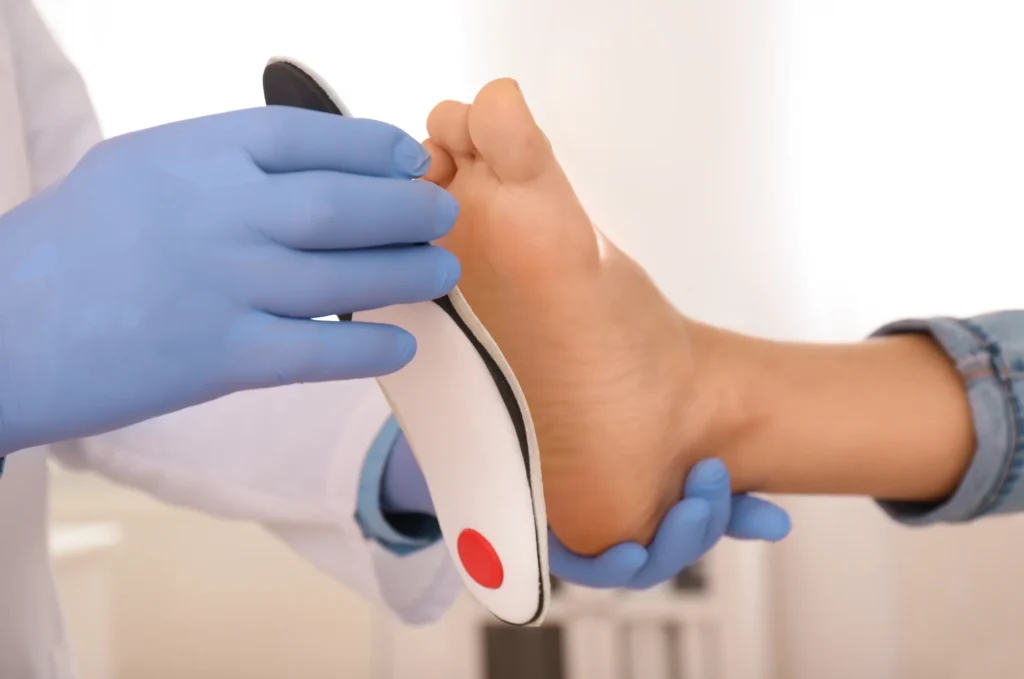
Orthotics are arch-support inserts that reduce stress on the plantar fascia. They work well with PT, especially early in treatment. At that stage, the foot muscles are often too weak to support the arch on their own.
Surgery is considered when a full course of PT and orthotics has not controlled pain. It is also considered when imaging shows bone or tendon damage that exercise cannot address.
What to Expect at Your First Flat Foot PT Appointment
Your first session is an assessment. Your PT will ask about your symptoms, activity level, footwear, and past injuries – and if you are an active patient or athlete, they may discuss sports physical therapy as part of your care plan.
They will observe how you walk and test for tight or weak areas. You will likely leave with basic exercises and footwear guidance, and the full program builds from there.