

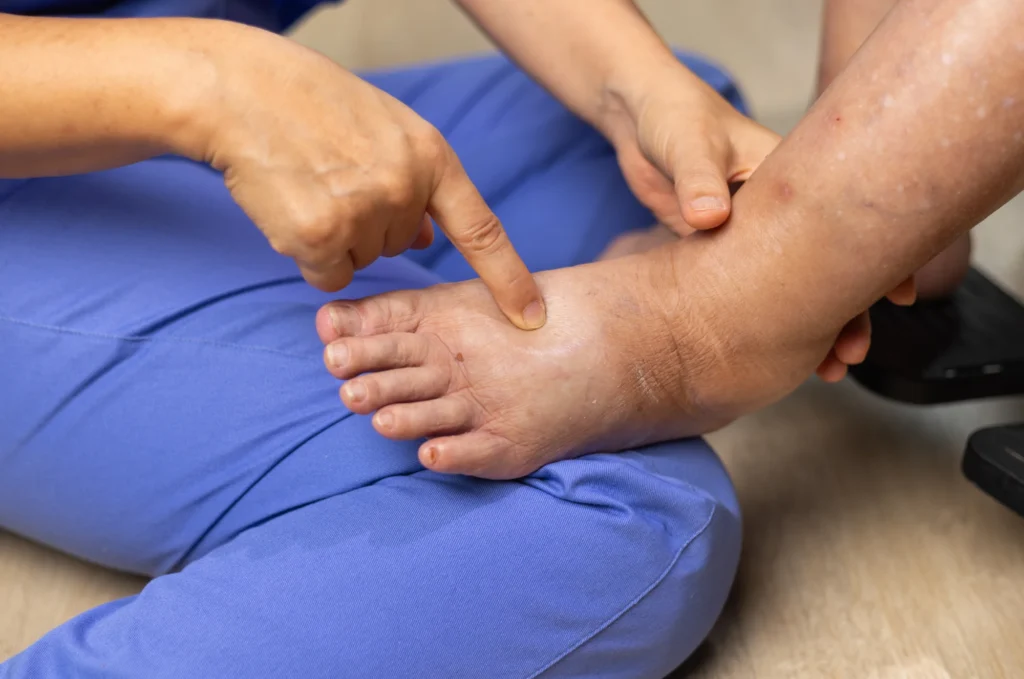
ITNYCPT in New York City works with patients who need guided physical therapy for lymphedema, including exercise, compression education, symptom monitoring, and long-term self-care strategies.
Keith Chan, a New York State-licensed physical therapist and subject-matter expert, provides clinical context for this topic. This guide explains what a lymphedema physical therapist may do. It lists exercises that may help. It also shows how treatment can progress over time.
Key Takeaways
- Lymphedema physical therapy can help manage swelling, mobility limits, and daily function, but it does not cure lymphedema.
- Treatment may include manual lymph drainage, compression bandaging, compression garments, therapeutic exercise, skin care education, and home exercise planning.
- Exercises often start gently and may include breathing work, range-of-motion movements, walking, ankle pumps, heel raises, and light strengthening.
- Treatment timelines vary, but mild cases may need several weeks of education and exercise guidance, while more persistent swelling may require several months of structured care.
- A lymphedema physical therapist or a trained occupational therapist can help guide the use of compression, symptom monitoring, and long-term lymphedema management.
Can Physical Therapy Help Lymphedema?
Yes. Physical therapy helps lymph fluid move more effectively through your body with guided movement, education, and an integrative PT approach when appropriate. It improves joint movement and mobility. It also teaches safe ways to stay active.
A lymphedema PT plan includes exercise, compression education, hands-on drainage, and a home program you do yourself.
How well you improve depends on the body part affected. It also depends on how severe the swelling is. It depends on any cancer treatments you had. It also depends on how consistently you use compression.
What Happens During Your First Visit?
Your therapist will evaluate your swelling patterns and check how well you can move. They will measure the swollen area and ask about your daily activities, movement limitations, and recovery needs, similar to the planning used for post-surgery rehabilitation exercises.
Your first treatment session will explain how the lymphatic system works and why movement helps lymphatic fluid drain better.
What Does Lymphedema Therapy Include?
Lymphedema management physical therapy combines several therapeutic tools. These include:
- Hands-on drainage techniques to help lymphatic fluid move
- Compression bandaging during the active swelling control phase
- Compression garments for daily lymphedema management
- Therapeutic exercise to activate your muscle-pumping system
- Skin care education and monitoring
- Home exercise programs with clear progression steps
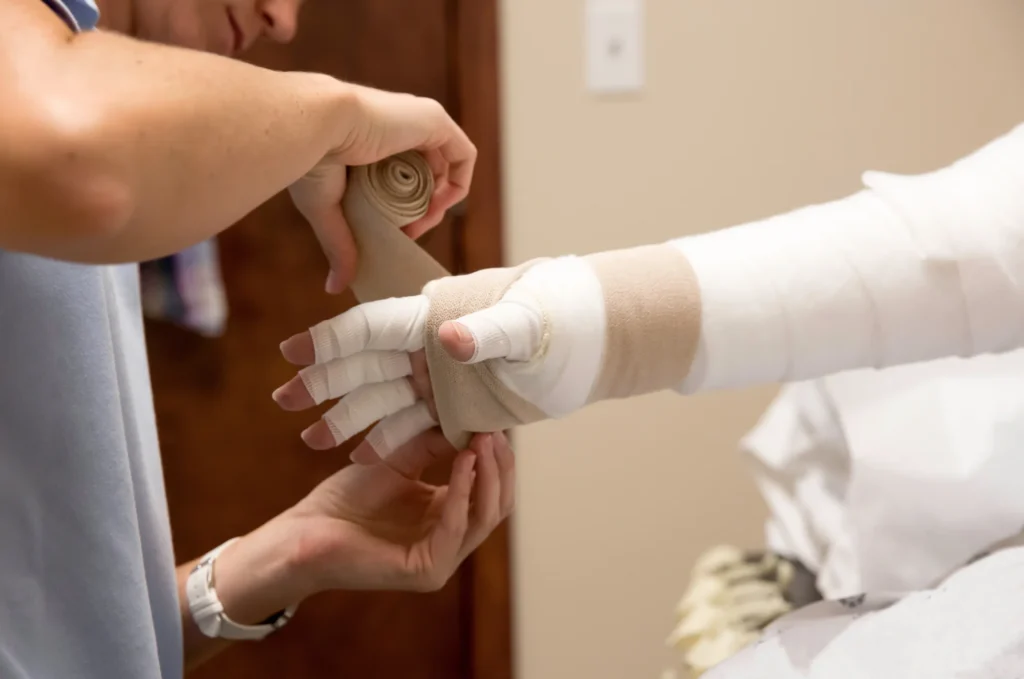
Complete Decongestive Therapy
Complete decongestive therapy is the main evidence-based treatment approach for lymphedema. This method combines hands-on drainage, compression strategies, therapeutic exercises, skin care protocols, and patient education.
The intensive phase focuses on reducing swelling and improving tissue condition. The maintenance phase emphasizes consistent use of compression garments, regular home exercises, and long-term lymphedema management.
Best Exercises for Lymphedema
Start with gentle, progressive exercises designed for your affected body part. Good options include:
- Diaphragmatic breathing exercises
- Shoulder range-of-motion rolls
- Arm elevation exercises for breast cancer-related swelling
- Hand and finger squeezing movements
- Ankle pumping for lower leg swelling
- Calf muscle activation through heel raises
- Walking intervals
- Modified squats or sit-to-stand movements
- Core stabilization exercises
For leg lymphedema, focus on ankle pumps, calf raises, and gradual walking programs. Wear compression garments during exercise if your swelling gets worse with activity.
Do Exercises at Home
After your therapist teaches you proper technique, you can do exercises at home on your own. Your routine should include diaphragmatic breathing, gentle range-of-motion exercises, regular walking, consistent use of compression garments, and daily skin checks.
Your exercise will progress gradually over time. You’ll adjust how many repetitions you do, how far you walk, how much resistance you use, your range of motion, and how long you rest between exercises. Your swelling response and how well you stick to your home exercise plan directly affect your results.
How Long Does Treatment Take?
The length of lymphedema PT varies by the severity of swelling, the affected body part, your health history, and whether you had surgical removal of lymph nodes. Some people may need a few weeks of education, exercise guidance, and compression planning. Others may need several months of structured care.
For mild swelling, treatment may focus on learning home exercises, using compression, and monitoring symptoms over 4–8 weeks. For more persistent swelling, care may continue for 8–12 weeks or longer, especially when compression bandaging, complete decongestive therapy, or frequent reassessment is needed.
Many people also need long-term management of lymphedema after the main treatment phase. This may include compression garments, home exercise, skin checks, and follow-up visits as symptoms change.
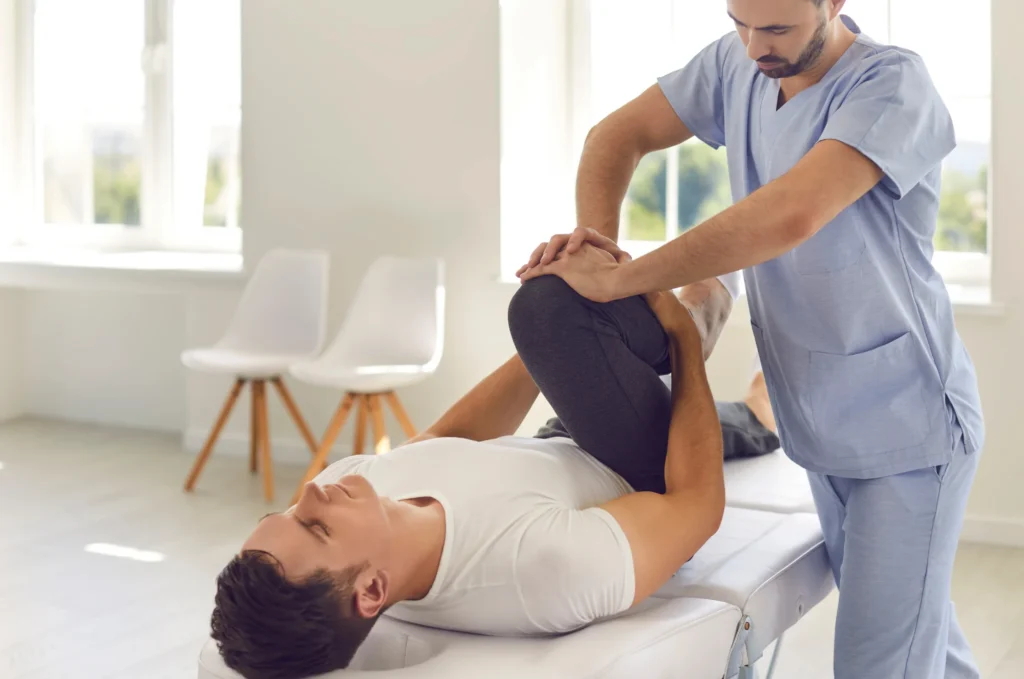
Physical Therapist or Occupational Therapist
A lymphedema physical therapist focuses on improving movement, strength, and walking ability, and on helping you return to your normal activities.
Lymphedema occupational therapy focuses on activities of daily living, hand coordination, strategies for managing your garments, and environmental modifications. You may benefit from working with both types of therapists when your care includes both movement goals and daily task support through physical and occupational therapy.
Questions to Ask Your Therapist
- Do you have specialized training in lymphedema therapy?
- Do I need a certified lymphedema therapist?
- How will you measure changes in my swelling?
- Should I start with compression bandaging or compression garments?
- Which exercises should I do in my home program?
- What signs tell me I should change or stop my exercises?
Lymphedema Physical Therapy in NYC
In New York City outpatient settings, you can receive one-on-one sessions with a licensed physical therapist. Your therapist will do a thorough evaluation and create a treatment plan that changes as you improve.
Your care will include hands-on therapeutic techniques, structured exercise, home program instruction, compression education, and regular reassessment to track your progress.