
Keith Chan is a New York State-licensed physical therapist and an ITNYCPT subject-matter expert in New York City. He reviewed the clinical topics in this guide. Results vary based on the condition, its severity, overall health, and regular practice.
Key Takeaways
- Neurological physical therapy helps improve balance, walking, strength, coordination, and daily function after damage or disease affects the nervous system.
- Treatment may support people with stroke, spinal cord injury, Parkinson’s disease, multiple sclerosis, brain injury, and other neurologic conditions.
- Care often includes a movement evaluation, a personal treatment plan, repeated task practice, therapeutic exercise, and home exercises.
- Recovery may take a few weeks, several months, or longer. The timeline depends on the diagnosis, severity, health, goals, and regular practice.
- Physical therapy cannot cure every neurological disease, but it may improve safety, independence, mobility, and quality of life.
What Is Neurological Physical Therapy?
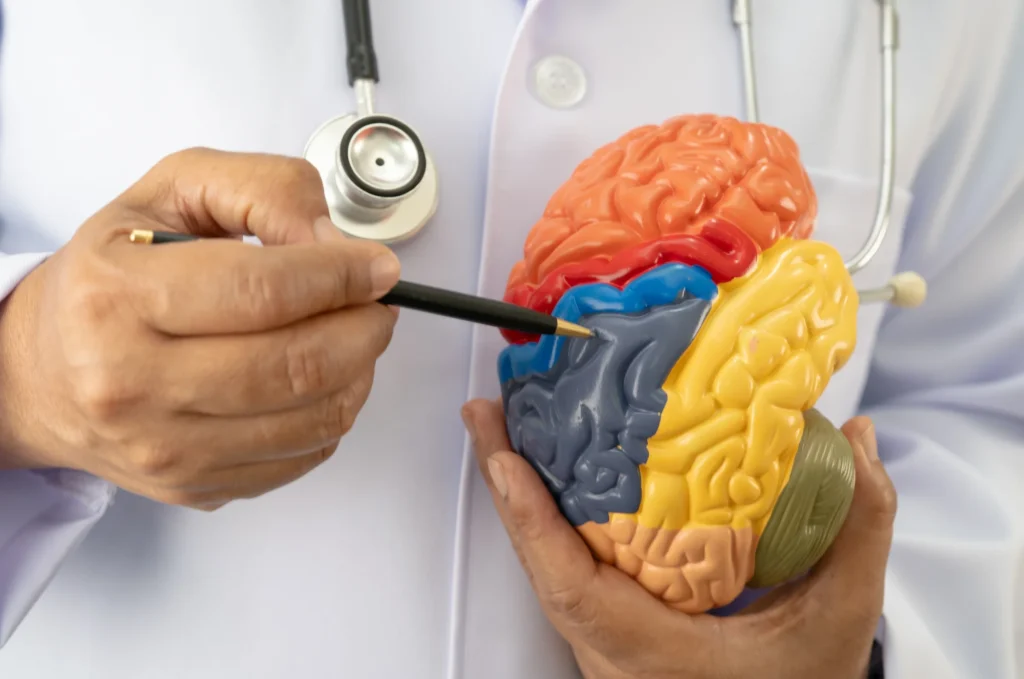
Neurological physical therapy is the care for movement problems linked to the nervous system. The central nervous system includes the brain and spinal cord, while other nerves carry signals through the body. A neurological disease can disrupt these signals and cause muscle weakness, stiffness, poor balance, shaking, or slow movement.
Neurological rehabilitation aims to restore skills or teach safer ways to complete tasks. Goals may include standing with less help, walking farther, using stairs, or returning to work. When full recovery is not possible, care may support long-term function and independence.
Conditions Treated With Neurological Physical Therapy
Physical therapists work with many neurologic conditions and neurologic disorders. Some begin without warning, while others change slowly over time. Each treatment plan should match the diagnosis, symptoms, health history, and personal goals.
Common conditions include:
- Stroke and traumatic brain injury (TBI)
- Spinal cord injury
- Multiple sclerosis
- Parkinson’s disease, also known as Parkinson’s disease
- Cerebral palsy
- Peripheral nerve damage
- Balance and inner ear disorders
- Amyotrophic lateral sclerosis
The same condition can affect two people in different ways. For example, spinal muscular atrophy physical therapy may focus on safe movement, joint protection, posture, and daily function.
One person may have poor balance, while another has fatigue, chronic pain, or trouble walking. Treatment should reflect those differences rather than following a single fixed program.
Neurological Physical Therapy Treatment and Exercises
Neurological therapies use repeated movement practice linked to useful tasks. An exercise may help someone stand from a chair, climb stairs, or walk on a busy NYC sidewalk. The therapist changes the task as strength, control, and stamina improve.
Neurological physical therapy exercises may include:
- Weight shifting, reaching, turning, and standing
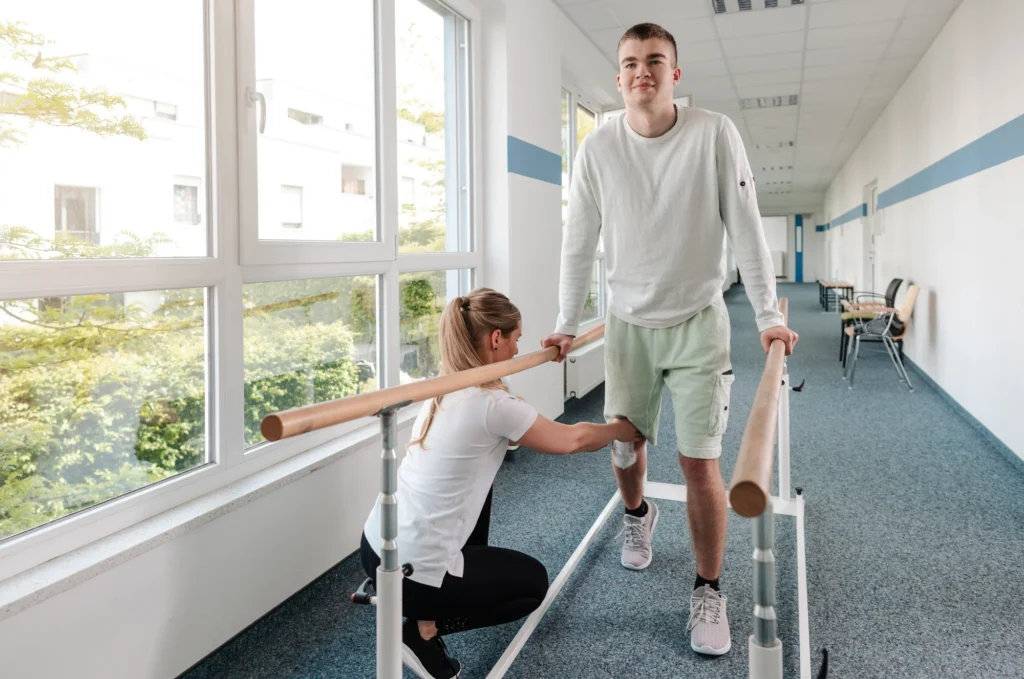
- Walking, step training, and use of a cane or walker
- Strength and mobility work for posture and movement
- Transfer practice between a bed, chair, and standing
- Coordination and motor control tasks
- Home exercises between visits
Pilates-based therapeutic exercise may support core strength, body control, and mobility. Constraint-induced movement therapy may promote the use of a weaker arm after some brain injuries. It does not suit everyone and requires careful screening.
Exercises should match the person’s balance, energy, feeling, and health status. Tasks that are too hard may increase the risk of falls or symptoms. A licensed physical therapist can change the pace, support, resistance, or number of repetitions.
What Happens During Treatment?
Treatment begins with a physical therapy evaluation. The therapist asks about the diagnosis, medicines, falls, pain, daily tasks, and goals. They also test strength, balance, walking, coordination, and basic movement.
The findings guide an individual treatment plan. Early visits may focus on safety and simple tasks, while later visits may add more speed, weight, distance, or less support. Regular follow-up and testing show when the plan should change.
Outpatient care may include one-on-one treatment from a licensed Physical Therapist. A session may combine exercise, walking practice, education, hands-on care, and other physical therapy modalities when appropriate. Manual therapy may help when a joint or soft tissue problem limits movement.
The Graston Technique is one tool used for some soft tissue problems. It may be considered when tight or sore tissue affects movement or adds to chronic pain. It does not treat damage in the nervous system itself.
Lorem ipsum dolor sit amet, consectetur adipiscing elit. Ut elit tellus, luctus nec ullamcorper mattis, pulvinar dapibus leo.
How Does Neurological Rehabilitation Work?
Neurological rehabilitation uses practice to improve movement or to create safer ways to complete tasks. Neuroplasticity is the nervous system’s ability to change through practice and experience. Repetition works best when the task is safe, focused, and tied to a clear goal.
Recovery means gaining back part of a lost skill. Compensation means using another method, body part, or device to complete the task. Both may help improve the quality of life and support more freedom.
Progress may be measured through walking speed, balance, distance, or the amount of help needed. A small change can still matter, such as standing with less support. These measures show whether the plan is helping.
How Long Does Treatment Take?
Neurological physical therapy may last from a few weeks to several months. A mild balance problem may improve within 4 to 8 weeks, while recovery after a stroke, spinal cord injury, or TBI may take 3 to 12 months or longer. Progressive neurologic disorders may require long-term care in shorter treatment periods.
Many people attend physical therapy one to three times per week at first. Visits may become less frequent as movement, safety, and independence improve. Timelines vary based on injury severity, health history, sleep, home support, disease changes, and regular practice.
How Can Therapy Support Daily Life?
Therapy should focus on tasks that matter outside the clinic. These may include using public transit, getting dressed, carrying food, climbing stairs, or moving through an apartment. Clear goals make progress easier to track.
Work and hobbies also shape care. A desk worker may need help with posture and fatigue, while another person may need walking practice for work, travel, or sports. The plan should reflect real needs rather than use the same exercises for everyone.
Neurological Versus Orthopedic Physical Therapy
Neurological physical therapy treats movement problems linked to the nervous system. Orthopedic physical therapy focuses on bones, joints, muscles, tendons, and ligaments. The two may overlap when a nerve condition also causes pain, weakness, or stiffness.
Neurological care often focuses more on balance, coordination, motor learning, and repeated tasks. Orthopedic care may focus more on joint motion, tissue healing, and strength after injury. An evaluation helps show which approach fits the person’s needs.
Care Settings and Rehabilitation Teams
Neurological rehabilitation may take place in a hospital, rehab center, outpatient clinic, home, community program, or through virtual physical therapy when remote care is safe and suitable. The right setting depends on safety, health needs, mobility, and the amount of help required. A person may move between settings as needs change.
A physical therapist works on walking, balance, strength, and movement. Occupational therapy helps with dressing, cooking, writing, and home tasks, while speech therapy may help with speech, thought, communication, or swallowing. Doctors, nurses, and mental health providers may also take part.
Some treatment options fall outside the role of physical therapy. These may include medicine, surgery, injections, or brain stimulation. The care team may also watch for risks and side effects.
What Are the Limits of Physical Therapy?
Physical therapy cannot cure every neurological disease or repair all nerve damage. It may help a person move better, lower fall risk, stay active, or learn safer ways to complete tasks. Results depend on the diagnosis and response to care.
A therapist may suggest a medical review when symptoms change or do not fit the expected pattern. New problems with speech, thought, swallowing, or movement may require a referral to another provider. These limits help keep treatment for neurological problems safe and realistic.
When Should You Seek Urgent Care?
Seek emergency care for sudden face drooping, one-sided weakness, trouble speaking, fainting, a new seizure, or a severe headache. Sudden loss of balance may also be a warning sign. These symptoms may point to a stroke or another emergency.
Fast care may also be needed after a head injury with confusion, repeated vomiting, severe sleepiness, or loss of consciousness. New loss of bladder or bowel control with weakness or numbness also needs urgent care. Do not wait for a routine therapy visit if symptoms worsen quickly.
Neurological Physical Therapy Questions
Do You Need a Referral?
New York allows direct access to physical therapy under set rules and visit limits. An insurance plan may still require a referral or prior approval. Check the plan before care begins.
Is Treatment Painful?
Exercise may cause effort or mild soreness. It should not cause sharp pain or a rapid worsening of symptoms. Tell the therapist about dizziness, numbness, unusual fatigue, or new pain.
Can Older Adults Benefit?
Age alone does not decide whether treatment may help. The therapist looks at health, balance, strength, thinking skills, and goals. Exercises can be changed for different starting levels.
Can Therapy Help Chronic Conditions?
Physical therapy may help people manage lasting limitations from stable or progressive neurologic disorders. Goals may include maintaining strength, reducing the risk of falls, and protecting daily functioning. The likely benefit depends on the condition and the person’s needs.