


At ITNYCPT in New York City, Keith Chan, a New York State-licensed physical therapist, serves as the subject-matter expert for this article.
This guide explains the origins of physical therapy, how the field developed into a formal profession, and how modern physical therapy became more evidence-based.
Key Takeaways
- Physical therapy developed from early movement, massage, hydrotherapy, and exercise practices into a formal health care profession.
- War injuries, the polio epidemic, and hospital-based rehab helped physical therapy grow in the United States during the 20th century.
- Mary McMillan and the APTA helped shape professional standards, education, ethics, and the identity of American physical therapy.
- Physical therapy treatments shifted from mostly passive methods, such as massage and traction, toward active rehab, testing, and individualized exercise plans.
- Modern physical therapy often includes evaluation, reassessment, manual therapy, therapeutic exercises, home exercises, and a gradual progression based on patient goals.
What Is the History of Physical Therapy?
The history of physical therapy is the story of how movement and rehab became a formal health care profession. Early care used massage, exercise, water treatment, and basic movement training. Over time, physical therapy treatments became more planned, more tested, and more specific to each patient.
Many people ask how long physical therapy has been around. The idea is ancient, but the profession is much newer. People have used movement and hands-on care for thousands of years. Formal physical therapy grew mostly during the 20th century.
History of Physical Therapy Timeline
A history of physical therapy timeline helps explain the main stages of the profession. The field did not start in one place or at one time. It grew through medicine, exercise science, war care, public health, and hospital rehab.
Key stages include:
- Ancient care used massage, movement, and water treatment.
- European systems later used exercise as a form of medical gymnastics.
- War and disease created a larger need for rehab.
- Care spread into hospitals, rehabilitation centers, clinics, public schools, and sports settings.
- Modern care now focuses on testing, function, and step-by-step progress.
Ancient Movement and Manual Care
The earliest roots of physical therapy trace back to simple physical methods. Ancient cultures used massage, hydrotherapy, and movement to treat pain, stiffness, and weakness.
These methods were not physical therapy in the modern sense. They were early methods of using touch and movement to support healing.
Medical Gymnastics and Early Training
By the 1800s, exercise had become more organized as a treatment. Swedish medical gymnastics helped connect planned movement with health care. This period shaped the field of physical therapy by making exercise more structured. It also linked fitness, rehab, and clinical care.
War, Polio, and Rehabilitation
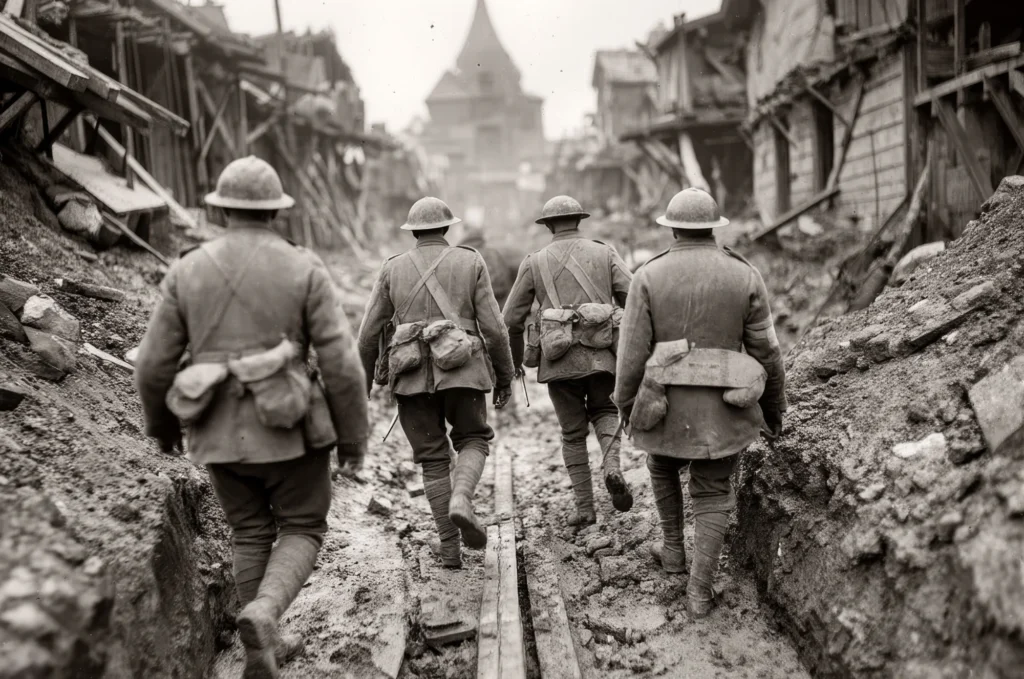
War and disease created a major need for rehab. Injured soldiers needed help with strength, walking, movement, and daily tasks, which reflects the early need for structured rehab physical therapy.
The polio epidemic also raised demand for skilled care because many people had weakness and long-term mobility problems.
The CDC notes that polio was once one of the most feared diseases in the United States, which helps explain why rehab became so important for many patients with lasting weakness.
Modern Outpatient Physical Therapy
Physical therapy later moved beyond hospitals. Care expanded into outpatient clinics, rehabilitation centers, schools, sports programs, and community settings.
This helped people with back pain, joint injuries, spinal cord injury, surgery recovery, and movement limits. Modern outpatient care often includes reassessment, home exercise, and gradual progress.
History of Physical Therapy in the United States
The history of physical therapy in the United States is tied to war, hospitals, public health, and formal training. Physical therapy became more visible when injured soldiers and people with disabling conditions needed guided rehab.
Early U.S. physical therapists worked in hospitals and helped patients regain movement and function. Their work helped define rehab as part of American health care.

When Physical Therapy Started in the United States
Physical therapy began as a formal profession in the United States in the early 20th century. World War I created a need for trained workers who could help injured soldiers recover. These early workers were often called reconstruction aides. Their work showed that guided exercise could help people recover after serious injury.
Walter Reed and Reconstruction Aides
Walter Reed Hospital played an important role in early U.S. rehab. Reconstruction aides helped soldiers with exercise, walking, and basic function after injury. This work was practical and direct. It focused on helping people regain useful movement after trauma.
Mary McMillan and the APTA
Mary McMillan is often linked to early American physical therapy. She helped organize early professional standards. The APTA timeline notes that she became the first president of the American Women’s Physical Therapeutic Association after World War I. That organization later helped shape education, ethics, and professional identity in the field.
History of the Physical Therapy Profession
The history of the physical therapy profession is different from the general history of movement care. Many cultures used exercise and hands-on care, but a profession needs training, rules, scope, and public trust.
Physical therapy became a profession when education, licensing, and organized practice became more consistent. This helped patients know what to expect from a trained clinician.
Early education helped separate physical therapy from informal exercise instruction. Training programs taught anatomy, movement, injury recovery, and patient care. Licensing later added public standards for safe practice. These changes helped physical therapy become part of mainstream health care.
As the profession grew, physical therapists began working in more specialized areas. These included orthopedics, neurology, pediatrics, geriatrics, sports care, and post-surgical rehab.
Professional standards also helped guide testing, treatment plans, notes, and reassessment. National Physical Therapy Month is one way the profession now teaches the public about physical therapy.
How Physical Therapy Treatments Changed
Physical therapy treatments changed as clinicians learned more about pain, tissue healing, strength, and movement. Earlier care often relied more on passive methods.
These included massage, traction, heat, water treatment, manipulative therapy, and other physical therapy modalities. Modern care may still use hands-on care, but it usually places more focus on active movement.
The biggest shift was from passive care to active rehab. Exercise became central because strength, motion, balance, and control often improve through practice.
Therapeutic exercise also changes across rehab phases. Early care may focus on pain and gentle motion, while later care may focus on strength, endurance, and return to activity.
Manual therapy is hands-on care used to address joint motion, soft-tissue restrictions, pain, or movement problems. Manual therapy techniques may include joint mobilization, soft tissue work, stretching, or guided movement.
The Graston Technique is one soft-tissue tool that some clinicians use when appropriate. These methods often work best when paired with exercise, education, and follow-up.
Physical Therapy Today
Modern physical therapy is broader than injury treatment alone. It can help with recovery after surgery, pain management, movement quality, and confidence with daily tasks. In outpatient care, a visit often includes reassessment, exercise progressions, education, and home exercise review. The goal is often better function, not only short-term pain relief.
A modern PT evaluation may include:
- A review of symptoms, goals, health history, and prior function, sometimes called PLOF in physical therapy.
- Movement, strength, and mobility testing.
- Goal setting based on daily needs.
- A plan that changes as pain, strength, and function change.
- Home exercises that support clinic work.
One-on-one care means the patient works directly with a licensed Physical Therapist during the visit. This can make it easier to adjust exercises, review symptoms, and update the plan.
In New York City outpatient care, patients may seek help for work demands, walking, stairs, fitness goals, sports, or surgery recovery. Pilates-based therapeutic exercise can be one way to work on core strength, control, mobility, and return to activity.
Common Questions About Physical Therapy History
Common questions about the history of physical therapy focus on who started it, why it was created, and how it became organized.
Physical therapy did not begin as one single method. It grew from practical needs across medicine, rehab, and movement science. These answers help explain why the profession looks the way it does today and connect to broader fun facts about physical therapy that show how the field has grown over time.
Who Founded Physical Therapy?
No single person founded physical therapy worldwide. The profession grew from ancient movement care, European exercise systems, war rehab, and hospital practice. In the United States, Mary McMillan is often seen as a key early leader. Her work helped shape professional organization and standards.
Why Was Physical Therapy Created?
Physical therapy was created to help people regain movement and function after injury, illness, surgery, and disability.
War injuries and the polio epidemic made this need more urgent. During World War II, hospitals also needed rehab support for many injured service members. Patients needed care that connected medical healing with daily movement.
How Did APTA Shape the Profession?
APTA helped organize the American physical therapy profession. It supported education, ethics, public awareness, and professional standards. This helped the profession move from early hospital work into a recognized part of health care. It also gave physical therapists a shared professional identity.
Why Physical Therapy History Matters
The history of physical therapy matters because it explains why today’s care blends movement, education, hands-on treatment, and long-term planning.
Earlier care focused more on massage, hydrotherapy, traction, and recovery after major illness or injury. Modern physical therapy still respects those roots, but it uses more testing, reassessment, and individual progressions.
This history helps patients understand physical therapy as an active process that changes with their condition, goals, and response to care.