

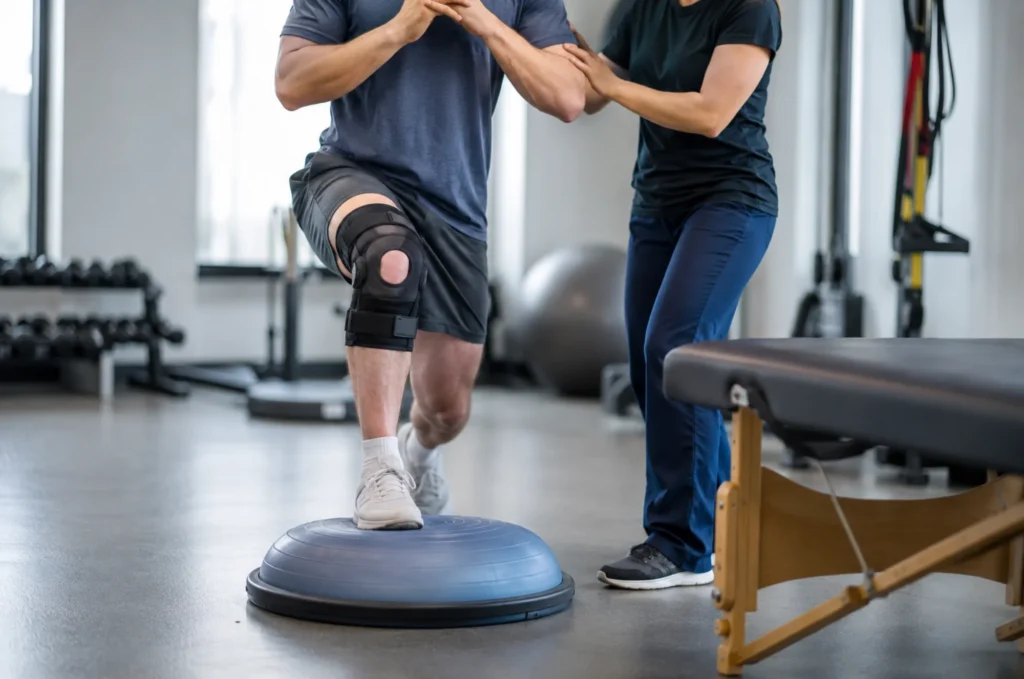
ITNYCPT is an outpatient physical therapy clinic in New York City, where Keith Chan, a New York State licensed physical therapist, provides clinical context for this topic. This guide explains what patients often need to understand before, during, and after ACL rehab.
Key Takeaways
- ACL rehabilitation often takes 6 to 12 months, and return to sport may take 8 to 10 months or longer.
- Recovery should progress based on swelling, range of motion, strength, balance, and movement control, not time alone.
- ACL rehab exercises usually progress through phases, from gentle motion work to strength, balance, agility, and sport-specific drills.
- Weak quadriceps, swelling, poor movement control, added injuries, and rushed impact activity can slow recovery.
- A physical therapist or orthopedic provider can help decide when walking, running, and sports activities are appropriate.
What Is the ACL?
The ACL is the anterior cruciate ligament. It is one of the main ligaments in the knee that helps control the shinbone’s forward movement and rotation.
An ACL injury can occur during cutting, pivoting, landing, or sudden changes in direction. This is why ACL rehabilitation often focuses on knee stability, strength, balance, and movement control.
How Does ACL Rehabilitation Work?
ACL rehabilitation helps restore knee function after an ACL injury, ACL surgery, or anterior cruciate ligament reconstruction. The anterior cruciate ligament (ACL) helps control knee stability, especially during cutting, pivoting, and landing.
A physical therapy plan usually starts with a full evaluation. Physical therapists may review your history, swelling, pain, walking pattern, strength, range of motion, knee flexion, balance, and goals before building a plan.
ACL Rehabilitation Timeline
ACL rehabilitation often takes 6 to 12 months, depending on the injury, the details of reconstruction surgery, strength, swelling, and sport goals. Many people begin weight-bearing in the first few days after ACL surgery, but crutches may still be needed for comfort and safety.
Emory notes that some patients feel comfortable without a crutch within 7 to 10 days. Still, weight-bearing may be restricted for several weeks if a meniscus repair or another ligament procedure was done.
Light daily activities often improve within the first 2 to 6 weeks. Running may begin around 3 to 4 months if swelling is controlled, walking is normal, and the quadriceps muscle supports the knee. However, runners may also need guidance on related knee-loading issues, such as physical therapy for runner’s knee. Return to sport often takes 8 to 10 months or longer.
The knee must show enough strength, balance, landing control, and confidence. We need this before you return to higher-risk activity.
Long-term recovery may also depend on consistency, sleep, workload, prior injuries, and the knee’s response to progressive training. Timelines are useful, but they should not replace testing. A person may be several months post-surgery and still need more time if swelling, weakness, or poor movement control persists.
ACL Rehabilitation Phases
ACL injury rehabilitation works best when each phase has a clear goal. A phased plan helps protect the healing knee while rebuilding motion, strength, balance, and sport-specific control. The MOON Knee ACL program also emphasizes that patients should complete one phase before moving to the next, rather than advancing only because enough time has passed.
Phase 1 usually focuses on pain control, reducing swelling, achieving full knee extension, gentle knee flexion, and safe walking. Phase 2 builds better knee motion, early strength, and daily activity tolerance. Phase 3 often shifts toward greater quadriceps, hamstring, hip, and calf strength, as well as improved single-leg control.
Later phases add running, agility, jumping, landing, cutting, and sport-specific drills. These phases should progress based on symptoms, testing, and movement quality. This helps reduce the risk of advancing before the knee is ready.
Phase 1: Reduce Pain and Swelling
The first phase focuses on calming the knee. Common goals include reducing swelling, improving knee extension, restoring gentle knee flexion, and walking with good control.
Phase 2: Restore Knee Motion
This phase improves motion and daily movement. Exercises may target walking, stairs, stationary biking, and controlled strength work without increasing swelling.
Phase 3: Rebuild Strength
Phase 3 focuses on muscle strength, especially the quadriceps, hamstrings, hips, and calves. Strength work may include squats, step-downs, bridges, and single-leg exercises when tolerated.
Phase 4: Add Running and Agility
This phase adds more impact and faster movement. A PT may use jogging progressions, landing drills, direction changes, and balance tasks to test knee control.
Phase 5: Return to Sport
The final phase prepares the knee for the demands of sport. This may include cutting, pivoting, jumping, sprinting, and decision-based drills that reflect the person’s activity.
ACL Rehabilitation Exercises
ACL rehabilitation exercises change as the knee heals. Early exercises may focus on range of motion and reducing swelling, while later exercises focus on building strength, control, speed, and power.
Common exercise categories include:
- Range of motion work for knee bending and straightening
- Strength work for the quadriceps, hamstrings, hips, and calves
- Balance drills for control during walking, stairs, and sports
- Impact drills for jumping, landing, running, and agility
- Home exercises that support carryover between visits
Range of Motion Exercises
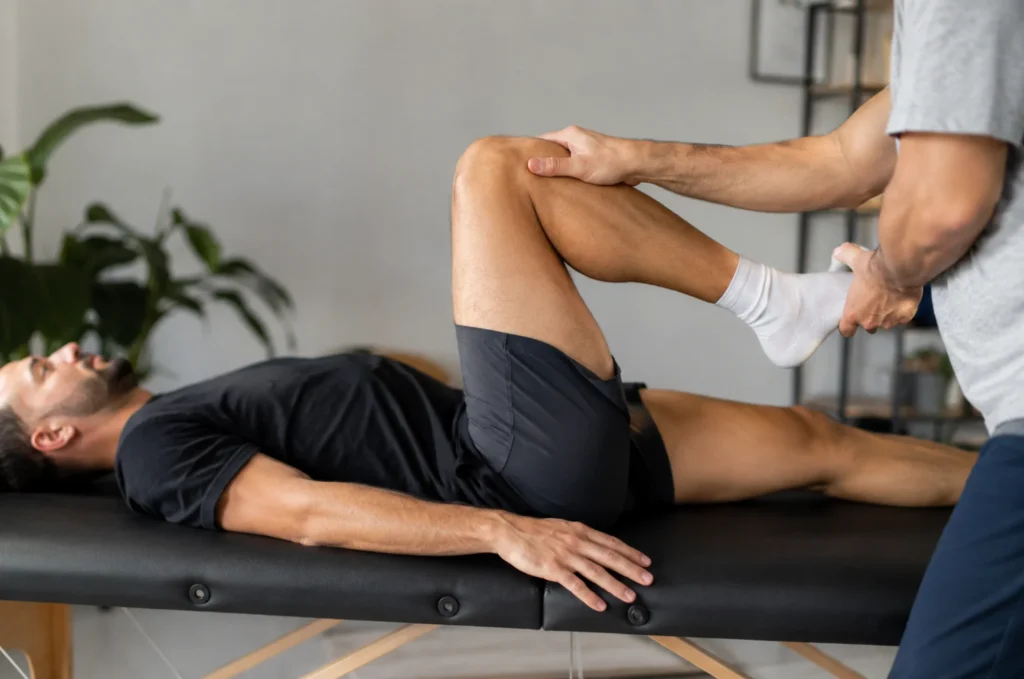
Range-of-motion exercises help restore knee bending and straightening. These may include heel slides, gentle extension exercises, stationary-bike motion, and guided mobility drills.
Strength Exercises
Strength exercises help the knee absorb load. The exact program depends on the pain, swelling, surgical precautions, and the person’s ability to control movement.
Balance and Control Exercises
Balance training helps the body control the knee during daily activities and sports. These exercises may include single-leg balance, step-downs, controlled lunges, and landing mechanics.
ACL Rehab Protocol and Progression
An ACL rehab protocol gives structure, but it should not replace clinical judgment. A useful plan considers time, symptoms, testing, movement quality, and the person’s goals.
Criteria-Based Progression
Criteria-based progression means a person advances after meeting specific markers. These markers may include control of swelling, motion, strength, balance, and clean movement patterns.
Time-Based Progression Limits
Time matters, but it cannot tell the whole story. Two people may be 12 weeks post-surgery, but one may have greater strength, less swelling, and better control of movement.
Signs You Are Ready to Progress
Good signs include reduced swelling, stable walking, improved strength, and better single-leg control. If pain or swelling increases after exercise, the program may need to be slowed down or changed.
What Progression Should Be Based On
ACL rehab progression should consider both time and function. Time gives a general guide, but function shows whether the knee can handle the next demand. MOON explains that progress through ACL rehab phases should be based on functionality, not only on a timeline.
Physical therapists may look at swelling, knee extension, knee flexion, quadriceps strength, walking quality, balance, and single-leg control. They may also reassess how the knee responds after exercise. If swelling increases or movement quality declines, the next step may need to be postponed.
What Does PT for an ACL Injury Include?
PT for an ACL injury typically includes evaluation, goal setting, exercise instruction, reassessment, and progressive loading over time. Broader knee therapy and rehab FAQs can help answer common questions. In outpatient physical therapy, one-on-one care delivered by a licensed Physical Therapist can help match exercises to the person’s current stage.
Manual therapy may be used when joint stiffness or soft tissue restrictions affect movement. Pilates-based therapeutic exercise may also support core strength, control, mobility, and a return to activity when it aligns with the rehab goal.
What Can Slow ACL Injury Rehabilitation?
Recovery can slow when the knee stays swollen, painful, stiff, or weak. Other factors include poor sleep, high job demands, inconsistent home exercise, fear of movement, and added injuries.
Swelling and Pain
Swelling can limit motion and reduce muscle activation. If the knee stays irritated after exercise, the load may be too high for the current stage.
Weak Quadriceps
The quadriceps muscle often loses strength after ACL surgery. Weakness can affect performance in stair climbing, squats, running, jumping, and return-to-sport testing.
Poor Movement Control
Poor control may show up as knee collapse, uneven landing, or difficulty with single-leg tasks, especially when hip and knee pain affects strength or alignment. Rehab should address these patterns before higher-speed drills.
Meniscus or Cartilage Injuries
Meniscus and cartilage injuries can change the rehab timeline. An orthopedic surgeon may limit weight-bearing, knee flexion, or impact activity after certain procedures.
What Not to Do During ACL Recovery?
ACL recovery should not be rushed. Doing too much too soon can increase swelling, reinforce poor mechanics, or delay progress.
Avoid these common mistakes:
- Returning to running before strength and control are ready
- Ignoring swelling after exercise
- Skipping home exercises between PT visits
- Advancing drills without testing
- Comparing your timeline to another person’s recovery
Do Not Rush Impact Activity
Impact activity places more demand on the knee. Running and jumping should wait until motion, strength, and control support the load.
Do Not Ignore Swelling
Swelling is useful feedback. If the knee swells after activity, the plan may need less volume, less intensity, or more recovery time.
Do Not Skip Strength Testing
Strength testing helps show whether the knee can handle higher demands. Without testing, a person may feel better but still have strength gaps.
When Can You Return to Sports?
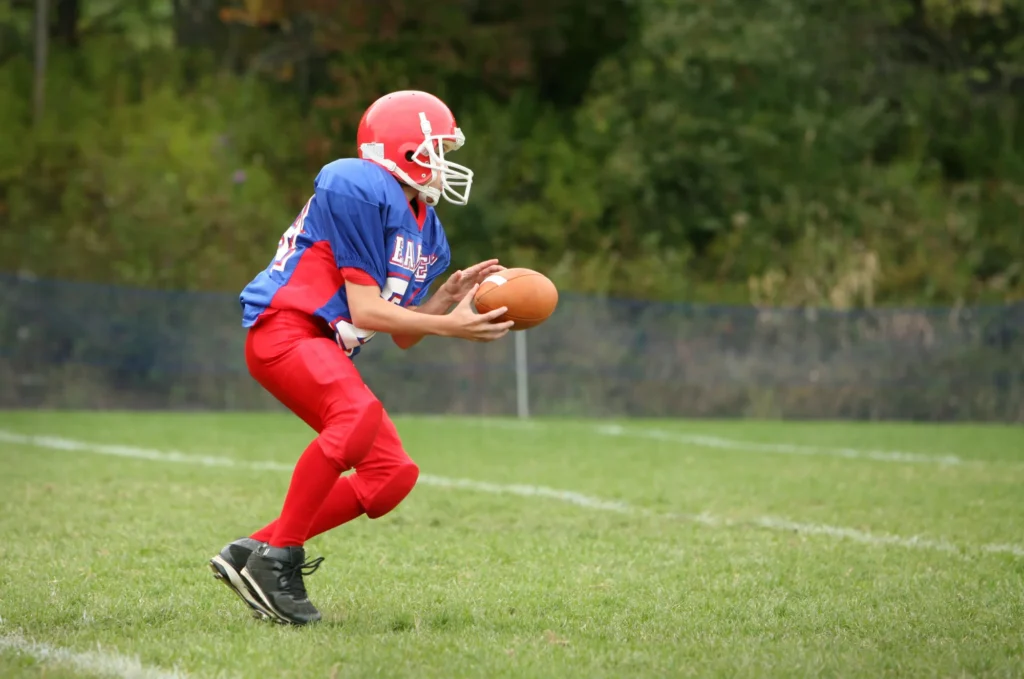
Return to sports depends on healing, strength, movement quality, the demands of the sport, and medical clearance. Many patients need 8 to 10 months or longer before returning to sport, but the exact timing varies. A person should not return only because a calendar date has passed.
Before a person is ready to return to sports, physical therapists may assess strength, hop performance, landing control, cutting mechanics, confidence, and single-leg stability. They may also compare the involved leg with the other to identify strength or control gaps. This matters because a knee can feel better before it is ready for sprinting, jumping, pivoting, or contact.
Medical clearance may involve the orthopedic surgeon or a sports medicine team, especially after ACL surgery or anterior cruciate ligament reconstruction. Clearance should reflect symptoms, testing results, sport type, and the person’s full recovery picture. The goal is not just to return to sport, but to return with enough strength, control, and preparation for the demands of that sport.
When to Contact Your Provider
Contact your provider if swelling increases sharply, pain worsens, the knee locks, the calf becomes painful or swollen, or you cannot bear weight as expected.
You should also ask for guidance if your progress stalls, your knee feels unstable, or exercise repeatedly causes symptoms. ACL rehabilitation varies, and safe progression should align with your knee, your goals, and your medical plan.
Sources and Clinical Context
This article is educational and should not replace medical advice from an orthopedic surgeon, physical therapist, or sports medicine clinician.
ACL rehabilitation timelines and progressions can vary based on graft type, meniscus repair, cartilage injury, swelling, strength, sport demands, and health history.
The guidance above is consistent with common ACL rehab themes from clinical and academic sources, including phased rehabilitation, criteria-based progression, early control of swelling, quadriceps strength, and return-to-sport testing.
Readers should use this information to understand the rehab process better and ask more informed questions during care.