

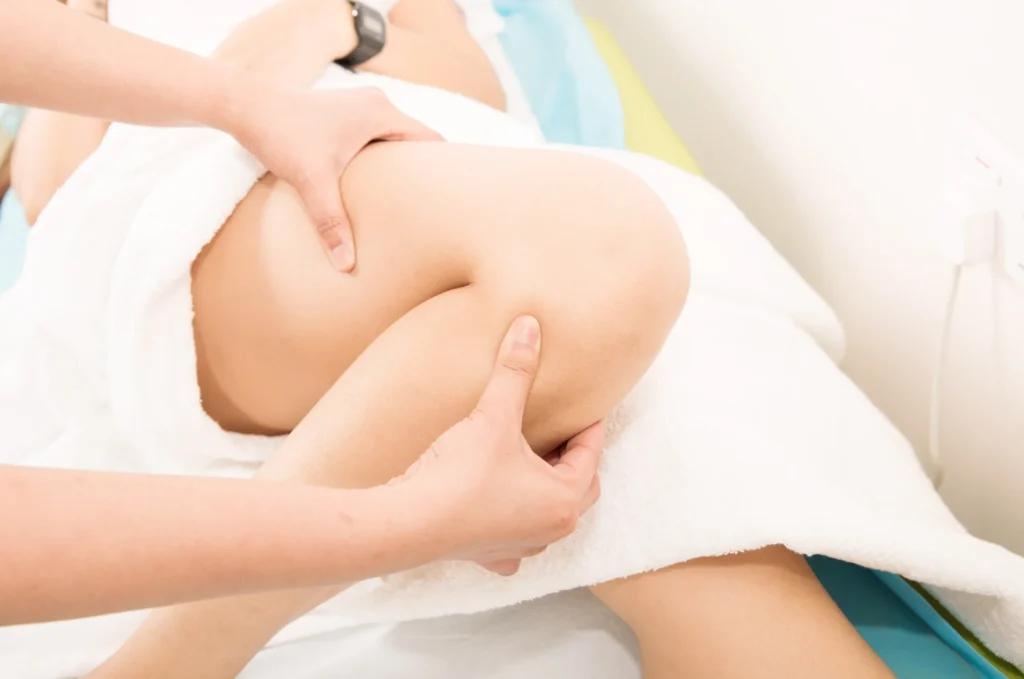
At ITNYCPT in New York City, Keith Chan, a New York State-licensed physical therapist, provides clinical insight into conditions such as chondromalacia patellae. Symptoms and recovery timelines can vary based on diagnosis, activity level, consistency, and overall health history.
Key Takeaways
- Physical therapy can help with chondromalacia patellae by reducing pain, improving kneecap control, and rebuilding tolerance to daily movement.
- Chondromalacia patella exercises often focus on hip strength, quadriceps control, mobility, balance, and gradual return to activity.
- Walking and cycling may help when the intensity, duration, and resistance match the knee’s current tolerance.
- Deep squats, deep lunges, jumping, heavy stairs, and high-resistance cycling may need short-term modification if they increase pain.
- Recovery varies, but mild cases may improve in 4 – 6 weeks, while more persistent symptoms may take several months.
Does Physical Therapy Help With Chondromalacia Patella?
Yes. Physical therapy often helps because it addresses how the kneecap moves over the knee joint. The goal is to reduce pain, improve control, and build tolerance for daily activity. Physical therapists usually assess the hip, knee, and ankle; walking pattern; and strength before creating a treatment plan.
What Is Chondromalacia Patella?
Chondromalacia patella means softening or irritation of the cartilage under the kneecap. This can cause pain at the front of the knee, grinding, stiffness, or discomfort with bending. The diagnosis of chondromalacia patellae may be based on symptoms, movement testing, imaging, or a combination of these.
Chondromalacia vs Patellofemoral Pain
Chondromalacia patella and physical therapy for runner’s knee are topics that often overlap, as both can involve pain around or behind the kneecap.
Patellofemoral pain syndrome describes pain around or behind the kneecap, while chondromalacia refers more directly to cartilage changes. Treatment often focuses on function, strength, and load tolerance rather than the label alone.
Common Symptoms and Triggers
Symptoms of chondromalacia patella often include aching, pressure, grinding, stiffness, and pain with stairs or squats, which are also common concerns in broader hip and knee pain cases. Many people experience pain after sitting with their knees bent for a long time. Pain may increase when the knee handles more load than it can currently tolerate.
Stairs, Squats, and Sitting Pain
Stairs and squats increase pressure between the kneecap and thigh bone. These movements are not always harmful, but they may need short-term modification. Sitting pain may improve with position changes, standing breaks, and better pacing of activity.
Grinding, Clicking, and Knee Noise
Grinding, clicking, or popping does not always mean damage. Knee noise matters more when accompanied by swelling, locking, giving way, or worsening pain. If noise limits function, a movement screen can help identify issues with strength, mobility, or control.
How to Treat Chondromalacia Patella
The treatment of chondromalacia usually starts with conservative care. This may include physical therapy, activity changes, home exercise, and medical guidance. Some people use anti-inflammatory drugs, as recommended by a physician, to reduce swelling and pain.
The best treatment for chondromalacia patella depends on symptoms, goals, imaging, and exam findings. A runner may need a different plan than someone with work-related stair pain. The best approach balances pain relief with gradual rebuilding of knee capacity.
Grade 2 Chondromalacia Patella Treatment
Grade 2 chondromalacia patella often focuses on strengthening, load management, and symptom control. This grade usually means mild to moderate cartilage changes. Many people improve with a structured plan that progresses over time.
Grade 4 Chondromalacia Patella Treatment
Grade 4 chondromalacia patella may require more medical input, as it can involve advanced cartilage loss. Physical therapy can still support pain control, strength, mobility, and function. Some people may discuss injections or surgical treatment with an orthopedic provider.
How Physical Therapy Treatment Works
A PT evaluation usually includes a health history, movement screen, strength testing, mobility testing, and goal setting. Early care may focus on reducing pain and swelling and improving comfort with daily tasks.
Later care may focus on pain management, improving strength, endurance, and balance, and returning to activity.
Pain and Load Management
Load management means adjusting activity so the knee can calm down without full rest. A person may temporarily reduce deep squats, hills, running volume, or long stair sessions.
Manual therapy or soft-tissue work, including the Graston Technique when appropriate, may support movement but should not replace exercise.
Hip and Quad Strengthening
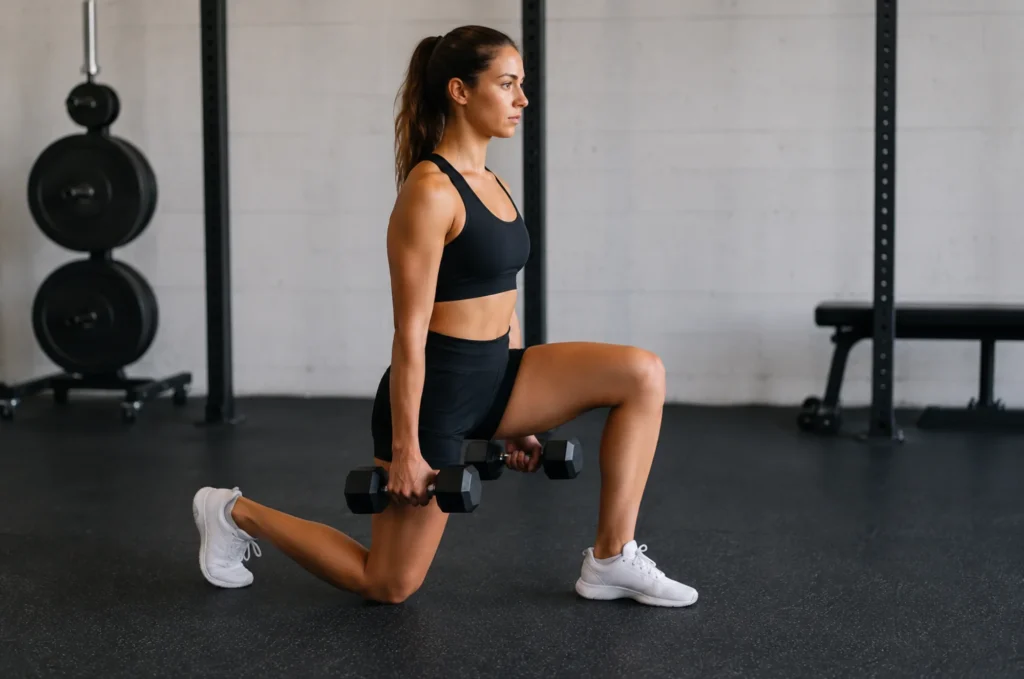
Hip and quad strengthening helps control kneecap motion. The quadriceps muscles guide knee extension, while the hip muscles help control thigh position during walking, stairs, and squats. Improving joint control can reduce stress at the kneecap.
Movement and Gait Training
Movement training helps a person use strength during real tasks. A therapist may adjust squat depth, stair strategy, walking mechanics, or running form. Pilates-based therapeutic exercise may also help with core control, mobility, and gradual return to activity.
Chondromalacia Patella Exercises
Chondromalacia patella exercises often start with low-load movements that improve control without flaring pain. Examples include quad sets, straight leg raises, bridges, clamshells, step-ups, and controlled squats. The right starting point depends on pain level, strength, and activity goals.
Best Exercises for Knee Control
There is no single best exercise for every person. Useful categories may include:
- Quad activation for kneecap control
- Hip strengthening for thigh alignment
- Step training for stairs
- Mobility work for tight muscles
- Balance work for control
Chondromalacia Patella Exercises Gym
Chondromalacia patella exercises gym programs may include leg presses, step-ups, hip machines, hamstring curls, and controlled squats. Range of motion matters, so shallow controlled movements may work better than deep, painful ones. Resistance should increase gradually.
Activity Guidelines
Activity should depend on symptoms, not fear. Walking, cycling, and gym exercise may help when the dose fits the knee’s current tolerance. Sharp pain, swelling, or next-day flare-ups may mean the load was too high.
Does Walking Help Chondromalacia?
Walking can help with chondromalacia as long as it stays comfortable. Long distances, fast pace, steep hills, or hard surfaces may exacerbate symptoms. Shorter, more frequent walks may work better than one long walk.
Is Cycling Good for Chondromalacia Patella
Cycling can be helpful when seat height, resistance, and duration are appropriate. Low resistance cycling may reduce stiffness and support conditioning. High resistance or a low seat can increase pressure on the kneecap.
Chondromalacia Patella Exercises to Avoid
Chondromalacia patella exercises to avoid usually include movements that place excessive pressure on the kneecap before the knee is ready. These may include deep squats, deep lunges, jump training, heavy stairs, or high-resistance cycling. Avoidance is often temporary while strength and tolerance improve.
How Long Does Recovery Usually Take?
Recovery time varies based on symptom severity, activity demands, exercise consistency, sleep, health history, and pain sensitivity, which is why general physical therapy recovery timelines can differ from person to person.
Mild cases may start to improve within 4 – 6 weeks, while moderate cases often take 2 – 4 months of consistent physical therapy and activity adjustments. More persistent symptoms, including some Grade 4 cases, may take 6 months or longer to improve.
Progress usually happens gradually. Many people first notice less pain on stairs, better sitting tolerance, and improved confidence when walking or exercising before symptoms fully resolve.
Factors That Change Recovery
Recovery may take longer when symptoms have lasted for months or when work, sports, or commuting keep stressing the knee. In NYC, stairs, walking, and subway use can affect daily load. A realistic plan should account for these demands.
Signs Treatment Is Working
Treatment often works when pain becomes less frequent and daily tasks feel easier. The knee may feel more stable when climbing stairs, doing squats, or walking. Exercise tolerance should improve without major symptom flare-ups.
When to Seek Medical Care
Medical care is important when knee pain is severe, worsening, or linked with swelling, locking, giving way, fever, or a major injury, and general knee therapy and rehab FAQs can help explain when symptoms may need a closer look. A sudden inability to bear weight also requires prompt review. These signs may indicate a problem that requires more than general exercise advice.
Symptoms to Watch For
Watch for swelling that increases, pain that wakes you at night, repeated buckling, or a knee that locks. Sharp pain after a fall should also be assessed. Ongoing pain with every step up a stair or repeated flare-ups may warrant an evaluation.
When Imaging May Be Needed
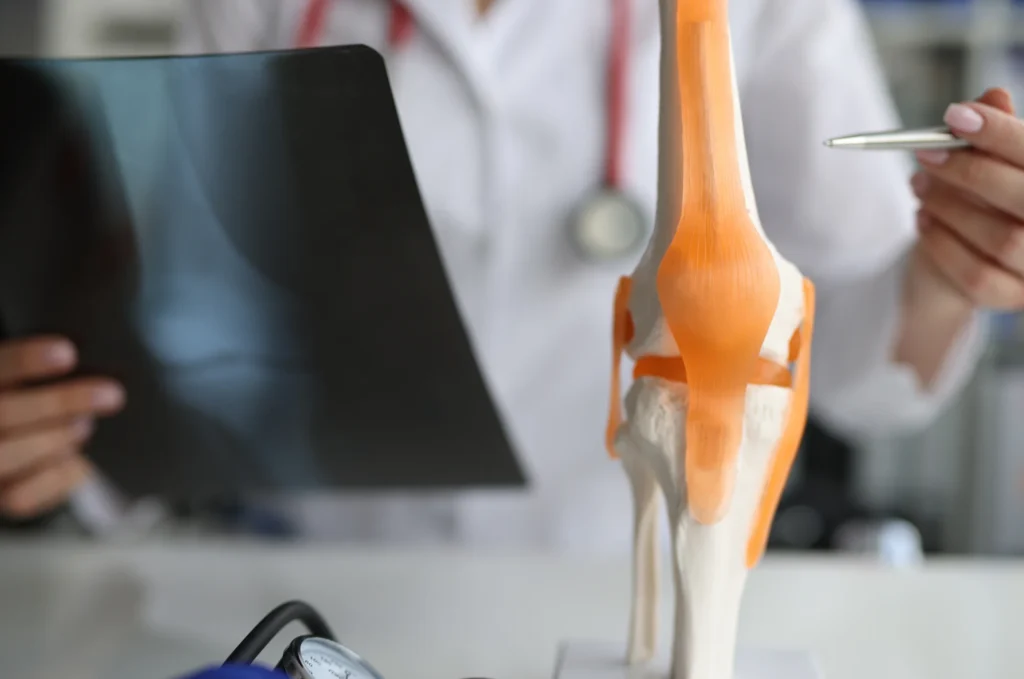
Imaging may be needed when symptoms are severe, unclear, traumatic, or not improving. X-rays or MRI can help identify cartilage changes, bone issues, swelling, or other causes of knee pain. Imaging works best when combined with symptoms, exam findings, and functional goals.