

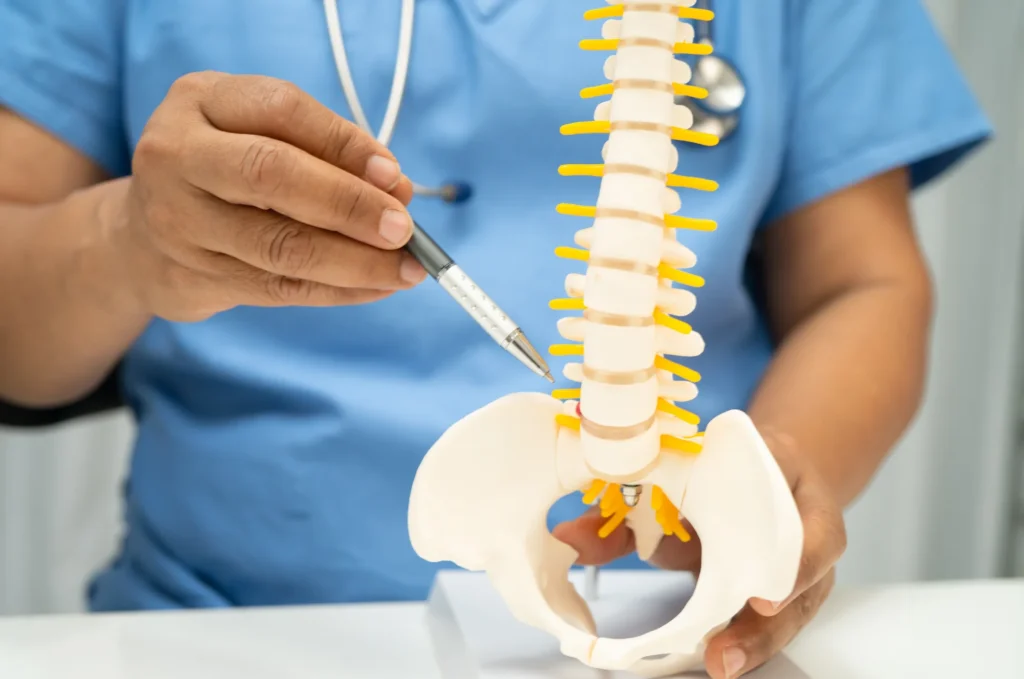
At ITNYCPT in New York City, physical therapy for degenerative disc disease is part of outpatient care. A New York State licensed physical therapist guides each treatment plan. Keith Chan also served as the subject matter expert for this article.
Key Takeaways
- Degenerative disc disease physical therapy treatment can help reduce pain and stiffness, improve movement, and support daily activities, but it does not reverse disc aging.
- PT for degenerative disc disease works best when the treatment plan matches the person’s symptoms, health history, range of motion, strength, and activity goals.
- Exercises for degenerative disc disease often include low-impact cardio, gentle mobility, stretching, and strengthening work for the core, hips, and spine-supporting muscles.
- Some movements may need adjustments during flare-ups, including heavy lifting, rapid bending, twisting under load, and prolonged sitting without position changes.
- Recovery timelines vary, but mild flare-ups may improve within 2 to 6 weeks, while longer-lasting pain or nerve symptoms may take 8 to 12 weeks or several months of steady care.
Does PT Help Degenerative Disc Disease?
Yes, physical therapy can help with degenerative disc disease. It can reduce stiffness and weakness. It can improve movement tolerance. It can also ease pressure on sensitive spinal structures.
A physical therapist may use education, manual therapy, exercise, and activity changes to help the person move with less pain. The goal is not to “fix” the spinal disc, but to reduce pressure, improve function, and support better movement.
The question “Can physical therapy help degenerative disc disease?” depends on symptoms, health history, and exam findings. Some people feel pain mainly when sitting, lifting, or bending. Others feel symptoms travel into the buttocks or legs when a nerve root becomes irritated.
What Degenerative Disc Disease Means
Degenerative disc disease (DDD) means that an intervertebral disc has changed over time. The disc sits between spinal bones and helps absorb force during movement. These changes may include reduced disc height, lower water content, or irritation around the spinal disc.
Disc changes do not always cause pain. Degenerative disc diseases can appear on imaging as part of aging, but an MRI does not always explain how someone feels. That is why PT care looks at movement, strength, range of motion, symptoms, and daily function.
Risk Factors and Symptom Patterns
Risk factors for degenerative disc symptoms can include age, prior injury, smoking, repetitive heavy loading, low activity levels, and genetic factors. Work demands, sleep, stress, and general fitness may also affect how the body responds to disc changes. These factors do not guarantee pain, but they can shape symptom patterns.
PT for degenerative disc disease may help when pain and stiffness limit walking, sitting, lifting, work, exercise, or other daily activities. Pain may feel local in the back, or it may spread into the hip, buttock, thigh, or lower leg. A treatment plan should match the person’s symptoms rather than rely on a single standard approach.
What Physical Therapy Treatment Includes
Physical therapy treatment usually starts with a history, movement screen, strength testing, range-of-motion check, and goal setting. The PT asks what makes symptoms better or worse and how pain affects daily activities. From there, the plan changes based on progress, tolerance, and goals.
Common parts of care may include:
- Mobility work to improve useful movement
- Core and hip strengthening to support the spine
- Manual therapy to reduce guarding or improve motion
- Posture and body mechanics education
- A home exercise program for carryover between visits
Pilates-based therapeutic exercise may also support core muscles, control, mobility, and return to activity, and some patients may benefit from learning how Pilates reduces back pain as part of a broader rehab plan.
In some cases, treatment may also include movement strategies, manual therapy, and activity changes that help calm irritated tissues and reduce inflammation during symptom flare-ups.
Graston Technique may be used as one soft-tissue tool when stiffness or tissue sensitivity is present on exam. These are treatment options, not required steps for every person.

Degenerative Disc Disease Physical Therapy Exercises and Stretches
Degenerative disc disease PT exercises often focus on low-impact cardio, gentle mobility, and strengthening the muscles that support the spine.
The best exercises for degenerative disc disease depend on pain level, symptom location, range of motion, and how the body responds after activity. A safe exercise program usually starts with simple movements and progresses over time.
Stretches for degenerative disc symptoms should feel gentle and controlled. Gentle stretches can help reduce pain and stiffness, improve posture, and support daily activities without adding excessive stress to the spinal discs. Stop or modify any movement that causes sharp pain, spreading symptoms, numbness, or more pressure near a nerve root.
Here are 10 common exercises and stretches that may be used in PT for degenerative disc disease:
1) Walking
Walking is one of several lower back pain relief exercises that may help many people stay active without placing a heavy load on the spine. It can improve circulation, reduce stiffness, and support spine health. A physical therapist may suggest short walks first, then increase time based on symptoms.

2) Stationary Cycling
Stationary cycling can support low-impact movement when walking feels uncomfortable. It may help improve overall endurance while limiting repeated impact through the spine. Seat height and posture matter because excessive forward bending may bother some people.
3) Pelvic Tilts
Pelvic tilts help improve control of the lower back and pelvis. The person gently rocks the pelvis while lying on their back, which can improve range of motion and reduce guarding. This movement is often used early because it teaches spine control without heavy loading.

4) Cat-Cow Mobility
Cat-cow is a gentle spine mobility exercise done on hands and knees. The person slowly rounds and arches the back within a comfortable range. This can help with pain and stiffness, but the movement should stay slow and pain-free.
5) Knee-to-Chest Stretch
The knee-to-chest stretch can help some people reduce low back tension. The person brings one knee toward the chest while lying down, then holds the stretch gently. This stretch should not increase leg pain or nerve symptoms.
6) Hamstring Stretch
A hamstring stretch may help if the tightness changes how the pelvis and low back move. The person can use a strap while lying on their back to raise one leg until a mild stretch is felt. This should feel like a gentle pull, not sharp pain.

7) Hip Flexor Stretch
Hip flexor tightness can affect posture, walking, and lower back comfort. A gentle kneeling or standing hip flexor stretch may help reduce pressure on the lower back during standing and walking. The person should keep good posture and avoid arching the back.
8) Glute Bridge
A glute bridge strengthens the hips and helps support the lower back. The person lies on their back, bends their knees, and lifts their hips while keeping the movement controlled. This exercise can help with strengthening the muscles that support lifting, walking, and climbing stairs.
9) Bird Dog
Bird dog trains balance, core muscles, and spine control. The person starts on hands and knees, then slowly reaches one arm and the opposite leg while keeping the trunk steady. This exercise should focus on control, not height or speed.
10) Modified Squat or Sit-to-Stand
A modified squat or sit-to-stand helps build strength for daily activities like getting out of a chair, climbing stairs, and lifting light objects. The person can start from a higher chair and use slow, controlled movement. This is often safer than jumping into heavy weight lifting too soon.

Weightlifting is not inherently unsafe for people with disc degeneration, but it should align with their symptoms, strength, and training history. Many people need changes in load, form, speed, depth, or exercise choice. Heavy lifting during a flare-up may need temporary changes before returning to harder tasks.
Things to Avoid with Degenerative Disc Disease
Things to avoid with degenerative disc disease are usually activities that repeatedly trigger symptoms or overload the spine too quickly.
Movements that may need changes include:
- Fast bending under load
- Twisting while lifting
- Heavy lifting during flare-ups
- Deep-loaded flexion can worsen symptoms
- Long sitting without position changes
Good posture can help some people reduce symptom triggers, and physical therapy for bad posture may help when sitting, standing, lifting, or work habits keep irritating the back.
The goal is to improve posture enough to make sitting, standing, lifting, and working feel easier. Movement variety often matters more than holding one “perfect” position all day.
Life Expectancy and Recovery Timeline
Life expectancy with degenerative disc disease is usually not reduced by the disc condition itself. DDD is not usually life-threatening, but symptoms can affect movement, work, sleep, exercise, and quality of life.
Recovery timelines vary. Mild flare-ups may improve within 2 to 6 weeks, while longer-lasting pain or nerve symptoms may take 8 to 12 weeks or several months of steady care. Progress depends on symptom severity, nerve involvement, consistency, health history, job demands, sleep, and the right exercise progression.
When to Seek Medical Care
Medical care is important when symptoms change quickly or suggest a serious problem. Seek urgent care for new loss of bladder or bowel control, numbness in the groin area, major leg weakness, fever with severe back pain, or pain after serious trauma. These symptoms need prompt medical review.
Imaging may help when symptoms are severe, progressive, linked to trauma, or not improving after appropriate care. It may also help when nerve symptoms worsen. Imaging should support clinical decision-making, not replace a careful exam.