
ITNYCPT is an outpatient physical therapy clinic in New York City. Keith Chan, a New York State licensed physical therapist, provided clinical context for this guide.
This article explains what physical therapy may improve. It also explains what it cannot change. It lists exercises that may help you control your hip and knee.
Key Takeaways
- Physical therapy may help genu valgum when knee position is affected by strength, balance, movement control, or soft-tissue tightness.
- Exercise can improve knee control and reduce symptoms, but it may not fully change bone alignment in adults.
- Exercises for knock knees often focus on the hips, glutes, thighs, calves, and feet to improve how the hip and knee move together.
- Children with knock knees may improve with growth, but a medical provider should check severe, painful, or worsening alignment.
- Safe progress usually takes repeated practice over weeks or months, not a one-day correction.
Can Physical Therapy Help Genu Valgum?
Yes. Physical therapy may help with genu valgum when the main issues involve strength, balance, movement control, or soft-tissue tightness. It cannot reshape bones in adults, but it may improve how the knee joint moves during walking, on stairs, in squats, and during exercise.
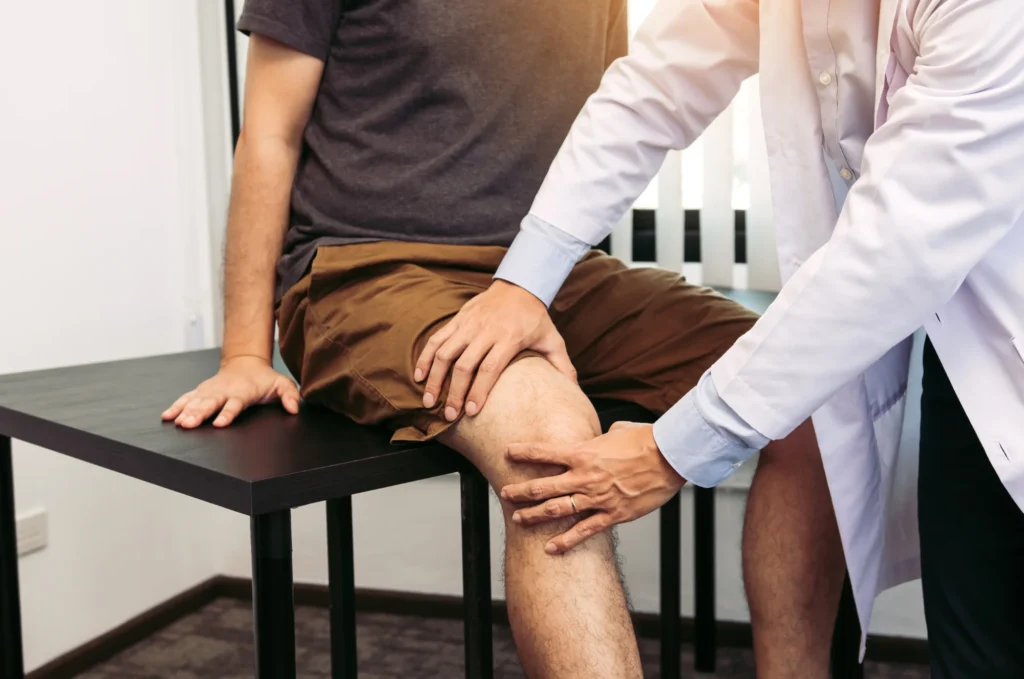
A PT evaluation usually includes health history, movement testing, strength checks, range-of-motion screening, and goal setting.
Physical therapy helps knock knees by training the hip, thigh, knee, and ankle to work together, which is also important in related conditions such as runner’s knee. The goal is not to force the legs straight. The goal is to strengthen the muscles that control knee position and reduce inward knee collapse during activity.
Physical therapy cannot fully correct structural genu valgum caused by bone shape, growth plate changes, or severe joint deformity. Some people need monitoring, imaging, bracing, guided growth surgery, or other treatment options. This is why a clear evaluation matters before choosing exercises.
What Genu Valgum Means
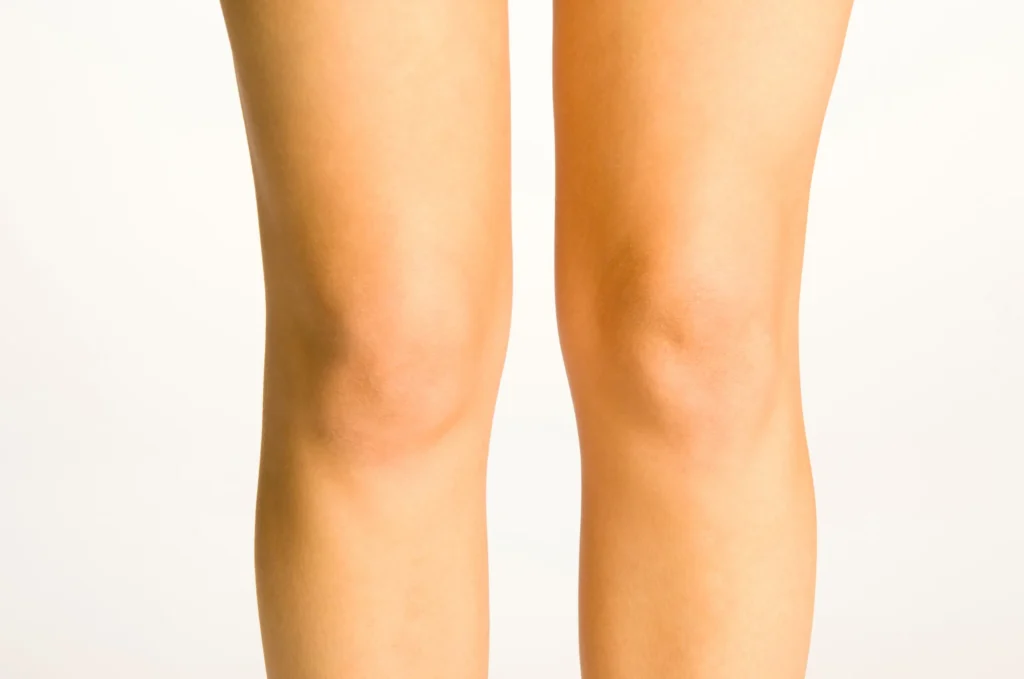
Genu valgum is the medical term for knock knees. In knock-knee (genu valgum), the knees angle inward while the lower legs angle outward. A person may notice this while standing, walking, squatting, running, or climbing stairs.
Genu valgum and genu varum describe opposite alignment patterns. Genu varum means bow legs, where the knees stay farther apart while the ankles may come closer together. Treatment for genu valgum and genu varum depends on age and symptoms. It also depends on bone alignment and whether the issue is structural or movement-based.
Structural alignment refers to bone shape and joint position at rest. Movement-based alignment refers to how the knee moves during activity. For example, a female patient may squat while standing in front of a mirror. Physical therapy often focuses on movement-based alignment because control can improve with repeated practice.
Genu Valgum Causes and Adult Cases
Genu valgum causes vary by age. Young children often show knock knees as part of normal growth, and many cases improve as the legs develop. Adults may have genu valgum due to arthritis, prior injuries, muscle imbalances, joint laxity, or long-term loading patterns.
Common factors include:
- Weak hip muscles that allow the knee to move inward
- Tight thigh muscles, calves, or hip flexors that affect movement
- Foot and ankle mechanics that change knee loading
- Past injury, arthritis, or bone conditions
- Differences between the left leg and the right leg
Genu valgum in adults is more likely to result from a fixed structural abnormality or joint wear. Physical therapy may still help with hip and knee pain, leg pain, balance, walking, and daily function. The goal is usually better control and less stress across the knee and ankle, not a guaranteed change in leg shape.
Valgus Deformity Knee Treatment Options
Treatment for valgus knee deformity depends on age, severity, pain, function, and cause. Mild cases may respond to education, exercise, and monitoring. More severe cases may need medical review, imaging, bracing, or surgical discussion.
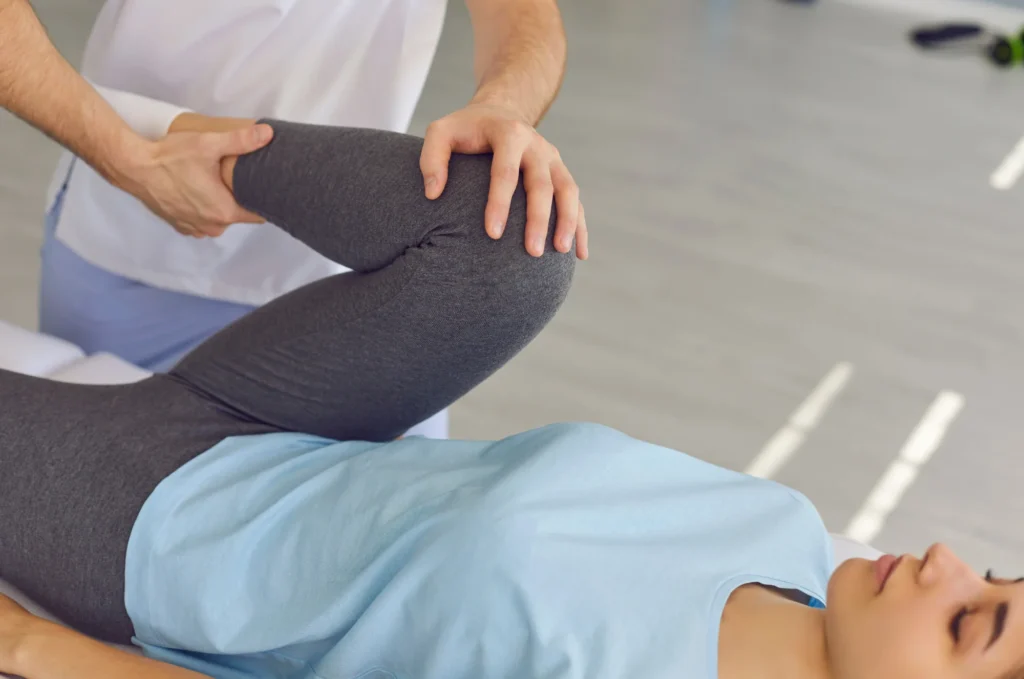
Physical therapy often starts with controlled exercise that teaches the hip and knee to move together. A one-on-one session with a licensed Physical Therapist may include strength work, balance drills, mobility work, manual therapy, and movement retraining. Pilates-based therapeutic exercise may also support core strength, control, mobility, and return to activity.
Some children only need monitoring because alignment may change with growth. Bracing may be considered in select cases under medical guidance. Guided growth surgery may be discussed for some children with significant deformity who still have growth remaining.
Genu Valgum Treatment Physical Therapy Exercises
Genu valgum treatment physical therapy exercises usually target the hips, glutes, quadriceps, hamstrings, calves, and feet. These exercises for knock knees aim to improve control rather than force the knees into a new position. Pain should not increase sharply during or after exercise.
Useful options may include:
- Sit-to-stand or box squats: Sit back to a chair and stand while keeping the knees over the middle toes. Try 2 to 3 sets of 8 to 12 reps.
- Band side steps: Place a light band above the knees, bend slightly, and step sideways without letting the knees collapse inward. Try 2 sets of 8-12 steps each way.
- Glute bridges: Lie on your back with knees bent and feet flat. Lift the hips, hold for 2 to 3 seconds, then lower slowly, performing 2 to 3 sets of 10 reps.
- Step-downs: Stand on a low step and slowly lower one heel toward the floor. Keep the hip and knee steady, and begin with 2 sets of 6-10 reps per side.
Stretches for knock knees may focus on the calves, hip flexors, hamstrings, and inner thigh if these areas limit motion.
A calf stretch can be done against a wall with one foot back and the heel down for 20 to 30 seconds. A hip flexor stretch may help if the front of the hip feels tight during standing or walking.
Genoux valgum exercises are another way people search for exercises for genu valgum. The idea is the same: improve hip control, thigh strength, ankle control, and movement quality. A plan should change over time as strength, symptoms, and activity goals change.
Can You Correct Knock Knees With Exercise?
Some people can improve knee control and reduce symptoms with exercise, especially when the issue is movement-based.
It is less accurate to say everyone can correct knock knees with exercise, because bone alignment may not fully change. A better question is whether knock knees can be corrected enough to improve comfort, function, and control.
Results depend on cause, age, consistency, strength level, pain sensitivity, sleep, workload, and health history.
Some people notice improved control within a few weeks, while strength and movement changes often take several months. Searches like “how to fix knock knees in a day” reflect a common myth, as safe change requires repeated practice.
When to See a Doctor
See a doctor if knee pain is severe, swelling appears, walking changes quickly, or pain follows trauma. Parents should seek medical guidance if young children have severe asymmetry, worsening alignment, pain, or trouble walking.
A physical therapist can screen movement, but a medical evaluation is important when symptoms suggest a structural, inflammatory, or injury-related cause. Readers with general rehab questions can also review these knee therapy and rehab FAQs.