


Recovery from a hip fracture depends on fracture type, whether surgery was involved, and how consistently rehab is pursued. Physical therapy for hip fractures is important at every stage, from the first days after injury to outpatient care.
Keith Chan, a New York State licensed physical therapist at ITNYCPT in New York City, works with patients through exactly this kind of recovery. At ITNYCPT, hip and knee pain are among the primary conditions treated in outpatient physical therapy.
Key Takeaways
- Physical therapy is the standard of care after a hip fracture, not an optional step, and starting it within the first days after surgery leads to faster mobility recovery than delaying.
- Most hip fractures require surgery, but nondisplaced fractures can heal without it. In both cases, PT begins as soon as the patient is medically stable and focuses on movement, circulation, and muscle preservation from day one.
- Recovery follows three phases – acute in-hospital care, sub-acute strengthening and gait work, and functional return to daily life – with exercises progressing from bed-based movements to full weight-bearing activity as bone healing is confirmed.
- Older adults face a higher risk of decline after a hip fracture due to pre-existing muscle loss, low bone density, and fear of falling. Still, consistent PT with progressive resistance and balance training directly addresses each of those factors.
- Roughly half of patients who undergo hip fracture surgery do not fully regain their prior level of independence, making realistic expectations, early rehabilitation, and fall prevention strategies important parts of long-term recovery planning.
Does Physical Therapy Help a Fractured Hip?
Yes. Physical therapy restores strength, mobility, and balance after a broken hip, reduces complications from immobility, and lowers the risk of a future fall. The 2021 Clinical Practice Guidelines from the American Physical Therapy Association classify PT as the standard of care in hip fracture rehabilitation.
Why Is a Hip Fracture So Dangerous?
Risks of Immobility and Complications
Extended bed rest quickly weakens muscles and increases the risk of deep vein thrombosis (DVT), in which blood clots form in the legs as blood vessels lose stimulation from movement. Pressure ulcers, pneumonia, and cognitive decline are additional complications tied to immobility.
Why Early Treatment Matters
Starting PT early stimulates circulation, slows muscle loss, and supports fracture healing. Patients who begin physical therapy within the first days after surgery recover mobility faster than those who delay.
Who Needs PT, When It Starts, and What to Expect
Fractured Hip Recovery After Surgery
Most hip fractures require surgery, either internal fixation (rods, screws, or plates) or hip replacement, when the hip joint is too damaged to be preserved. After hip fracture surgeries, PT typically begins the same day or the day after. The immediate focus is getting the patient out of bed, standing, and taking assisted steps.
Treatment for a Broken Hip Without Surgery
Nondisplaced fractures may be managed as treatment for a broken hip without surgery. The patient avoids putting weight on the affected side for several weeks while the healing process progresses.
PT targets the surrounding joints and muscles to maintain circulation and prevent stiffness, as movement increases blood flow to the injury site via local blood vessels.
Why Early Mobilization Matters
Getting patients moving early reduces DVT risk, muscle loss, and functional decline. Clinical guidelines recommend assisted movement out of bed as soon as possible, regardless of whether surgery was involved.
What Happens at Your First PT Evaluation
The physical therapist conducts a comprehensive evaluation that includes health history, movement screening, strength testing, and fall risk assessment. From there, they set individualized goals and develop a plan of care that is adjusted as the patient progresses.
The Phases of Hip Fracture Rehabilitation
Phase 1: Acute Recovery (In-Hospital)
PT begins immediately, with safe transfers, basic mobility using assistive devices, and gentle exercises to maintain circulation. The therapist provides a home exercise program before discharge.
Phase 2: Sub-Acute Rehab (Skilled Nursing or Outpatient)
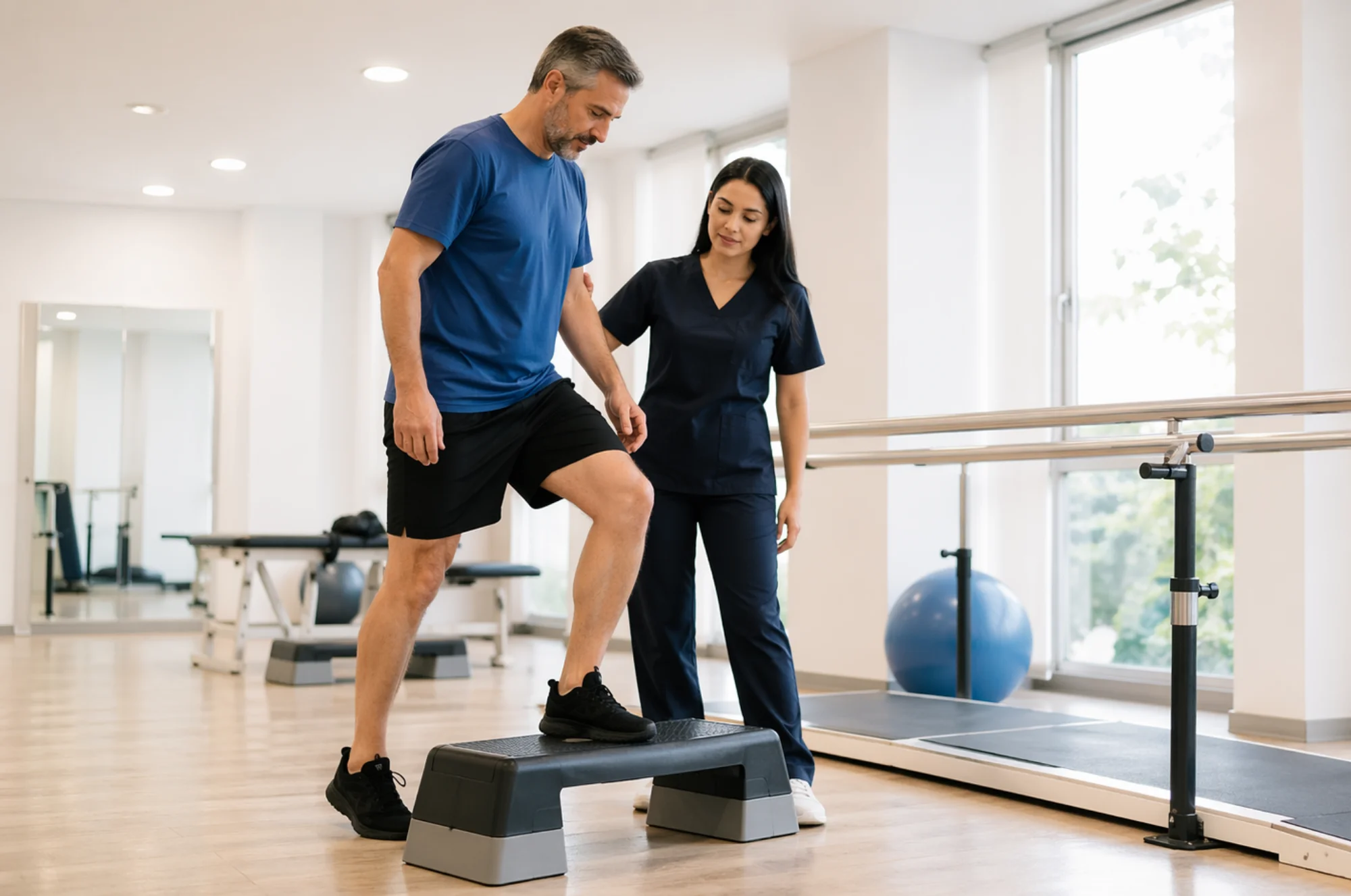
Outpatient PT at a clinic like ITNYCPT involves one-on-one sessions with a licensed physical therapist, where a structured rehabilitation program of progressive strengthening, balance training, and gait work drives most of the functional rebuilding.
Phase 3: Functional Recovery and Return to Daily Life
Later sessions target stairs, vehicles, and longer distances. Pilates-based therapeutic exercise may be incorporated to improve core strength and movement control. Reassessment keeps the plan aligned with current ability.
What Physical Therapists Work on During Recovery
Physical therapists address several overlapping goals during fractured hip recovery:
- Strength and range of motion – Progressive resistance exercises rebuild hip, thigh, and core strength and improve range of motion. Patients can lose more than half their muscle strength in the injured leg within the first post-surgical weeks.
- Gait training – teaches patients to bear weight evenly and walk with proper alignment, protecting the hip joint over the long term.
- Balance and fall prevention – Single-leg standing, weight shifting, and home environment assessments reduce the risk of a second fracture.
- Pain management – Manual therapy, ice, and heat manage discomfort. The Graston Technique may be used when soft tissue restrictions limit mobility.
Physical Therapy Exercises for a Hip Fracture or Broken Hip
Bed Exercises for a Broken Hip (Early Stage)
Ankle pumps, quad sets, and heel slides are standard early-stage exercises, performed in bed with no weight through the hip joint. They keep tissue active while broken bones begin to heal.
Exercises for a Broken Hip and Femur
Straight-leg raises, clamshells, and hip-abduction movements strengthen the muscles that support the hip joint and stabilize the pelvis during walking.
Weight-Bearing Exercises After a Hip Fracture
Sit-to-stand practice, step training, and walking with decreasing levels of assistive support are standard post-surgery rehabilitation exercises that are introduced once imaging confirms bone healing. Progression is gradual and based on surgical guidelines.
How Long Does Recovery Take?
Realistic Milestones to Expect
Most patients regain basic walking ability within six to nine months. Basic daily tasks typically recover within four months. Full lower limb strength can take up to a year. Recovery times vary considerably from individual to individual.
Factors That Affect Recovery Time
Age, bone density, fracture type, overall health, and consistency with the rehabilitation program all shape outcomes. Home exercise carryover is one of the most controllable variables in recovery speed.
Rehab for a Broken Hip in Elderly Patients
Why Do Elderly Patients Decline After a Hip Fracture?
Older adults often have less muscle mass and lower bone density before the injury. Immobility accelerates deconditioning rapidly in this group, and fear of falling further reduces activity, creating a cycle of weakness and elevated risk.
How PT Addresses Decline in Older Adults
PT for older adults uses progressive resistance training, balance work, and functional mobility training matched to the individual’s starting point. Frequency and consistency of sessions are among the strongest predictors of outcomes.
The Role of the Multidisciplinary Care Team
Recovery works best when PT is coordinated with the full care team, which typically includes the orthopedic surgeon, a geriatrician, occupational therapists, a nutritionist, and a social worker. The physical therapist contributes strength, mobility, and fall risk assessments that inform the broader plan.
Physical Therapy for a Hip Stress Fracture
How a Stress Fracture Differs From a Traumatic Fracture
A stress fracture is a small crack caused by repetitive force rather than a single traumatic event. Hip stress fractures most often occur in the femoral neck and are common in runners and people with low bone density.
How PT Approaches Stress Fracture Recovery
PT starts with reduced or non-weight-bearing activity, then corrects the biomechanical factors behind the fracture. Returning to full activity too quickly is the most common reason stress fractures recur.
Healing of Pelvic Fractures: How PT Differs
When the Pelvis Is Involved
The healing of pelvic fractures follows a process similar to hip fractures, but the rehab pathway differs based on fracture location and stability. Pelvic fractures are common in older adults with low bone density and carry similar risks of immobility.
Weight-Bearing Restrictions and What They Mean for Rehab
Strict non-weight-bearing for six or more weeks limits early PT options. Sessions focus on upper-body conditioning and range-of-motion work for adjacent joints until imaging confirms that the healing process allows progressive weight-bearing.
Does a Fractured Hip Ever Fully Heal?
What the Research Says
The bone typically heals within three to four months. Most walking and balance recovery occurs within six to nine months, provided rehabilitation is consistent.
Why Outcomes Vary
Roughly half of those who undergo surgery do not fully regain their previous independence. Mortality rates in the year following a hip fracture remain elevated, particularly in older adults with multiple health conditions. Age, cognitive status, pre-existing conditions, and access to rehab all affect long-term quality of life outcomes.
Reducing the Risk of Another Fracture
Vitamin D, Calcium, and Bone Health
Vitamin D and calcium support bone density and reduce fracture risk. Deficiencies are common in older adults. A doctor or dietitian can assess levels and recommend appropriate intake. Low bone density also slows the repair of broken bones, making it relevant to the healing process, not just prevention.

Fall Prevention Strategies
Most hip fractures result from falls. A complete approach combines strengthening and balance training with a medication review and practical home modifications, such as removing trip hazards, improving lighting, and installing grab bars in bathrooms and on stairways.