


Naming a disease such as osteoarthritis, or confirming a fracture, belongs to a physician who can order imaging and tests. A physical therapist instead identifies what limits movement, such as weak muscles, stiff joints, or poor balance, and builds a treatment plan around those findings.
New York law supports this role by defining physical therapy to include tests and measurements that assist in diagnosis. When findings point beyond movement, such as unexplained weight loss or signs of infection, the therapist refers the patient to a physician.
Keith Chan, a New York State licensed physical therapist, is the subject matter expert for ITNYCPT, an outpatient clinic in New York City. This guide covers where the line sits, how an evaluation works, and when a doctor needs to step in.
Key Takeaways
- Physical therapists diagnose movement and function problems, such as limited joint motion or muscle weakness, but they do not diagnose diseases.
- A physical therapy diagnosis shows what limits movement and guides exercise and hands-on care, while a physician’s diagnosis names the cause and guides medication, imaging, and surgery.
- New York allows patients to start physical therapy without a referral for up to 10 visits or 30 days, whichever comes first. Some plans, such as no-fault and workers’ compensation, still require a prescription from the start.
- A PT can test for injuries such as a torn meniscus or a rotator cuff tear, but a physician orders the imaging that confirms them. Physical therapists do not prescribe medication.
- A PT refers a patient to a physician when findings point beyond movement problems. Chest pain, sudden weakness, or loss of bladder or bowel control needs same-day emergency care.
Can Physical Therapists Diagnose? The Short Answer
Can physical therapists diagnose? Yes, they diagnose movement and function problems, but not diseases. A diagnosis names the cause or nature of a condition, and physical therapists identify the impairment limiting you, such as limited ankle motion or weak hip muscles.
New York law defines physical therapy to include tests and measurements that assist in diagnosis, so the state law includes this role.
Physical Therapy Diagnosis vs. Medical Diagnosis
A physical therapy diagnosis describes how you move, while a medical diagnosis names a disease or injury. The two work together, and each answers a different question. The table shows the main differences.
| Physical Therapy Diagnosis | Medical Diagnosis | |
|---|---|---|
| Focus | Movement and function | Disease or injury |
| Answers | What limits you | What causes it |
| Guides | Exercise and hands-on care | Medication, imaging, surgery |
| Made by | Physical therapist | Physician |
Can a PT make a medical diagnosis? No. The PT names the movement problem and decides whether it fits physical therapy or needs a physician first. That decision is part of the evaluation, not a separate diagnosis.
Physical Therapy Diagnosis vs. Medical Diagnosis Examples
Two people with knee pain can get different labels. A doctor may diagnose knee osteoarthritis (wear in the joint cartilage). The PT notes weak thigh muscles and trouble using stairs.
The first label explains the cause, and the second shows what to train. For related reading, see Does Physical Therapy Work for Arthritis Knee Pain?
Why Won’t My Therapist Tell Me My Diagnosis
Your therapist may describe findings instead of a disease name because naming the disease is your physician’s role. Ask three questions: what is the movement problem, what is driving it, and what is the plan? Those answers tell you what the therapist found and what happens next.
Are Physical Therapists Allowed to Diagnose
Yes, New York allows physical therapists to evaluate and diagnose movement problems within a defined scope. The state’s Education Law sets that scope around physical means such as exercise, massage, and measured tests. Physical therapists must also practice within their personal scope of competence, so they refer out what falls beyond it.
Do You Need a Referral in New York
Often no: New York lets you start physical therapy without a referral for up to 10 visits or 30 days, whichever comes first. The evaluating PT must have three years of practical experience and a current New York license.
After that window, a physician, nurse practitioner, or other licensed provider must refer you to continue. Some plans, such as no-fault and workers’ compensation, still require a prescription from the start, so check your coverage.
Can Physical Therapists Order Imaging
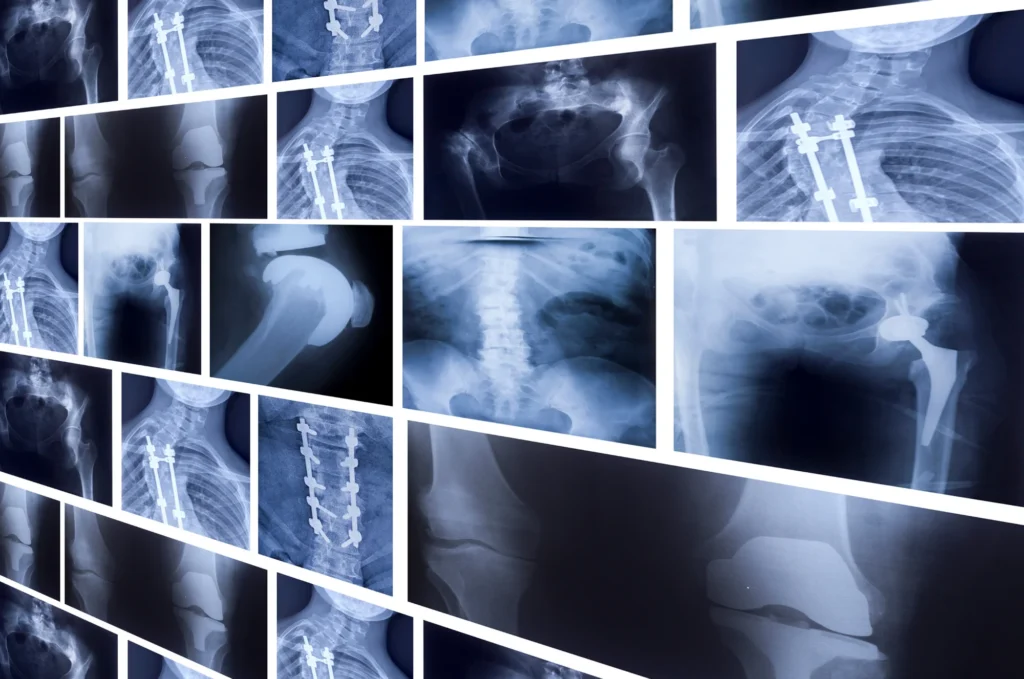
New York law does not list ordering imaging within physical therapy scope, and the statute excludes the use of X-rays. A PT can send exam findings to your physician. Your physician decides whether an X-ray or MRI is appropriate.
Can Physical Therapists Prescribe Medication
No, physical therapists do not prescribe medication. Their treatment relies on movement, hands-on techniques, and education. If medication could help your pain, a physician or nurse practitioner makes that call.
How Physical Therapists Evaluate Your Condition
A PT evaluation is a comprehensive assessment that turns your symptoms into a clear picture of how you move. At ITNYCPT, a licensed physical therapist provides care, and one-on-one sessions are available upon request. If you already have a diagnosis, your PT starts from it and checks whether the exam matches. Most evaluations follow four steps:
- Medical history: past injuries, surgeries, medications, and other health conditions.
- Physical examination: posture, joint motion, strength, and pain response.
- Movement screen and testing: walking, squatting, reaching, and balance, plus special tests for specific structures.
- Goal setting: what you want to do again, such as climbing stairs or running.
The therapist then writes a plan of care that sets your treatment plan, visit schedule, and exercises. Because the plan is patient-centered, therapy interventions shift as you improve, from protecting the area to building strength and returning to activity.
Pilates-based therapeutic exercise and manual therapy may be part of the rehabilitation plan when findings support them. Reassessment and home exercises sustain progress, and timelines vary with injury severity, workload, sleep, and consistency.
Examples of Physical Therapy Diagnosis
Physical therapy diagnoses describe what is limited, not the underlying disease. Each one points to a treatment plan. For background on modern care, see What Is Physical Therapy Nowadays and How Does It Work. Common examples include:
- Shoulder motion restriction with pain on lifting
- Gait (walking pattern) abnormality
- Quadriceps weakness after knee surgery
- Lower back stiffness with limited bending
- Reduced balance and coordination
Can a Physical Therapist Diagnose Injuries
Yes, a PT can assess injuries to muscles, tendons, ligaments, and joints by testing how they function. Can a physical therapist diagnose injuries the way a physician does? Not fully, since confirming a fracture or complete tear often needs imaging.
The next three examples follow the same pattern: the PT tests, and your physician orders imaging when needed. Severity, your goals, and your health history shape the physical therapy treatment that follows.
Can a Physical Therapist Diagnose a Knee Injury
Yes, a PT can assess a knee injury by testing swelling, motion, strength, and stability. They also watch how the knee handles walking, squatting, and stairs. A locked knee, sudden swelling, or inability to bear weight calls for medical evaluation first. For more, see Hip & Knee Pain in Manhattan.
Can a Physical Therapist Diagnose a Torn Meniscus
A PT can test for signs of a torn meniscus (the cartilage cushion in the knee). Special tests, such as twisting movements and joint-line tenderness, help judge the likelihood. Your physician decides whether an MRI is needed, and some tears improve with exercise-based rehabilitation.
Can a Physical Therapist Diagnose Rotator Cuff Tears
A PT can assess a rotator cuff tear by testing shoulder strength, range of motion, and pain. Weakness when lifting the arm and night pain are common clues. Soft tissue work, including Graston Technique when it fits, may support exercise-based rehabilitation.
Conditions That Overlap with Medical Care
Some medical conditions sit between physical therapy and medicine. For these, the PT screens and measures, and a physician diagnoses. Two common examples follow.
Can Physical Therapists Diagnose EDS or Hypermobility
A PT can assess joint hypermobility (joints that move past the usual range), but a physician diagnoses Ehlers-Danlos syndrome (EDS). The therapist may use the Beighton score, a nine-point test of joint laxity, and record the results. Therapy then focuses on strength and joint control.
Can a Physical Therapist Diagnose Thoracic Outlet Syndrome
A PT can screen for thoracic outlet syndrome, which involves compressed nerves or blood vessels near the collarbone. Arm numbness, tingling, and heaviness with overhead use are common clues. Findings guide whether therapy fits or testing should come first.
How Physical Therapists Work with Doctors
Physical therapists and physicians split the work by role. The PT tests movement and tracks progress, and the physician diagnoses disease and orders tests. Take a patient with arm numbness that follows a clear pattern.
The PT records the findings and sends a note. The physician then decides on nerve testing. The benefits of physical therapy, such as better movement and quality of life, depend on matching the treatment to the right problem.
When a Physical Therapist Refers You Out
A PT refers you to a physician when findings point beyond movement problems or do not match the expected pattern. Examples include symptoms that do not change with movement, unexplained weight loss, or signs of infection. The therapist explains the concern and shares notes with your doctor.
When to Seek Urgent Care
Some symptoms need same-day medical care. This list is general and does not replace medical advice. Call 911 or go to an emergency room for these signs:
- Chest pain or trouble breathing
- Sudden weakness, facial droop, or trouble speaking
- Loss of bladder or bowel control, or numbness in the groin
- A deformed limb or inability to bear weight after an injury
- Fever with a hot, swollen joint

Medical Review and Sources
Keith Chan is the subject matter expert for this guide. He is a New York State-licensed physical therapist with over 10 years of experience treating many patients. He holds a Master’s degree in Physical Therapy from CUNY Hunter College and is a Graston Technique provider.
Outcomes and timelines vary, so this guide provides general education, not medical advice. Sources for the New York scope, referral, and imaging statements include Article 136, Physical Therapy and Physical Therapist Assistants, the NYS Physical Therapy Frequently Asked Practice Questions, and Physical Therapist Practice and the Role of Diagnostic Imaging. Rules can change, so check the current pages on the New York State Education Department website.