


Keith Chan is a subject matter expert at ITNYCPT. It is an outpatient physical therapy clinic in New York City. He is also a New York State licensed physical therapist. This guide covers limits, warning signs, and care options, and results vary with the cause of the cyst.
Key Takeaways
- Gentle walking is usually fine with a Baker’s cyst as long as it stays comfortable, and complete rest is not usually advised.
- Use pain as your guide: mild aching that settles quickly is usually acceptable, while sharp pain, building swelling, or soreness into the next day means you did too much. A common starting point is 5 to 10 minutes on flat ground, with a few minutes added gradually.
- Stairs, hills, uneven ground, deep squats, running, and kneeling are the most common aggravators, so pause them while the knee is irritated.
- Swelling in your leg, worsening calf pain, or warm, red skin can signal a blood clot or a ruptured cyst, so have a doctor check your leg before you keep walking. Chest pain or shortness of breath with leg symptoms is an emergency.
- A Baker’s cyst usually improves as the underlying knee problem is treated, but the NHS says it can take a few months to a few years, so timelines vary.
Walking Is Often Fine with a Baker’s Cyst
Walking is often fine with a Baker’s cyst when it feels comfortable. Gentle physical activity keeps the knee joint moving and helps maintain range of motion. Complete rest is usually not advised. Pain, swelling, and the cause of the cyst determine what’s right.
Others type “is walking good for a Baker’s cyst in the knee,” since the cyst sits just behind the joint. Some ask “is walking good or bad for a Baker’s cyst?” The short answer is the same: walking helps when the knee stays comfortable and hurts when it brings on sharp or worsening pain.
How Much Walking Is Too Much
No single distance suits everyone, so use pain as your guide. Mild aching that settles within an hour is usually acceptable. Sharp pain, building swelling, or soreness that lasts into the next day means you did too much.
Compare a 10-minute walk to the subway with a long day of errands, because the load differs. Short, frequent walks often feel easier than one long outing. If you have to change how you walk to feel comfortable, slow down or stop. A physical therapist can assess a limp or changed walking pattern as part of gait and balance physical therapy.
Start gradually to keep the knee calm. For example, begin with 5 to 10 minutes on flat ground once or twice a day. If the knee feels the same or better the next morning, add a few minutes every few days. If pain or swelling returns, go back to the last amount that felt fine.
What Not to Do When You Have a Baker’s Cyst
Avoid activities that repeatedly load a painful, swollen knee. Deep squats, running, and kneeling often increase pain and swelling. Pushing through pain can prolong irritation. Changing your routine for a while is a normal part of care.
Does Walking Aggravate a Baker’s Cyst
Walking can aggravate a Baker’s cyst when the knee is already irritated, or the load is too high, and the NHS notes that symptoms may feel worse after walking. Stairs, hills, and uneven ground put more stress on the knee joint than flat, even surfaces. Fully straightening or deeply bending the knee can also raise pressure behind it. Flat paths and supportive shoes usually feel better.
Baker’s Cyst Exercises to Avoid
Avoid exercises that cause sharp pain or swelling. Which exercises to avoid with a Baker’s cyst depend on your knee and the cause of the cyst, so get guidance before rigorous weight-bearing exercise. These are common ones to pause:
- Deep squats and lunges
- Running and jumping
- Kneeling
- Heavy leg presses
What Causes a Baker’s Cyst to Flare Up
Flare-ups usually follow extra load or inflammation in the knee. Long walks, new workouts, stairs, and long standing can trigger swelling. Arthritis flares can also increase fluid production, which is why treating the underlying knee problem matters. Lighter activity and a check-in with a clinician help it settle.
Signs to Stop Walking and See a Doctor
Stop walking and see a doctor if you notice leg swelling, worsening calf pain, or numbness. The NHS also lists sudden worsening of leg pain or swelling, bruising, and warm, red, or darker skin as reasons to seek urgent care (NHS). Sudden changes matter more than slow, steady aches. A clinician can distinguish a cyst from other causes on exam.
Baker’s Cyst vs. Blood Clot
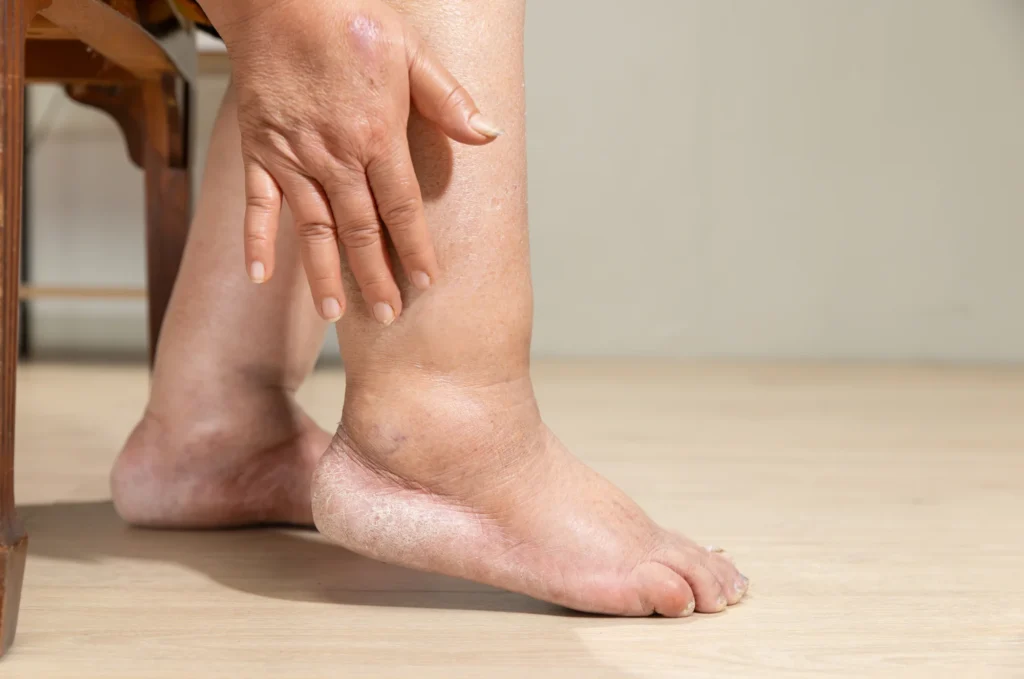
A Baker’s cyst and a blood clot can look alike, so only a clinician can tell them apart. Deep vein thrombosis is a clot in a deep leg vein, and it can cause pain, warmth, redness, and swelling in the calf muscle.
A ruptured cyst can mimic these signs, so imaging is sometimes needed to distinguish between them (StatPearls). Leg pain or swelling with chest pain or shortness of breath is an emergency, so call 911.
Is Walking Good for a Ruptured Baker’s Cyst
Walking is not a good idea right after a suspected rupture, so get the leg checked first. A rupture can cause sudden calf pain, swelling, and sometimes redness. These signs resemble a clot, so a doctor should examine the leg. Once cleared, many people return to walking gradually, though swelling can take a few weeks to go down.
Baker’s Cyst Self-Care
Baker’s cyst self-care focuses on easing symptoms while the knee settles. It combines lighter activity, cold packs, and gentle movement. Most plans stay simple and low risk. A physical therapist or doctor can confirm what fits your knee.
Baker’s Cyst Treatment at Home and Home Remedies
Baker’s cyst treatment at home starts with activity changes and cold packs. Common Baker’s cyst home remedies include the following, and each one aims to calm the knee.
- Ice wrapped in a towel for about 10 minutes at a time, repeated every few hours if needed (NHS)
- Relative rest from painful activities
- Raising your leg on a pillow
- Over-the-counter pain relief or anti-inflammatory medicine, such as ibuprofen, if it is safe for you
Baker’s Cyst Massage
Gentle Baker’s cyst massage around the cyst may ease tightness, but avoid deep pressure on the cyst itself. Light strokes on the calf and thigh can relax tight muscles. Stop if pain increases. Skip massage on a swollen, warm calf until a clinician rules out a clot.
Safe Exercises and Stretches
Safe exercise for a Baker’s cyst is gentle, pain-free movement that protects range of motion. Calf stretches, heel lifts, and hamstring stretches are common starting points, and more knee physical therapy exercises can build strength around the joint.
Stationary biking and swimming add low-impact options. Bend your knee only as far as it feels comfortable, and let a physical therapist set the amount.
How to Shrink a Baker’s Cyst Naturally
No home method reliably shrinks a Baker’s cyst, but caring for the knee often helps it settle. The cyst fills with fluid when the joint is irritated, so easing that irritation matters most. Ice, lighter activity, and strength work support that goal. A Baker’s cyst may get better on its own, and timing varies.
What Is a Baker’s Cyst
A Baker’s cyst is a fluid-filled sac behind the knee. It forms when the joint makes extra synovial fluid, and that fluid pushes into a pocket at the back of the knee. Doctors also call it a popliteal cyst, and some sources write it as Baker cyst. Baker’s cysts are common in adults with knee problems.
Symptoms of a Baker’s Cyst
Symptoms of a Baker’s cyst include a lump behind the knee, swelling, and pain or stiffness. The lump often feels firmer when the leg is straight and softer when you bend your knee. Some people feel tightness that limits range of motion. Many have no symptoms at all.
Causes and Risk Factors
Baker’s cysts usually come from another knee problem. Osteoarthritis, rheumatoid arthritis, and meniscus tears are common causes, and injuries can trigger them too. They appear most often in adults between about 35 and 70. Overuse and past knee injury can raise the odds.
How Doctors Diagnose a Baker’s Cyst
Doctors diagnose a Baker’s cyst with a history and a physical exam. They feel the back of the knee and check its range of motion. They may order an ultrasound or MRI to confirm the cyst and look for related knee damage. Imaging also helps rule out a clot.
Baker’s Cyst Treatment Options
Treatment depends on the cause, your symptoms, and your health history, so no single option fits everyone. Many people start with home care and physical therapy for a Baker’s cyst. Procedures come later if symptoms persist. A doctor guides that decision.
Best Treatment for a Baker’s Cyst
The best treatment for a Baker’s cyst depends on what drives the fluid, such as arthritis or a cartilage tear. Treating the cause often matters more than treating the cyst alone, and the NHS says symptoms usually improve when you treat the underlying condition. Age, activity level, and pain also shape the plan. Your clinician can compare each treatment option with you.
How Physical Therapy Helps
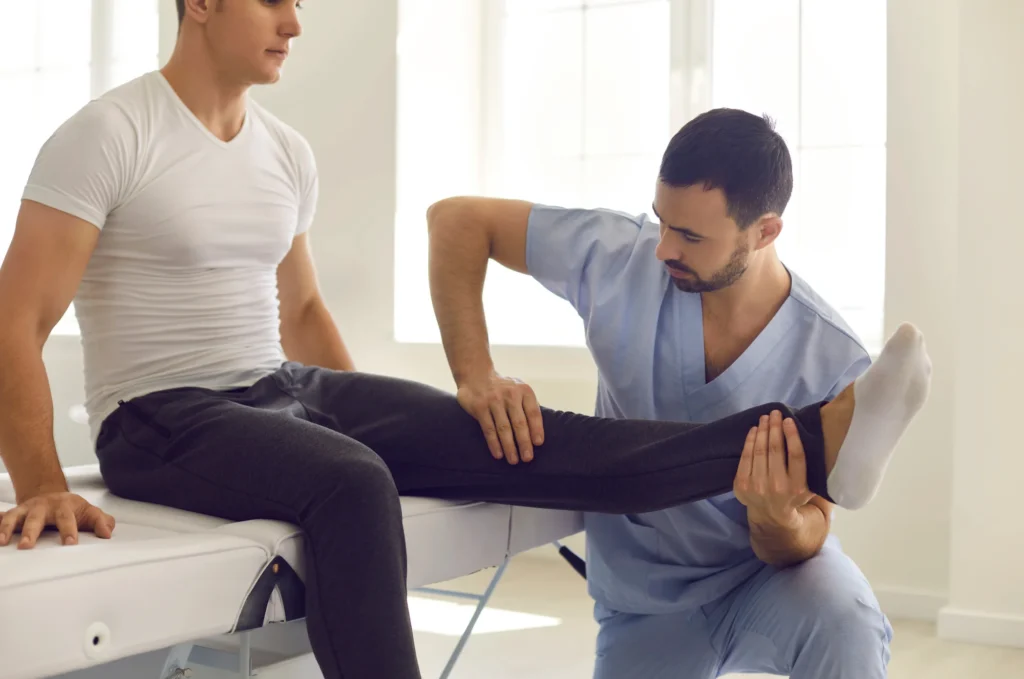
Physical therapists help by building knee strength, mobility, and control while the cyst settles. A New York State-licensed physical therapist provides care, and sessions can be one-on-one if you request it. An evaluation covers your history, a movement screen, testing, and goals.
The plan is individualized and changes as you progress, from gentle motion to strength and a return to activity. Some plans add Pilates-based therapeutic exercise for core strength and control.
Manual therapy, such as Graston Technique on tight calf or hamstring muscles, may be added, and the cyst itself is not pressed. Reassessments and home exercise programs help maintain progress.
Injections, Drainage, and Surgery
Doctors consider injections, drainage, or surgery when home care and therapy do not help. A corticosteroid injection may reduce inflammation, and a needle can drain fluid. Surgery is uncommon and is usually used to repair knee damage, such as a meniscus tear. The cyst can return after a procedure, so treating the source matters.
How Long Does a Baker’s Cyst Last
A Baker’s cyst can take a few months to a few years to get better, according to the NHS. The range is wide because the cyst depends on the underlying knee problem, and symptoms usually ease as that problem is treated. Your own timeline may differ. These points show what can change it:
- Children: cysts often settle on their own.
- No symptoms: doctors often monitor the cyst and reassure you.
- Ruptured cyst: symptoms stay worse than normal until the swelling goes down, which can take a few weeks.
- After drainage or a steroid injection: the cyst can return, more often in older adults with joint wear.
Cause, activity level, consistency with care, and health history all move these timelines. A person who walks on flat ground and follows a home program may feel better sooner than someone who keeps pushing through pain. Ask a clinician if the cyst grows, hurts more, limits walking, or does not improve with home care.
Sources
- NHS: Baker’s cyst (last reviewed June 26, 2025)
- StatPearls: Baker Cyst (Leib, Roshan, Foris, Varacallo; updated August 4, 2023)
- Medical News Today: Exercises and self-care for Baker’s cysts (medically reviewed by Daniel Wiznia, MD)