

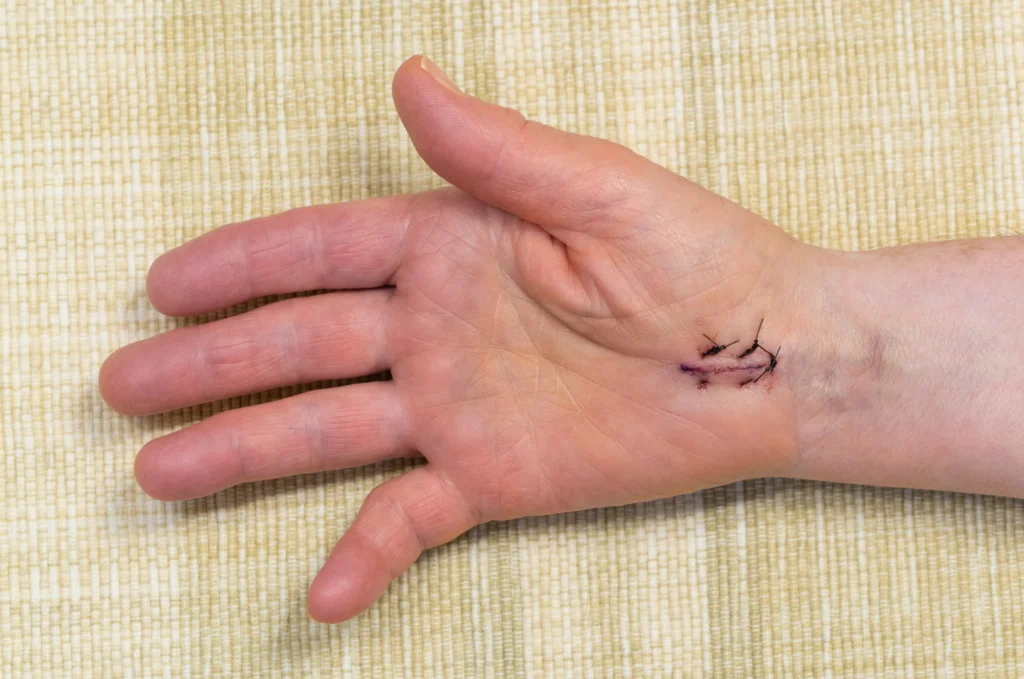
Carpal tunnel release surgery cuts the transverse carpal ligament to ease pressure on the median nerve.
But the surgery is only one part of recovery. What happens in the weeks and months afterward determines how fully the hand regains its strength, sensation, and function.
Keith Chan, a New York State-licensed physical therapist at ITNYCPT, works with post-surgical patients across outpatient settings in New York City, guiding rehabilitation from the early post-operative phase through to the return to full hand function.
Key Takeaways
- Carpal tunnel release is a minor outpatient procedure, but recovery takes longer than most patients expect, often three to six months for full grip strength and hand function to return.
- Physical therapy typically begins within 1 to 3 days to 2 weeks post-surgery, depending on the surgeon’s protocol, and progresses through phases from swelling control and motion exercises to grip strengthening and work-specific rehabilitation.
- Fewer than half of surgical patients report feeling their hand has returned to full normal function without structured rehabilitation, making PT a meaningful part of recovery for most patients.
- Pillar pain and scar tissue formation are common post-surgical complaints that PT addresses directly through scar massage, desensitization, and carefully timed grip loading.
- Numbness and tingling may persist for 6 months to a year or more after surgery in patients with long-standing nerve compression, reflecting the pace of nerve regeneration rather than a failed procedure.
Do You Need Physical Therapy After Carpal Tunnel Release?
Not every patient requires formal PT after carpal tunnel release. For mild cases with no complications, a surgeon may provide a home exercise program and monitor progress through follow-up visits.
That approach works for some patients, particularly those with sedentary jobs and minimal pre-surgical nerve involvement.
For others, structured hand therapy makes a meaningful difference. Patients with significant pre-surgical weakness, persistent numbness, or physically demanding jobs tend to recover more completely with guided rehabilitation.
Research indicates that fewer than half of surgical patients report feeling their hand has returned to full normal function without rehab support.
Carpal tunnel surgery rehab with a licensed physical therapist helps restore grip strength, range of motion, and functional hand use required by daily activities and work.
Is Carpal Tunnel Release Considered a Major Surgery?
Carpal tunnel release is classified as a minor outpatient procedure. The surgery takes 15 to 30 minutes; most patients go home the same day, and local anesthesia is used in most cases. Minor classification does not mean fast recovery, though.
The median nerve, flexor tendons, and surrounding soft tissues all require time to heal, and many patients are caught off guard by how long it takes for the hand to feel normal again.
Open vs. Endoscopic Release: Does the Approach Affect Recovery?
There are two main surgical approaches. In open release, the surgeon makes an incision across the palm to directly cut the ligament. In endoscopic release, one or two smaller incisions allow a small camera to guide the procedure from inside the carpal tunnel.
Endoscopic release tends to produce less palm tenderness in the early weeks. Open release involves a longer period of incision sensitivity at the base of the palm, which can make early grip work more uncomfortable.
Long-term outcomes are comparable between the two approaches. Still, the surgical method influences how aggressively scar tissue management and strengthening begin in the first four to six weeks of rehab.
What to Expect in the First Weeks After Surgery
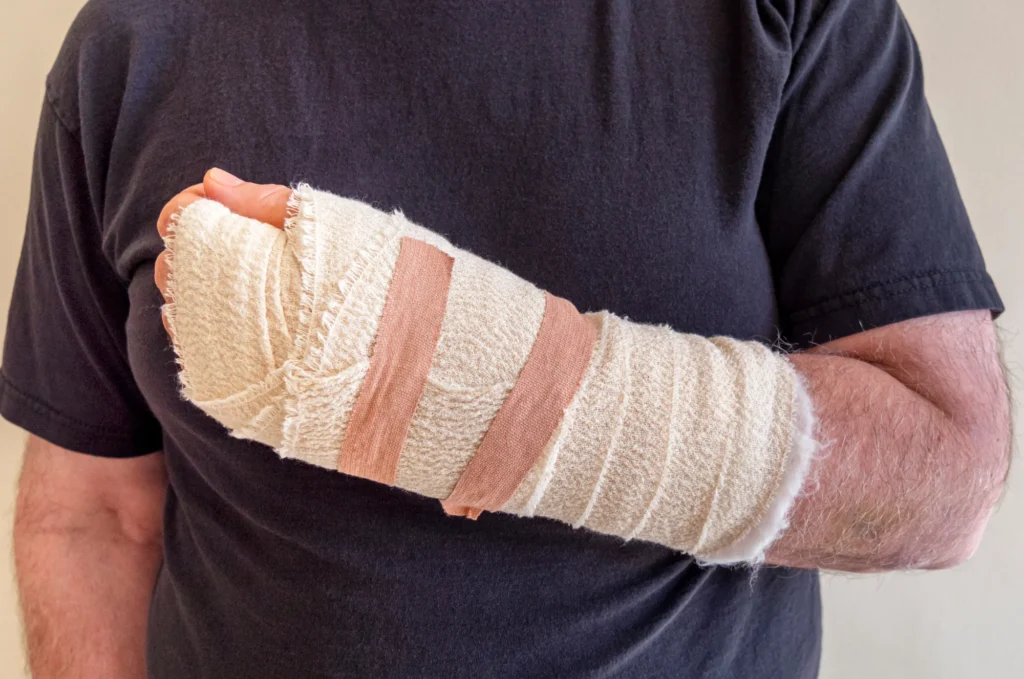
The first two weeks center on protecting the surgical site and managing swelling. The wrist is wrapped or splinted immediately after surgery, and soreness with reduced grip strength is expected.
Keeping the incision clean and dry, elevating the hand above heart level, and wearing a splint during sleep or activity are the main priorities during this window.
What Not to Do After Carpal Tunnel Release Surgery
Certain movements need to be avoided in the early recovery period:
- Lifting anything heavier than a light cup
- Gripping tools, pens, or steering wheels with significant force
- Twisting motions at the wrist
- Bearing weight through the palm
- Submerging the hand in water before the incision has fully closed
The most common setback is returning to repetitive hand use too soon. Premature loading of the surgical site consistently delays healing and extends the overall recovery timeline.
When Physical Therapy Begins After Carpal Tunnel Release Surgery
PT typically starts once sutures are removed, around one to two weeks post-surgery. The exact starting point depends on the patient’s healing progress, surgical approach, and need to return to function.
Phases of Carpal Tunnel Surgery Rehab
Carpal tunnel surgery rehab follows a phased progression. Each phase has specific clinical goals that must be met before advancing to the next phase. Skipping phases or progressing too quickly extends recovery rather than shortening it.
Phase 1 – Early Motion and Edema Control
Phase 1 spans roughly the first two to three weeks. The goals are to reduce swelling, maintain finger mobility, and prevent tendon adhesions. Motion exercises during this phase are gentle, focusing on tendon gliding sequences and light range-of-motion work to keep the fingers and hands moving without loading the surgical site.
Phase 2 – Strengthening and Grip Restoration
Phase 2 begins around weeks three to six. The focus shifts to rebuilding strength and mobility through grip strengthening, pinch work, and wrist range-of-motion exercises. Resistance is introduced gradually through therapy putty, light weights, or resistance bands. Grip strength is measured regularly and compared to the unaffected hand to guide load progression.
Phase 3 – Functional and Work-Specific Rehab
Phase 3 begins around six weeks and continues until the patient reaches their functional goals. Activities are matched to the patient’s specific demands, whether that means typing, cooking, or operating tools.
For manual workers or athletes, this phase includes task-specific training and progressive loading that mirrors actual occupational or sport requirements. A structured set of post-surgery rehabilitation exercises can help bridge the gap between clinical sessions and full return to activity.
Physical Therapy Exercises After Carpal Tunnel Release Surgery
Post-carpal tunnel surgery exercises are chosen and progressed by a physical therapist based on current swelling, strength, symptoms, and functional goals.
Tendon and Nerve Gliding
Tendon gliding exercises move the flexor tendons through their full range of motion within the carpal tunnel, preventing adhesions from forming as healing tissue develops around the surgical site.
The sequence moves the hand through five positions: straight fingers, a hook fist, a full fist, a tabletop position, and a straight fist, held briefly at each before moving to the next.
Nerve gliding exercises move the median nerve through the surrounding tissue of the wrist and forearm. After surgery, the nerve can become tethered by scar tissue.
Patients gently bend and extend the wrist and fingers in a controlled sequence to maintain nerve mobility and reduce lingering tingling. These movements should not provoke sharp pain or a spike in symptoms.
Grip and Pinch Strengthening
Hand exercises for grip and pinch strength after carpal tunnel surgery are introduced once the incision is stable and swelling is controlled.
Grip work begins with soft putty and progresses to resistance tools as strength builds. Pinch strength is trained separately because it uses different muscle groups than gross grip.
These post-CTS surgery exercises form the backbone of Phase 2 and carry into Phase 3. Wrist flexion, extension, and forearm rotation are incorporated as range of motion work in short sets throughout the day as part of exercises after carpal surgery.
Pillar Pain and Scar Tissue After Surgery
What Pillar Pain Is and Why It Happens
Pillar pain is tenderness at the base of the palm on either side of the surgical incision. Cutting the transverse carpal ligament changes how load is distributed across the carpal bones and adjacent muscles. The thenar and hypothenar muscles then take more force during gripping.
It typically resolves within three to six months, though it can persist longer in some patients and is one reason grip work must be introduced carefully in Phase 2.
Scar Tissue Management in PT
Scar tissue at the incision site is normal. The concern arises when it becomes thick, adhered to surrounding structures, or hypersensitive to touch. PT addresses this through scar massage and desensitization work.
Keith Chan is certified in the Graston Technique. He uses instrument-assisted soft tissue mobilization when scar tissue and fascial restrictions limit movement. This can affect tissue mobility and hand function.
How Long Is Physical Therapy After Carpal Tunnel Surgery?
A straightforward recovery may require six to eight weeks of PT. Cases involving significant pre-surgical nerve damage or post-surgical complications can extend the rehab period to six months or longer.
Factors That Affect Healing Time
The strongest predictor of recovery length is how severe and how long-standing the nerve compression was before surgery.
Additional variables include age, diabetes, smoking history, general health, and whether the dominant hand was operated on. Consistency with the home exercise program between PT sessions is a direct factor in the pace of recovery.
Return-to-Work and Return-to-Activity Timelines
Patients with desk-based jobs can often return to work within one to two weeks. Those in roles requiring repetitive hand use or lifting typically need four to six weeks before returning to full duty.
Manual laborers may need eight to twelve weeks or longer before the hand can tolerate full occupational demands.
Nerve Healing After Carpal Tunnel Release
Surgery removes the compression, but it does not immediately restore the nerve. Functional improvement in sensation and fine motor control continues long after the structural problem has been corrected.
Numbness and tingling in the thumb and fingers often improve quickly in patients with mild compression, but can persist for six months to a year or more in patients with long-term nerve involvement.
Axonal nerve regeneration occurs at approximately one millimeter per day, and conditions such as diabetes or peripheral neuropathy can further slow that process. PT supports nerve recovery by maintaining tissue mobility, reducing scar tissue restriction, and improving circulation through active movement.
Recovery Expectations and Working with Your Care Team
Recovery from carpal tunnel release surgery is rarely a straight line. Most patients see meaningful improvement in pain and nighttime symptoms within the first few weeks.
Grip strength and full functional use of the hand and wrist typically take three to six months, and nerve-related symptoms often lag behind other signs of progress.
Patients should follow the specific program developed for their hand, manage pain by promptly communicating any changes in symptoms to their care team, and avoid comparing their progress to general timelines when individual variables are at play.
Understanding what hand therapy can and cannot do helps set realistic expectations before and during the recovery process.