
Keith Chan is a licensed physical therapist in New York State. He is the subject matter expert for ITNYCPT, an outpatient clinic in New York City.
This guide covers timing, sessions, treatments, home care, cost, and warning signs; if you think someone is having a stroke, call 911.
Key Takeaways
- Physical therapy for stroke patients focuses on repeating real tasks, such as standing up, walking, and reaching. The goal is to rebuild movement, strength, and balance for everyday activities like dressing and bathing.
- Rehabilitation often begins 24 to 48 hours after a stroke, once the person is medically stable. The care team sets the exact timing for each person.
- Most people need months of therapy, and some continue for a year or longer. Mayo Clinic notes that performance can still improve 12 to 18 months after a stroke.
- Recovery depends on stroke size and location, how soon rehabilitation starts, other health conditions, mood, support, and consistency with practice. No single timeline fits everyone.
- Call 911 for sudden stroke symptoms, even during recovery. Between visits, tell your care team about falls, new weakness, increased stiffness, or new leg pain or swelling.
What Does Physical Therapy Do After a Stroke?
Physical therapy helps stroke survivors regain function lost to brain injury. A physical therapist tests how you move, then builds a plan to improve strength, balance, and walking. This physical therapy stroke rehab work targets practical goals, such as standing from a chair or climbing a step.
Choose PT, the patient site of the American Physical Therapy Association, describes the aim as restoring movement, reducing disability, and improving function.
Goals of Stroke Physical Rehabilitation
The main goal is independence in everyday life. Stroke physical rehabilitation targets activities of daily living, such as dressing, bathing, and walking at home. Each person sets goals with the therapist, and those goals change as recovery progresses.
A person who cannot yet stand alone may start with sitting balance, then move to standing, then to short walks.
Physiotherapy Rehabilitation for Stroke and the Care Team
Physiotherapy rehabilitation for stroke is another name for physical therapy, and a physical therapist leads the movement work. Stroke recovery usually involves a team, and Mayo Clinic lists doctors, rehabilitation nurses, occupational therapists, speech and language pathologists, and social workers.
Each role covers a different need, as the table shows. Your care team decides who joins based on the effects of the stroke.
| Discipline | Main focus |
|---|---|
| Physical therapy | Movement, strength, balance, and walking |
| Occupational therapy | Dressing, bathing, household tasks, and thinking skills for daily routines |
| Speech therapy | Speaking, understanding, swallowing, and memory tools |
Rehabilitation often begins 24 to 48 hours after a stroke, once the person is medically stable, according to Mayo Clinic. The care team sets the exact timing for each person. Starting sooner is linked to a better chance of regaining skills.
One small pilot trial reviewed in the Brain Sciences article found that moving patients within 24 to 48 hours appeared safe after an ischemic stroke, though larger studies are still needed.
Early Stage Rehabilitation for the Stroke Patient
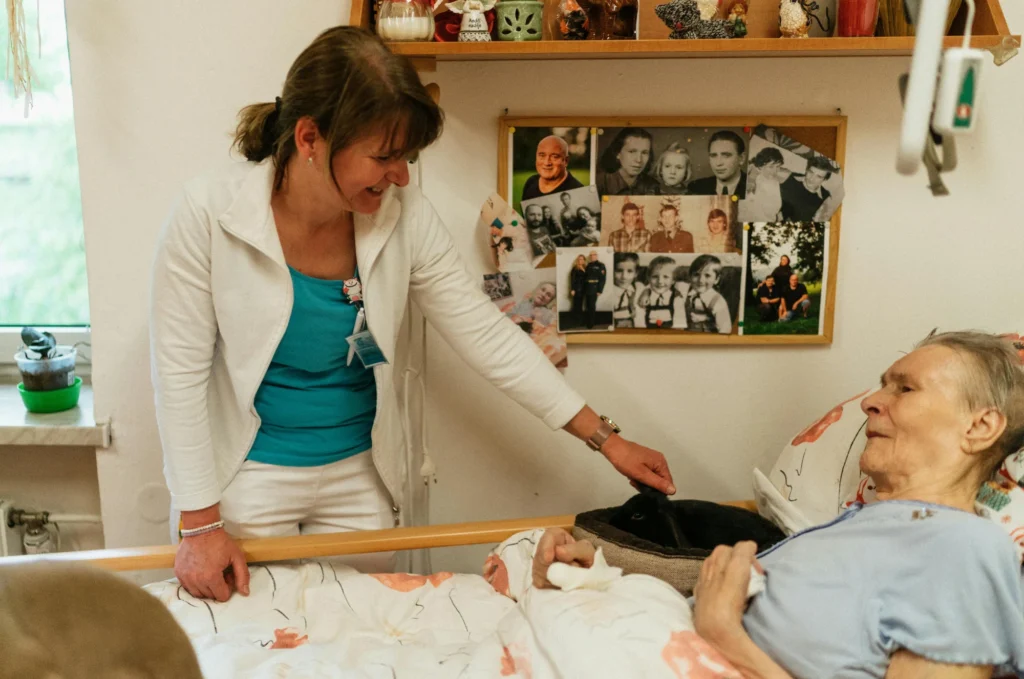
Early stage rehabilitation takes place in the hospital, where physical therapy for the stroke patient focuses on safe movement. Therapists practice rolling, sitting up, and moving from bed to chair.
They also teach positioning to protect the weaker side of the body and prevent stiffness. Sessions stay short and low intensity at first, and the team monitors blood pressure, heart rate, and fatigue.
Subacute and Chronic Phases
The subacute phase covers the first weeks to months, often in inpatient rehabilitation or outpatient care. Therapy in this phase builds walking, endurance, strength, and balance. The chronic phase starts months after the stroke and focuses on keeping and building skills, often with a home exercise program. The table gives a general overview of each phase.
| Phase | Typical timing | Common setting | Main focus |
|---|---|---|---|
| Acute | First days | Hospital | Safe movement, positioning, bed mobility |
| Subacute | Weeks to months | Inpatient rehabilitation, outpatient, home | Walking, endurance, strength, balance |
| Chronic | Months onward | Outpatient, home, community programs | Keeping and building skills, fall prevention |
How Long Is Physical Therapy for Stroke Patients?
How long is physical therapy for stroke patients? Most people need months of care, and some continue for a year or longer. Stroke severity, goals, and progress set the length.
Mayo Clinic says most stroke survivors need some form of long-term rehabilitation that can last months or years, and the plan changes as you relearn skills.
Session Length and Weekly Frequency
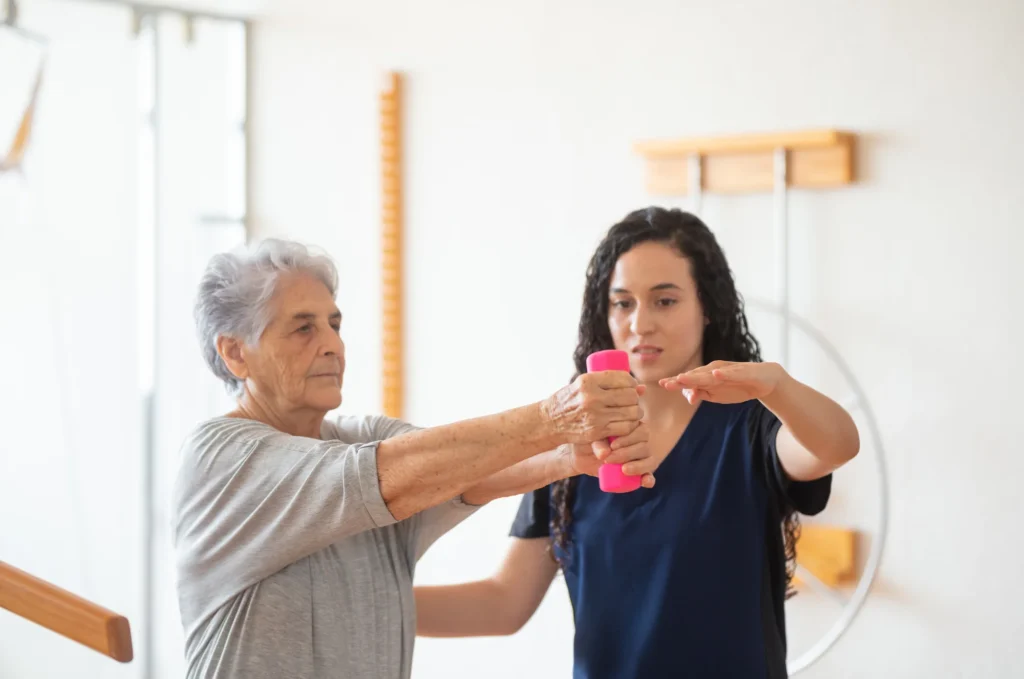
Most outpatient therapy sessions last 30 to 45 minutes. Your physical therapist sets how many visits per week fit your goals, schedule, and stamina.
Visits may be more frequent early on and may space out as you gain independence and build a home routine. You can request one-on-one sessions, and a licensed physical therapist provides most care.
How Long Does It Take to Regain Movement?
Movement often returns fastest in the first weeks to months after a stroke. Mayo Clinic notes that recovery is generally fastest early, but performance can still improve 12 to 18 months later. Some people regain movement quickly, and others need long-term practice. Judge progress against your own goals, not a calendar date.
Factors That Change Recovery Time
Recovery time depends on the stroke and the person, and no single factor predicts the outcome. PT lists stroke size and location, how quickly care started, the severity of brain damage, and other health conditions. Mayo Clinic adds emotional and social factors, such as motivation and family support. These factors matter most:
- Stroke size and location
- How soon rehabilitation starts
- Other health conditions
- Mood, sleep, and motivation
- Family and caregiver support
- Consistency with therapy and home practice
Physical Therapy Interventions for Stroke Patients
Physical therapy interventions for stroke patients center on repeating real tasks. Research shows that focused, repetitive practice helps stroke patients rebuild skills. The plan depends on which abilities the stroke affected.
No single exercise works best for everyone, and the Brain Sciences review notes that therapists often combine several approaches.
What Kind of Therapy Do Stroke Patients Need?
They need therapy matched to their stage and symptoms. Leg weakness calls for walking and balance work, while arm weakness calls for reaching and grip practice. A stroke rehabilitation program combines these services under one plan.
Choose PT describes task-oriented training as practicing real activities, such as getting up from a chair, walking, and climbing stairs.
What Happens at the First Evaluation?
The first evaluation combines a health history with hands-on testing. The physical therapist asks about symptoms and medical history, reviews test results, and watches you move, stand, and walk.
Testing covers strength, balance, and motor skills. You then set goals together, and the therapist shapes an individualized plan that they reassess over time.
Strength, Walking, Balance, and Arm Training
Strength training rebuilds muscle power using body weight, bands, or light weights. The Brain Sciences review reports that strengthening exercises did not increase spasticity in the studies it covered.
Walking practice may use a body-weight-supported treadmill, where a harness carries part of your weight and the therapist lowers the support as you improve. Balance drills improve standing and stepping balance, for example by shifting weight side to side with a steady surface nearby. Therapists use similar drills for other balance and gait disorders.
Arm practice often limits the stronger side so the affected limb does the work, a method called constraint-induced movement therapy. Some programs add Pilates-based therapeutic exercise for core control, and manual therapy may ease stiffness when appropriate.
The plan changes across phases, starting with simple supported movements and moving toward harder, more realistic tasks. Consistent practice between visits also helps.
Spasticity, Sensory Loss, and Vision Changes
Spasticity means muscles that stay tight and stiff. Stretching, positioning, and range-of-motion work help manage it, and doctors sometimes add medicine. Sensory loss may respond to repeated touch and feeling exercises, though research is limited.
For vision changes, therapists use scanning practice, such as turning the head to find objects on the weaker side, and they work with eye specialists. Dizziness and vision problems can also follow a concussion, and concussion physical therapy addresses those symptoms.
Braces, Aids, and Technology
Devices support safe movement while the body recovers. Ankle braces steady the foot, and canes or walkers lower fall risk. Functional electrical stimulation uses small electrical pulses to activate weak muscles, and Mayo Clinic lists robotics and virtual reality as other technology options.
The effectiveness of stroke rehab technology varies by person. The Brain Sciences review found robot-assisted gait training was not better than conventional therapy alone.
Physical Therapy for Stroke Patients at Home
Home therapy continues the work between clinic or hospital visits. Suitability depends on medical stability and a safe space. A therapist first reviews the exercises and the home setup. Mayo Clinic notes that home programs offer flexibility but usually lack specialized equipment, and insurance coverage for them varies widely.
Home Exercise Programs and Safety
A home exercise program lists the movements to practice between visits. Start with a therapist’s guidance, use a sturdy chair, and clear rugs and clutter. Practice near a counter or rail so you can steady yourself. Stop and call your care team if you have pain, dizziness, or new symptoms.
Home, Outpatient, and Inpatient Settings
Inpatient rehabilitation offers intensive daily therapy, often for up to two to three weeks. Outpatient rehab physical therapy means visits a few days a week, and home programs offer flexibility but less equipment.
Skilled nursing facilities vary, since some focus on rehabilitation and others offer lighter therapy. The care team, your needs, and your insurance plan help decide which setting fits.
How Caregivers Can Help
Caregivers help by supporting practice and safety. They can learn transfer and guarding techniques from the therapist, encourage daily exercise, and track changes. Choose PT lists caregiver training as a common part of therapy. Their support also shapes the recovery process.
Choosing a Physical Therapist for Stroke Recovery
Look for a licensed physical therapist with experience in stroke recovery. Some therapists hold neurologic specialty certification, which Choose PT lists as one option to ask about. Ask about their approach, session format, and how they measure progress. You can also ask how often they reassess goals and how they handle home exercise carryover.
What Affects Cost and Insurance Coverage?
Cost depends on your plan, the setting, and the number of visits. Ask your insurer about visit limits, referral rules, and coverage by setting. Ask the clinic whether it accepts your plan and how it bills visits. These terms come up often:
- Deductible: what you pay before coverage starts
- Copay: a fixed fee per visit
- Coinsurance: your share of the cost after the deductible
- Out-of-network: providers outside your plan’s contracted group
- PPO: a preferred provider plan that allows more provider choice
Research and Common Myths
Research shows that people in a focused rehabilitation program do better than most who skip rehab, according to Mayo Clinic, which supports the effectiveness of stroke rehabilitation. The evidence has limits, since no single technique has proven best and study quality varies.
The authors of the Brain Sciences review also note that they did not judge the quality of the evidence behind each intervention.
A common myth says recovery stops after six months, but Mayo Clinic notes that gains can still happen 12 to 18 months after a stroke. Another myth says more exercise is always better, yet rest and pacing matter.
A third myth says therapy only helps early, though the chronic phase still uses therapy to keep and build skills. Your therapist can adjust the load based on fatigue and progress.
When to Seek Urgent Care
Call 911 right away if stroke symptoms appear suddenly, even during recovery. Do not wait to see whether they pass. Note the time symptoms started. Emergency treatment works best when it starts quickly, so speed matters.

Stroke Warning Signs
Sudden symptoms need emergency care. The FAST checklist (Face, Arms, Speech, Time) helps you spot them. Choose PT also lists sudden vision trouble, loss of balance, and severe headache as warning signs. Call 911 if you see any of these signs:
- Face drooping on one side
- Arm weakness or drifting downward
- Slurred or strange speech
- Sudden vision loss, dizziness, or loss of balance
- Sudden severe headache with no known cause
What to Watch for After a Stroke?
Tell your care team about new or worsening problems between visits. These include falls, new weakness, increased stiffness, new pain or swelling in a leg, and lasting low mood. They need prompt attention but are not always emergencies. Call 911 for chest pain, trouble breathing, or sudden stroke symptoms.
Sources and Medical Review
This article is general education and does not replace care from a licensed clinician. Recovery timelines and treatments vary by person.
Sources: Mayo Clinic, Stroke Rehabilitation, updated April 16, 2026; Choose PT, Physical Therapy Guide to Stroke, expert reviewed April 2021; Brain Sciences, 2023 review of physical therapy interventions for stroke rehabilitation.