

At In Touch NYC Physical Therapy, Keith Chan is a New York State-licensed physical therapist. He says pricing talks should start with the goal in mind. The goal helps decide how many sessions the plan needs. This article breaks down what drives the cost and what to expect from a session.
Key Takeaways
- Radio frequency treatment costs between $150 and $500 per session in NYC, with the final price shaped by treatment area, provider type, and whether it’s part of a larger plan of care.
- Pricing differs by setting: medical spas price services around cosmetic goals like skin tightening, while physical therapy clinics often bundle RF into plans focused on pain relief, mobility, or injury recovery.
- Insurance rarely covers RF for cosmetic use, but it may be covered under standard outpatient PT benefits when it’s part of a documented plan of care for pain or injury recovery.
- Results depend on consistency. A single session produces short-term effects, while a structured plan spread across several sessions tends to yield longer-lasting results.
- RF treatment is generally considered safe when delivered by a trained provider. However, patients with certain skin conditions, active infections, or implanted medical devices should discuss it with a provider first.
What Is the Average Radio Frequency Treatment Cost
A single session typically costs $150 to $500. The final number depends on the treatment area and the type of RF device used. It also depends on whether the session is standalone or part of a structured plan.
Clinics that combine radio frequency with other physical therapy services, such as manual therapy or therapeutic exercise, often price it as part of a bundled visit rather than as a standalone charge.
Patients who commit to a multi-session plan usually pay less per visit than someone booking a single appointment. This is common in outpatient care, where a plan of care is built around progression rather than a single isolated treatment.
Cost by Treatment Area
Smaller treatment areas generally cost less because they take less time and require less energy from the device. A neck or shoulder area might run $150 to $300 per session, while a larger treatment area, such as the lower back or thigh, can reach $350 to $500.
Larger areas are sometimes treated with an INDIBA body treatment, which applies the same RF technology over a broader area.
The size of the treatment area also affects how long a session takes, which in turn affects the price.
Radio Frequency Therapy Cost by Provider Type
Radio frequency therapy costs vary depending on who administers it. Medical spas usually price sessions based on cosmetic goals, like radio-frequency skin tightening. Physical therapy clinics include RF treatment as part of plans for pain relief, mobility, or injury recovery.
A licensed physical therapist uses clinical training to plan and time treatments with other care, including how INDIBA radio frequency sessions are sequenced with manual therapy or exercise. This changes the approach and pricing compared to an aesthetic setting.
What Is Radiofrequency Treatment and How Does It Work
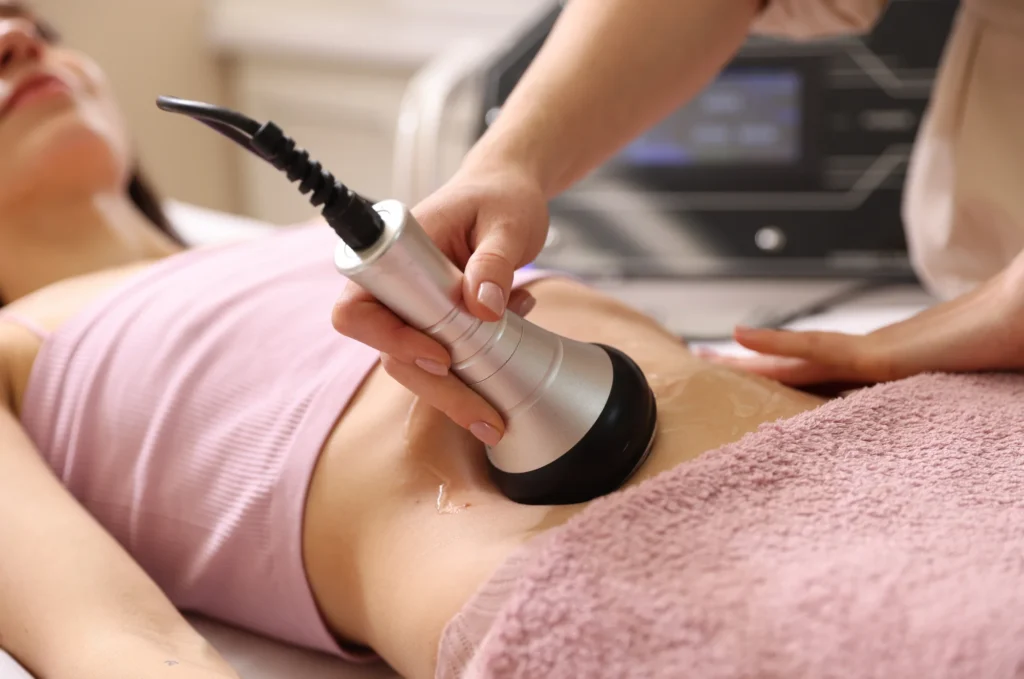
Radiofrequency treatment uses controlled RF energy to heat tissue in the deeper layers of skin and soft tissue. One example used in outpatient care is INDIBA, a radiofrequency system applied by trained clinicians during a treatment session.
This heat triggers the body’s own repair response, including increased blood flow and collagen production in the treated area.
Radiofrequency, or RF, is used in cosmetic settings to tighten skin and reduce fine lines and wrinkles. It is also used in clinical settings to support soft-tissue recovery and reduce muscle tension.
In an outpatient physical therapy setting, an RF device is rarely used as a standalone treatment. It’s more commonly paired with manual therapy, therapeutic exercise, or other physical therapy modalities, such as the Graston Technique, when soft-tissue restriction is part of the clinical picture.
A typical session runs 20 to 45 minutes and involves minimal downtime, so most patients return to normal activity right after.
Benefits of Radio Frequency Treatment and Does It Really Work
What does RF do in a clinical context: it increases local blood flow, supports collagen and elastin production, and can help reduce tissue tightness that limits movement. It’s often discussed alongside other modalities, such as ultrasound physical therapy, since both use energy-based methods to support soft-tissue recovery.
In cosmetic use, radiofrequency benefits include improved skin firmness and reduced sagging, as collagen turnover naturally slows over time. RF skin tightening is one of the more common applications of this approach, though it falls outside the scope of physical therapy care.
RF microneedling is a variation that combines radiofrequency energy with microneedling to further boost collagen production. However, this application is more common in dermatology and medical spa settings than in physical therapy.
Research on radiofrequency treatment supports these outcomes. Clinical studies on RF-based skin tightening have found measurable improvements in skin laxity and contour after a series of sessions, with most participants reporting satisfaction with their results.
Other research on RF combined with targeted exercise has shown improved tissue firmness after several weeks of treatment, reinforcing that consistency across multiple sessions plays a greater role in outcomes than any single visit.
Common radio frequency benefits include:
- Increased local blood flow to the treated area
- Support for collagen and elastin production
- Reduced tissue tightness that can limit movement
- Improved skin firmness and a reduction in signs of aging
- A non-invasive option with minimal downtime
Whether RF treatment really works depends on the goal and the consistency of the plan. A single session tends to produce short-term effects, while a structured plan spread across several sessions, combined with targeted exercise, tends to build results that hold up over the long term.
Outcomes vary based on the condition being treated, tissue quality, and how closely a patient follows the recommended plan of care.
Possible Side Effects and Safety Considerations
Radio frequency treatment is generally considered safe and effective when delivered by a trained provider, and it is not an invasive procedure. The most common reactions are temporary redness, mild warmth, or slight swelling in the treated area. These usually go away within a few hours.
Patients with certain skin conditions, active infections, or implanted medical devices, such as pacemakers, should discuss RF treatment with a provider before starting treatment.
Sharing a complete medical history before the first session matters because it allows a provider to identify any contraindications early, rather than after treatment has already begun.
This step is part of a standard PT evaluation, which typically includes a history review, a movement screen, and functional testing before a plan of care is set.
Is Radio Frequency Treatment Covered by Insurance
Coverage depends on the reason for treatment. Insurance plans rarely cover RF treatment used for cosmetic purposes, such as skin tightening, since that falls outside medical necessity.
When radio frequency is part of a documented physical therapy plan of care for pain, injury recovery, or muscle rehabilitation, it may be covered under standard outpatient PT benefits.
Coverage still depends on plan specifics. A few terms worth understanding before a first visit:
- Deductible: the amount a patient pays out of pocket before insurance starts covering a share of costs
- Copay: a fixed fee due at each visit, set by the insurance plan
- Coinsurance: a percentage of the visit cost the patient owes after the deductible is met
- Out-of-network: a provider who does not have a contracted rate with a given insurance plan, which can change the amount reimbursed
Is Radio Frequency Treatment Worth the Cost
The answer depends on the setting and the goal. For cosmetic use, results build gradually over weeks and months, so value depends on realistic expectations about what RF energy can and cannot do on its own.
For clinical use in a physical therapy plan, radio frequency can support faster tissue recovery. It works best when paired with therapeutic exercise and manual therapy. The added cost often makes sense for someone working toward a specific rehab goal.
Progression matters here. A plan of care typically evolves, with therapeutic exercise changing as a patient moves through different phases of rehab, along with structured follow-up, reassessment, and a home exercise program to carry gains forward between visits.
Common Questions About Radio Frequency Cost

- Is RF really worth it? It depends on the goal. RF treatment used as part of a structured physical therapy plan tends to deliver more consistent value than a single standalone cosmetic session.
- What does RF do to the body? It heats tissue in the deeper layers with RF energy, increasing blood flow and supporting the body’s natural repair process, including collagen and elastin production.
- How many sessions are typically needed? Most plans call for multiple sessions, often spaced over several weeks, so tissue has time to respond and build on results from each prior visit.