


Keith Chan is a New York State licensed physical therapist and an ITNYCPT subject matter expert. He provides rehabilitation context. A vascular specialist decides if vein treatment is appropriate.
Key Takeaways
- Radiofrequency ablation uses controlled heat to close a refluxing superficial vein and redirect blood through healthier veins.
- The procedure may help selected patients with pain, heaviness, swelling, skin changes, or other symptoms linked to chronic venous insufficiency.
- Most people can walk soon after treatment and return to light activity quickly, though soreness and exercise limits may last several days.
- RFA has high long-term vein closure rates, but smaller varicose veins may still need sclerotherapy or another treatment.
- Radiofrequency ablation is generally safe for suitable patients, but a vascular specialist should assess clotting history, vein anatomy, and other health factors.
Is Radiofrequency Good for Varicose Veins?
Yes. Radiofrequency ablation can be an effective treatment for selected varicose veins caused by superficial venous reflux. It closes the underlying refluxing vein rather than treating only the enlarged branches visible beneath the skin. Suitability depends on symptoms, duplex ultrasound findings, vein anatomy, mobility, clotting history, and general health.
What Is Radiofrequency Ablation?
Radiofrequency ablation (RFA) is a minimally invasive treatment that uses a catheter to apply controlled heat inside an abnormal vein.
Radiofrequency ablation for leg veins commonly targets an incompetent great or small saphenous vein. It may also be described as radiofrequency vein treatment or radiofrequency ablation for chronic venous insufficiency.
How Radio Frequency Treatment for Veins Works
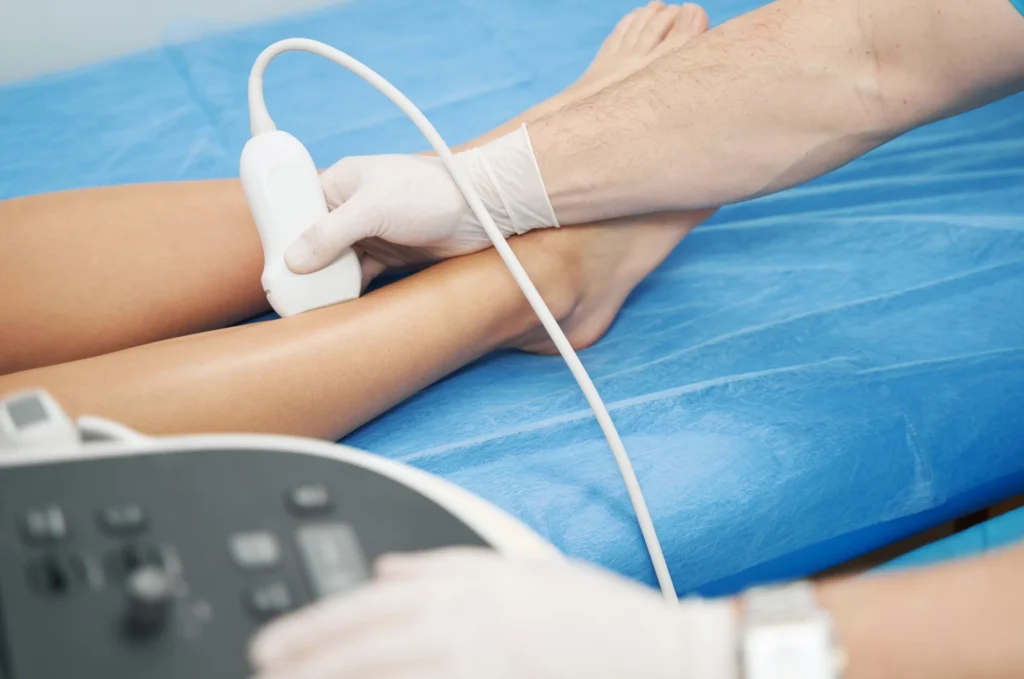
A clinician guides a thin catheter into the vein with ultrasound. The catheter delivers radiofrequency (RF) energy, which heats the vein wall, causing it to collapse and seal. Numbing fluid placed around the vein protects surrounding tissue and improves contact between the catheter and vein wall.
What Happens to the Closed Vein?
The treated vein no longer carries significant blood after it closes. The body gradually replaces it with fibrous tissue and redirects blood flow through healthy veins. Closing a superficial refluxing vein does not prevent the deeper venous system from returning blood toward the heart.
Who May Qualify for RFA?
RFA may be considered when symptoms and duplex ultrasound confirm reflux in a treatable superficial vein. RF ablation for veins is not intended for every visible vein or every cause of leg pain and swelling. A specialist must first determine whether chronic venous insufficiency is responsible for the symptoms.
Symptoms and Chronic Venous Insufficiency
Chronic venous insufficiency occurs when damaged valves allow blood to flow backward and collect in the leg. It may cause aching, heaviness, fatigue, itching, swelling, skin discoloration, or venous ulcers. Symptoms can worsen after long periods of standing or sitting.
How Ultrasound Confirms Vein Reflux
Duplex ultrasound shows the direction of blood flow and identifies reflux, vein diameter, anatomy, and possible obstruction. It also checks for signs of a current or previous blood clot. These findings help the specialist choose among RFA and other treatment options.
When RFA May Not Be Suitable
No, RFA is not suitable for everyone. Active deep vein thrombosis (DVT), significant arterial disease, certain clotting problems, infection, limited mobility, pregnancy, or unsuitable vein anatomy may change or delay treatment. A previous DVT does not always rule out treatment, but it requires an individual vascular assessment.
What Happens During the RFA Procedure?
The RFA procedure for varicose veins is usually performed in an outpatient setting under ultrasound guidance. It is commonly performed under local anesthesia, so general anesthesia is often unnecessary. The appointment length varies with the number, location, and length of veins being treated.
Preparing for the Procedure
The clinician reviews medications, allergies, clotting history, prior procedures, and ultrasound results. The treatment area is cleaned and covered using sterile technique. Patients should follow the facility’s instructions about food, medication changes, transportation, and compression garments.
Catheter Placement and Local Anesthesia
The clinician makes a small incision or needle puncture and inserts the catheter into the vein. Ultrasound confirms the catheter’s position before heat is applied. Tumescent local anesthesia is then placed around the vein to numb the area, compress the vein, and protect nearby nerves and tissue.
Applying Radiofrequency Energy
The catheter treats the vein in short segments as it is withdrawn. Controlled energy heats the inner wall of the vein until it closes. The clinician removes the catheter, covers the access point, and may apply compression.
Is Radiofrequency Ablation Painful?
No, it is not usually described as severely painful. Most people feel a brief stinging sensation from local anesthesia, followed by pressure, warmth, or a pulling sensation during treatment.
Mild bruising, tenderness, tightness, numbness, or soreness may persist for several days, although pain tolerance and the extent of treatment affect the experience.
Recovery Time and Aftercare
Recovery is usually brief, and many people walk immediately and return to light activity the same day. Desk work may be possible within one or two days, while soreness or tightness can last for several days or weeks. Treatment of several veins, or additional procedures such as phlebectomy or sclerotherapy, may extend recovery time.
Common aftercare instructions include:
- Walk regularly and avoid long periods of inactivity.
- Keep the small incision clean and dry.
- Wear compression stockings for the prescribed period.
- Avoid running, heavy lifting, and other strenuous activities until cleared.
- Attend follow-up visits and ultrasound examinations.
Compression practices vary because studies have not identified one schedule that benefits every patient.
Some clinicians use stockings to reduce short-term tenderness or bruising, but longer-term research has not consistently shown better vein closure with routine compression. Patients should follow the instructions given for their procedure rather than applying a general schedule.
What Is the Success Rate of RFA?
Radiofrequency ablation has a high technical success rate in appropriately selected saphenous veins. In a multicenter study, 91.9% of treated great saphenous veins remained fully closed, and 94.9% remained free from reflux after five years.
More than 90% of treated legs were pain-free at five years, although the study was industry-funded and its results do not predict every patient’s outcome.
Success can refer to several different outcomes:
- Closure of the targeted vein
- Reduced pain, heaviness, or swelling
- Improved appearance
- Avoidance of additional treatment
- Freedom from recurrent varicose veins
A closed vein does not guarantee that every visible branch will disappear. Smaller veins may require sclerotherapy or another procedure, and new reflux can develop in untreated veins as venous disease progresses.
Follow-up ultrasound measures closure, while symptom relief and appearance should be assessed separately.
Is Radiofrequency Ablation Safe?
Yes, it is generally considered safe for properly selected patients when performed with ultrasound guidance. Common side effects include bruising, tenderness, firmness, temporary numbness, inflammation, or pulling along the treated vein. Less common complications include infection, skin burns, nerve injury, endovenous heat-induced thrombosis, DVT, and pulmonary embolism.
Contact the treating clinician for worsening redness, drainage, fever, uncontrolled bleeding, severe pain, or major new leg swelling. Sudden chest pain, shortness of breath, coughing blood, or fainting requires urgent medical care. These symptoms do not prove that a serious complication has occurred, but they require prompt assessment.
RFA vs. Other Vein Treatments
RFA is one of several vein treatments, and no single method fits every vein. Laser ablation also uses heat, while sclerotherapy injects a chemical solution and is often used for smaller veins or remaining branches. Vein surgery removes or ties off affected veins and may still be considered when anatomy or other factors make endovenous treatment unsuitable.
Can Physical Therapy Help?
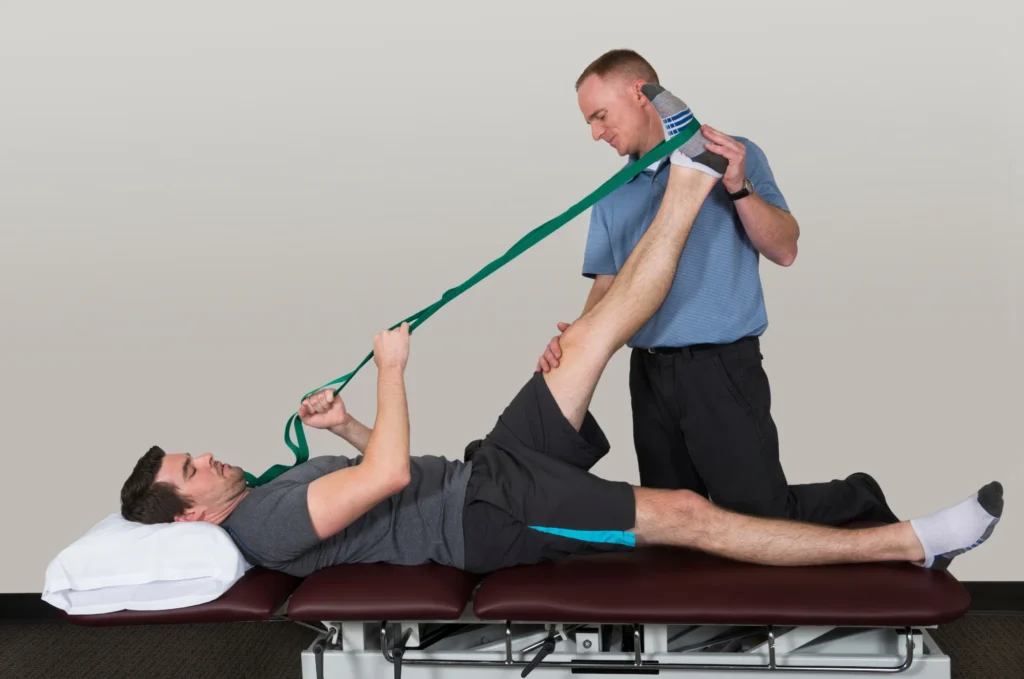
Yes, but physical therapy cannot close a refluxing vein. It may help when weakness, reduced walking tolerance, balance problems, stiffness, or another musculoskeletal condition requires rehabilitation physical therapy before or after medical treatment.
A physical therapy evaluation may include a health history, movement screen, strength and mobility testing, goal setting, reassessment, and appropriate physical therapy modalities.
When pain involves movement limitations, muscle weakness, or multiple contributing factors, a holistic pain therapy approach may address the broader physical issues that affect daily activities.
ITNYCPT provides one-on-one outpatient physical therapy in New York City with a licensed physical therapist, reflecting how physical therapy is delivered today through evaluation, individualized care, and progressive exercise.
When a separate movement problem affects recovery, care may include progressive exercise, Pilates-based therapeutic exercise, manual therapy, or, when relevant, the Graston Technique. Physical therapy does not replace evaluation or treatment by a vascular specialist.
Questions to Ask a Vein Specialist
Ask which vein is refluxing, what the ultrasound shows, and why RFA is being recommended. Confirm whether the expected goal is symptom relief, cosmetic improvement, ulcer management, or a combination of outcomes. Clear answers can help you compare procedures without assuming that one option is right for every person.
Useful questions include:
- Which vein will you treat, and why?
- What benefits are realistic in my case?
- What risks does my health history create?
- Will I need treatment for smaller branch veins?
- How long should I limit exercise?
- Should I wear compression stockings?
- When will you repeat the ultrasound?
- What symptoms require urgent medical care?
- Who will perform the procedure?
- Could the treated vein reopen or new veins appear?