


Keith Chan is a New York State-licensed physical therapist and an ITNYCPT subject-matter expert. He notes treatment choices should match the person’s condition, goals, health history, and response over time. ITNYCPT provides outpatient physical therapy in New York City.
Key Takeaways
- Holistic pain therapy combines physical, psychological, medical, and lifestyle strategies rather than relying on one treatment alone.
- Common options include physical therapy, exercise, mindfulness, massage, acupuncture, yoga, tai chi, sleep support, and changes in activity.
- Treatment results vary by diagnosis, health history, symptom duration, consistency, workload, sleep, stress, and personal goals.
- Natural or non-drug treatments can still cause side effects, so each method should be matched to the condition and reviewed over time.
- Progress may first appear as improved movement, sleep, work tolerance, or daily functioning, even when some pain remains.
What Is a Holistic Approach to Pain?
How Whole-Person Pain Care Works
A holistic approach considers the condition causing pain and the factors that affect how clinicians treat pain and how a person experiences it. These factors can include strength, mobility, sleep, stress, mood, physical activity, work demands, and nervous system sensitivity.
Chronic pain is pain that lasts beyond three months, although its cause and effects on daily life can vary.
Whole-person care does not assume that pain is imaginary or caused only by stress. Tissue injury, arthritis, nerve irritation, inflammation, previous medical treatment, and other health conditions can contribute to persistent symptoms. Sleep loss, fear of movement, low activity levels, and stress may then affect how severe or disruptive those symptoms feel.
Holistic pain management does not require a person to reject medication, diagnostic testing, or standard medical treatment. It may combine conventional care with alternative pain management methods when appropriate and safe to do so. The purpose is to develop a coordinated plan rather than expecting a single treatment to address every factor.
Holistic Care vs. Alternative Care
Holistic care describes an approach that considers the whole person. Alternative pain treatment refers to care used instead of conventional treatment, while complementary care is used alongside standard medical treatment. Integrative care coordinates conventional and complementary methods within one plan.
These terms are often used interchangeably, but the distinction matters. Some conditions require diagnostic testing, medication, surgery, or specialist care before complementary methods are considered. A holistic plan should not delay care for a serious condition or replace medically necessary treatment.
What Are Some Holistic Treatments for Pain?
Holistic pain management techniques may address movement, strength, stress, sleep, tissue sensitivity, or daily habits. Common pain management alternative therapies include:
- Physical therapy and progressive exercise
- Mindfulness, breathing, and guided imagery
- Massage therapy and manual therapy
- Acupuncture
- Yoga, Pilates, and tai chi
- Sleep, pacing, and activity changes
No single method is suitable for every diagnosis. The most useful treatment options depend on the types of pain involved, symptom severity, medical history, personal preferences, and functional goals. A method that helps mechanical lower back pain may not have the same effect on nerve pain, inflammatory disease, or a recent injury.
Physical Therapy and Exercise
Physical therapy uses assessment, education, movement, and exercise to improve function. An evaluation commonly includes a symptom and health history, a movement screen, strength and mobility testing, and discussion of the activities the person wants to restore. The physical therapist then creates an individualized plan and adjusts it through reassessment.
Therapeutic exercise changes during different phases of rehabilitation. Early exercise may focus on comfortable movement, coordination, and basic control, while later phases may add strength, endurance, balance, or task-specific loading.
The amount and type of exercise should reflect the diagnosis, symptoms, starting capacity, and response after each session.
For some people, water physical therapy provides a lower-impact setting for practicing movement, strength, balance, and exercise tolerance. Water reduces the amount of body weight placed on the joints while still providing resistance for exercise.
Pilates-based therapeutic exercise is one possible method for improving core control, mobility, balance, and movement awareness. It may be useful when the exercises match the person’s limitations and goals. It is not a separate cure or the correct approach for every chronic pain condition.
Mindfulness and Behavioral Therapy
Pain can increase stress, while stress can increase muscle tension and pain sensitivity. Relaxation techniques such as slow breathing, progressive muscle relaxation, meditation, and guided imagery may help a person regulate stress and respond to symptoms with less distress. These methods support pain management without suggesting that the symptoms are purely psychological.
Mind-body approaches can also affect heart rate and blood pressure during periods of stress. Research reviewed by the National Center for Complementary and Integrative Health suggests that mindfulness-based methods may help with selected chronic pain conditions. However, the size and consistency of the benefit vary. They usually work best as one part of a broader care plan.
Behavioral care may also address fear of movement, unhelpful activity patterns, and difficulty pacing tasks. For example, a person who alternates between complete rest and excessive activity may benefit from a steadier progression. The aim is to improve confidence and participation without dismissing the physical contributors to pain.
Massage, Acupuncture, Yoga, and Tai Chi
Massage therapy and manual therapy use hands-on techniques to address short-term muscle tension, soft-tissue sensitivity, or mobility limits. A physical therapist may also use the Graston Technique when instrument-assisted soft-tissue work fits the examination findings.
Hands-on care may relieve pain for some people, but the effects can be temporary if treatment does not address strength, movement, or daily load.
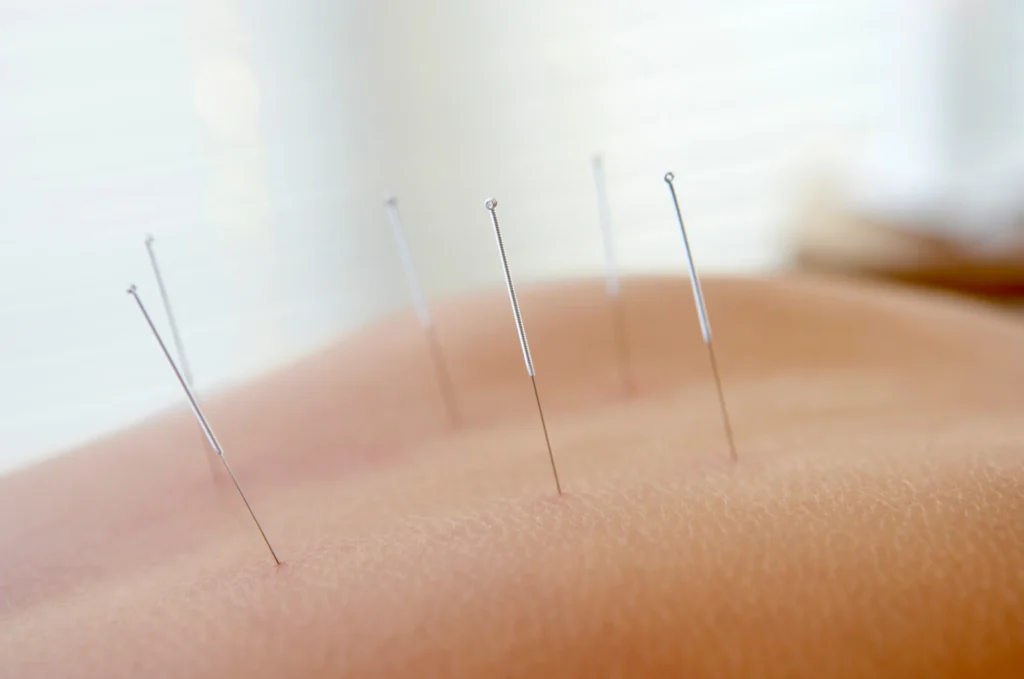
Acupuncture for pain management is one of the better-studied alternative therapies for pain relief. Evidence suggests it may help some people with chronic low back pain, neck pain, knee osteoarthritis, or some headaches.
However, results vary by condition and study. It should be delivered by a trained professional using appropriate safety procedures.
Yoga and tai chi combine movement, breathing, balance, and attention. Research suggests these practices may help some people with osteoarthritis, low back pain, or fibromyalgia. They should be modified if positions worsen symptoms or raise fall risk.
Chiropractic care may also be considered for certain musculoskeletal problems, but evidence and risks vary by technique and diagnosis.
Sleep, Stress, and Daily Habits
Poor sleep, extended inactivity, sudden workload changes, and ongoing stress can affect pain and recovery. Regular physical activity, pacing, and a consistent sleep routine may support progress when they match the person’s tolerance. A person does not need to avoid all activity until pain disappears.
Diet may support general health, energy levels, and the management of certain medical conditions. An anti-inflammatory eating pattern may be discussed as part of overall health care, but it should not be presented as a direct cure for persistent pain.
Supplements can also cause side effects or interact with medications, so natural does not always mean risk-free.
Which Alternative Therapies for Pain Relief Work?
What Research Shows
Research does not support one universal form of holistic pain therapy. Some alternative therapies have evidence for particular conditions, while others have mixed, preliminary, or low-quality research.
The value of a treatment depends on the diagnosis, treatment dose, provider training, study quality, and outcome being measured.
For example, acupuncture may help selected types of back, neck, joint, or headache pain. Massage may offer short-term relief for some musculoskeletal conditions, while tai chi or yoga may improve pain and function in selected cases. Evidence for one condition should not be assumed to apply to every source of pain.
Studies show that an intervention may improve function without removing all symptoms. A person may sleep better, walk farther, return to work, or exercise with more confidence while still reporting some pain. These outcomes can be meaningful, but they should be measured and described accurately.
Benefits, Risks, and Limitations
Alternative therapies can carry risks even when they do not involve medication. Exercise may aggravate symptoms when the load increases too quickly, deep massage can irritate sensitive tissue, and supplements can interact with prescriptions.
Acupuncture, spinal manipulation, yoga, and other methods also require suitable screening and trained providers.
Before choosing alternative pain control methods, consider:
- Does the treatment fit the diagnosis and health history?
- What evidence supports it for this condition?
- What risks or side effects may occur?
- What result should improve if it works?
- When should the plan be reassessed or changed?
Pain during exercise does not always indicate tissue damage, especially in long-term musculoskeletal pain. It also should not be ignored automatically. The clinician should consider the type, intensity, duration, and pattern of the response before changing the exercise dose.
Understanding the difference between expected soreness and concerning pain after physical therapy can help guide exercise changes and communication with the therapist. Pain that becomes sharper, continues to increase, or reduces function may require reassessment.
How Treatments Work Together
A coordinated plan may combine medical care, education, exercise, sleep support, stress management, and selected passive treatments.
Each method should serve a clear purpose, such as improving walking tolerance, reducing fear of movement, restoring strength, or making daily tasks easier. Adding more therapies does not always produce better results.
Active treatments require the person to participate through exercise, movement practice, pacing, or self-management.
Passive treatments include massage, acupuncture, manual therapy, or procedures performed by a provider. Passive care may reduce symptoms, but active care often plays a larger role in restoring capacity and independence.
How Can Physical Therapy Help?
Improving Movement and Function
A physical therapy plan often starts by identifying limited range of motion and activity. The clinician may assess walking, lifting, reaching, balance, joint motion, strength, and tolerance for repeated activity. Treatment then focuses on findings that relate to the person’s symptoms and goals.
An examination does not rely on a single posture, muscle test, or scan. The physical therapist compares the history, movement findings, symptom response, and functional limits. Referral for medical assessment may be appropriate when the findings do not fit a typical musculoskeletal pattern.
Building Strength and Load Tolerance
Pain can lead people to reduce movement, but prolonged avoidance may decrease strength and physical capacity. A gradual loading plan gives the body time to adapt without forcing a rapid increase in activity.
The correct pace depends on the condition, symptom response, training history, sleep, job demands, and consistency.
Exercise progression may involve changing resistance, repetitions, range of motion, speed, or task difficulty. For example, a person may progress from controlled sitting exercises to standing, carrying, climbing stairs, or sport-related movement. Progress should reflect function rather than a fixed timeline.
Supporting Self-Management
Home exercise allows a person to practice useful movements between visits. Structured follow-up helps the clinician review progress, refine technique, and adjust the exercise dose. Reassessment also helps determine whether the current plan is addressing the main limitations.
The purpose is not to make a person dependent on treatment. It is to build skills for managing activity, responding to symptom changes, and maintaining progress. A useful home plan should be clear enough to follow and realistic enough to complete.

What Results Can You Expect?
Pain Relief vs. Functional Progress
Holistic pain relief may involve lower pain intensity, but symptom reduction is not the only useful measure. A person may first notice that walking, sleeping, working, lifting, or exercising becomes easier. Functional gains can occur before pain disappears.
Progress can be tracked through measurable goals. Examples include sitting for 45 minutes, walking six blocks, carrying groceries, or returning to a modified workout. These measures can show change even when pain varies from day to day.
Why Results Vary
Results depend on the diagnosis, symptom duration, health history, treatment consistency, workload, sleep, stress, and personal goals. A recent muscle strain may follow a different timeline than osteoarthritis, nerve pain, or long-term widespread symptoms. Two people with the same diagnosis may also respond at different rates.
A general physical therapy recovery timeline can provide context, but the expected duration still depends on the injury, healing process, goals, and consistency. Visit frequency, home exercise carryover, and changes in daily workload can also affect progress.
Temporary increases in symptoms can occur with changes in activity. The treatment plan may need adjustment when symptoms remain elevated, function declines, or progress stops. No responsible provider can guarantee a specific level or speed of recovery.
What Are New Chronic Pain Treatments?
Emerging Rehabilitation Approaches
New rehabilitation approaches often build on established methods rather than replacing them. Examples include graded exposure, pain education, psychologically informed physical therapy, remote exercise monitoring, and activity plans based on individual response. Their usefulness still depends on proper evaluation, suitable goals, and consistent follow-through.
Graded exposure helps a person return to movements that have become difficult or feared. The activity starts at a manageable level and becomes more challenging over time. This approach is not the same as forcing movement through uncontrolled pain.
New Devices and Medical Options
Some new chronic pain relief treatments involve neuromodulation devices, injections, regenerative procedures, or updated medications. These options require medical evaluation and may apply only to selected diagnoses. Evidence, side effects, insurance coverage, cost, and access can differ.
The word “new” does not mean that a treatment is proven or suitable for everyone. Some methods have encouraging early studies but limited long-term evidence. Patients should ask what outcomes research has measured, how long benefits lasted, and what risks were reported.
How to Choose Alternative Pain Control Methods
Start with a clear diagnosis or clinical assessment when possible. Define practical goals, such as sitting through a workday, returning to the gym, or walking a set distance. Then choose methods that match those goals and review progress at planned intervals.
Ask how the treatment is expected to help, how many sessions may be needed, and what signs would show that it is working.
Also ask about provider training, possible side effects, and whether the method should complement or replace another treatment. A plan should be adjusted when expected progress does not occur.
In outpatient physical therapy, one-on-one care from a licensed Physical Therapist allows testing and progression to be tailored to the individual’s response.
A calm setting may help some people focus, but the quality of treatment still depends on clinical reasoning, communication, reassessment, and home exercise carryover. Care should adapt when progress stalls or the clinical picture changes.
When Should You Seek Medical Care?

Sudden or Worsening Pain
Prompt medical assessment may be appropriate for severe pain after trauma, rapidly worsening symptoms, chest pain, breathing difficulty, unexplained fever, or sudden abdominal pain.
New pain with unexplained weight loss, major swelling, or signs of infection also requires medical attention. Holistic care should not delay urgent testing.
Pain that begins after a major fall, collision, or other trauma may require imaging or emergency assessment. The same applies when a person cannot bear weight on the affected area or use it. Routine exercise or alternative therapies should be postponed until a serious injury has been ruled out.
Neurological and Systemic Symptoms
Seek urgent care for new loss of bladder or bowel control, numbness around the groin, sudden weakness, facial drooping, confusion, or difficulty speaking.
Progressive numbness, loss of coordination, or weakness in an arm or leg also needs timely evaluation. These symptoms may signal a condition that routine rehabilitation cannot manage safely.
Medical review is also appropriate when symptoms do not match the expected recovery pattern. A clinician can help determine whether physical therapy, complementary care, diagnostic testing, or another treatment path is suitable. Holistic care works best when each treatment stays within its proper role.