


Keith Chan, a New York State licensed physical therapist at ITNYCPT in New York City, reviews these factors as part of the clinical screening process.
Key Takeaways
- INDIBA treatment is generally contraindicated during pregnancy and for people with pacemakers, certain electronic implants, or active thrombophlebitis.
- Conditions such as open wounds, infection, reduced sensation, recent surgery, cancer care, and metal implants may require medical clearance or changes to the treatment plan.
- A physical therapist should review the patient’s health history, medications, implanted devices, skin condition, and symptoms before treatment begins.
- Common side effects may include short-term warmth, redness, or tingling, but burning, severe pain, unusual swelling, or new neurological symptoms require treatment to stop them.
- INDIBA therapy may support pain relief, circulation, and exercise tolerance, but it should remain one part of a broader rehabilitation plan.
What Are the Official INDIBA Treatment Contraindications?
The official INDIBA contraindications listed in general manufacturer guidance include a small group of conditions that may make treatment unsafe. These are different from precautions, which may allow treatment after further review or changes to the treatment plan. The main contraindications include:
- Pregnancy
- Pacemakers and certain electronic implants
- Thrombophlebitis and active blood clots
The exact guidance may vary by device and treatment setting. A clinician should review the current device instructions before using radiofrequency therapy.
Pregnancy
INDIBA treatment is generally contraindicated during pregnancy. This restriction may apply even when the planned treatment area is far from the abdomen. A pregnant patient should not receive treatment unless current device guidance and qualified medical advice clearly allow it.
Pacemakers and Electronic Implants
Pacemakers and other electronic implants may interact with electrical or radiofrequency equipment. These devices can include implanted defibrillators, nerve stimulators, and medication pumps. Patients should provide the device name and model before treatment begins.
The clinician may need to review the implant manufacturer’s guidance. Treatment should not proceed until the device’s safety has been confirmed. This rule is different from the guidance for metal plates or joint replacements.
Thrombophlebitis and Blood Clots
Thrombophlebitis is inflammation of a vein associated with a blood clot. INDIBA therapy should not be used when this condition is active because changes in blood flow and tissue temperature may create added risk. New swelling, warmth, redness, or tenderness in one limb requires medical review.
Chest pain, shortness of breath, or sudden weakness may signal a serious clot-related problem. These symptoms require urgent medical care. Physical therapy should not delay that assessment.
Contraindications Versus Precautions
A contraindication means treatment should not proceed because the risk may be too high. A precaution means treatment may still be possible after medical review or changes to the settings, timing, or location. This distinction helps prevent patients from treating every health issue as either fully safe or completely prohibited.
When Does INDIBA Require Caution?
Some conditions do not always rule out INDIBA treatment. They may still affect the timing, power level, or location of care. The therapist must review the patient’s skin condition, health history, symptoms, and treatment goals before starting treatment.
Open Wounds and Skin Damage
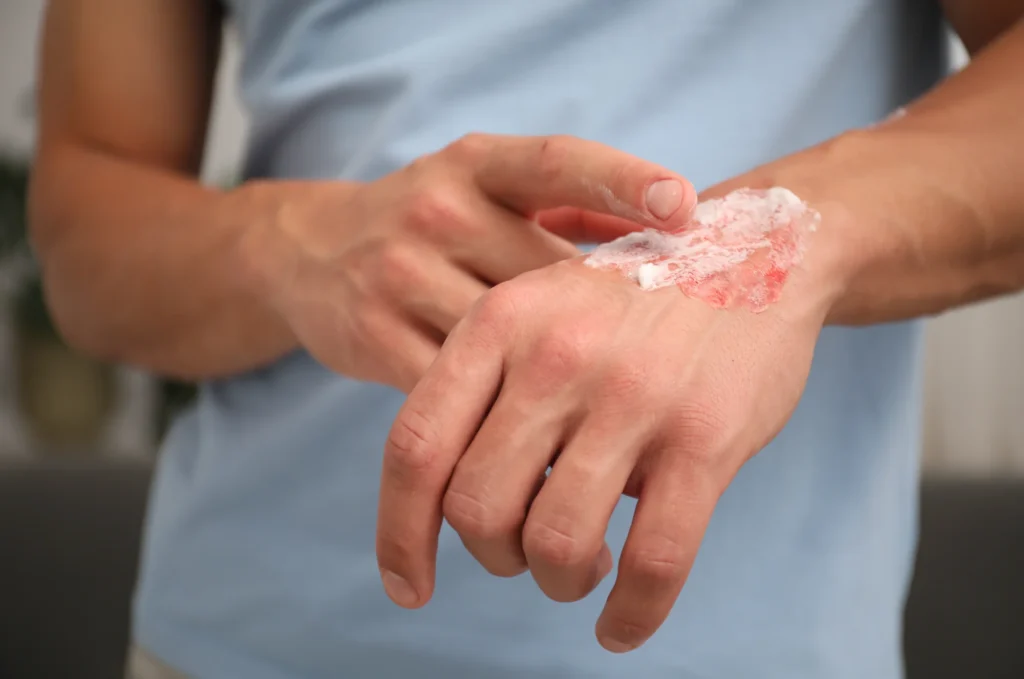
Open wounds, burns, and damaged skin require careful review. The therapist may need to avoid the area or use settings that do not raise tissue temperature. Clean technique and close skin checks are also necessary.
Some device protocols may allow treatment near healing tissue under controlled conditions. The decision depends on the wound stage, infection risk, and current manufacturer guidance. Treatment should not place fragile tissue at added risk.
Infection and Active Inflammation
INDIBA treatment should not be applied over an active infection. Heat and increased circulation may worsen pain, swelling, or skin irritation. Treatment in another part of the body may also require medical review.
Signs of infection can include fever, drainage, spreading redness, and rising pain. These symptoms require medical assessment before treatment can continue. A therapist should not use radiofrequency energy to treat an undiagnosed infection.
Reduced Skin Sensation
Reduced sensation can make it difficult for a patient to detect too much heat. This problem may occur with neuropathy, nerve injuries, or some neurological conditions. The therapist may need to lower the power and check the skin often.
The patient should report burning, sharp pain, numbness, or unusual tingling. The therapist may also test touch and temperature awareness before treatment. These checks reduce the risk of skin injury.
Recent Surgery or Procedures
Recent surgery is not always a contraindication. Timing depends on the type of procedure, wound healing, surgeon instructions, and current activity limits. The therapist must also consider the repaired tissue and the goals of rehabilitation.
Early treatment may require low-heat or non-heat settings. The therapist may avoid the incision or protect the healing area. The plan should change as tissue strength and movement tolerance improve.
Metal Implants and Joint Replacements
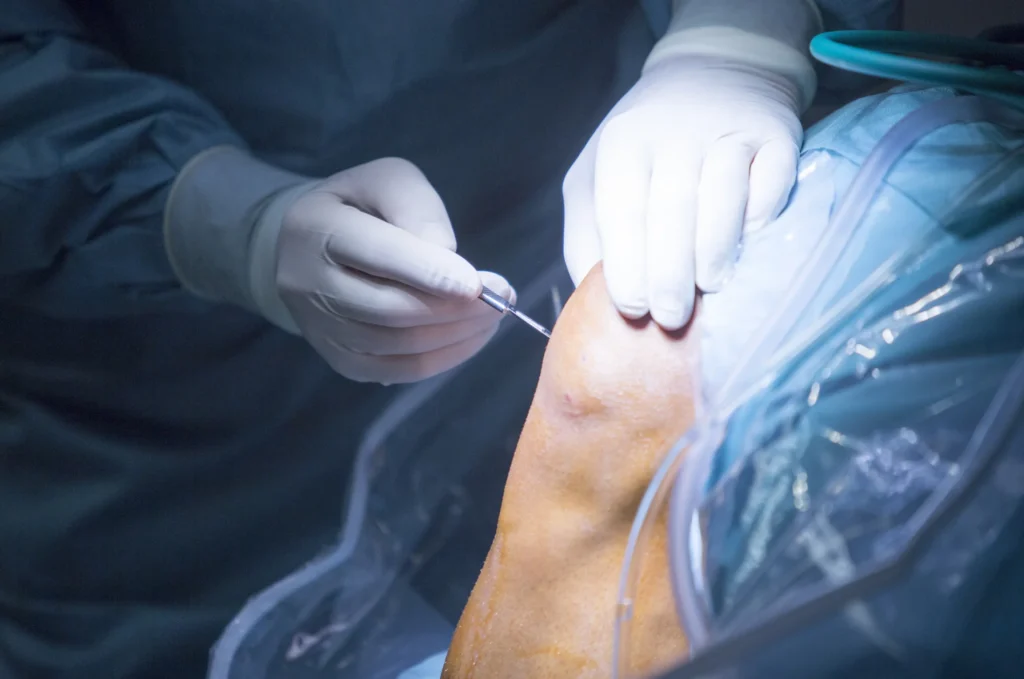
Metal plates, screws, pins, and joint replacements are different from powered electronic implants. Some INDIBA devices that operate at 448 kHz may be used near metal hardware. The therapist must still review the implant location, healing stage, skin sensation, and device instructions.
Metal hardware does not make treatment safe in every situation. Pain, warmth, or swelling near an implant should be assessed first. The final decision should follow both clinical findings and current safety guidance.
Cancer and Medical Clearance
Cancer requires an individual review rather than a broad statement that treatment is always safe or unsafe. Patients receiving cancer care should ask their medical team whether INDIBA radiofrequency is suitable, especially near a tumor or recent treatment site. The phrase INDIBA treatment side effects cancer often appears in online searches, but no single answer applies to every patient.
The decision may depend on the cancer type, treatment stage, medications, and body area. Medical clearance may be needed before treatment begins. A therapist should avoid making assumptions based only on a past diagnosis.
Who Is a Good Candidate for INDIBA?
A good candidate has a condition that may respond to physical therapy and no unresolved contraindications. INDIBA therapy may be used as one part of care for selected cases of pain, stiffness, soft tissue injury, or postsurgical recovery. Suitability depends on the diagnosis, health history, skin condition, sensation, and treatment goals.
Conditions and Treatment Goals
The treatment goal should guide the use of INDIBA. A therapist may apply it before exercise to reduce pain or stiffness, or combine it with manual therapy when soft-tissue work is appropriate. The Graston Technique may also be used for selected soft-tissue problems.
Pilates-based therapeutic exercise can support core strength, movement control, mobility, and return to activity. These methods should support the full plan of care rather than replace strength work and gradual loading. No single tool is enough for every patient.
Factors That Affect Suitability
Several factors can affect the response to treatment. These include injury severity, workload, pain sensitivity, sleep, job demands, training history, and health conditions. Home exercise habits and visit consistency may also influence progress.
Claims about accelerated recovery or guaranteed tissue regeneration should be viewed with care. INDIBA may support treatment, but outcomes vary. Research into whether INDIBA really works should be considered alongside the patient’s condition, goals, and full rehabilitation plan. A full evaluation gives a clearer view of what may help.
How Does INDIBA Safety Screening Work?
A physical therapy evaluation helps determine whether INDIBA therapy is suitable. The process often includes a health history, movement screen, physical testing, and goal setting. The therapist may review:
- Pregnancy, blood clots, cancer care, infections, and recent surgery
- Medications, including blood thinners
- Pacemakers, electronic implants, and metal hardware
- Wounds, burns, swelling, and changes in skin condition
- Numbness, tingling, and reduced temperature awareness
The therapist uses this information to decide whether treatment should proceed, change, or wait. Reassessment should continue as symptoms and function change.
Health History Review
Patients should report major health conditions before treatment. This includes blood-clot history, cancer care, recent surgery, infection, wounds, burns, and neurological problems. They should also report fever, unexplained swelling, or new skin changes.
A clear health history may reveal risks that are not visible during a movement test. It also helps the therapist choose safer settings and treatment areas. Medical clearance may be needed when the history is unclear.
Medications and Implanted Devices
Some medications may affect treatment safety. Blood thinners can raise the risk of bruising, while cancer drugs may affect skin or tissue response. Patients should provide a current medication list when possible.
All implanted devices should be disclosed. This is most important for pacemakers and other electronic implants. Metal implants should also be reported even when they do not automatically prevent treatment.
Skin and Sensation Checks
The therapist should inspect the treated area before applying energy. The check may include assessment of skin color, swelling, touch, pressure, and temperature. These findings help guide the power level and treatment time.
Temporary warmth or improved skin color does not prove healing. These changes may only show a short-term increase in blood flow. Progress should also be measured through pain, movement, strength, and function.
What Are INDIBA Treatment Side Effects?
Most INDIBA treatment side effects are mild and short-lived when treatment is suitable and properly applied. A patient may notice warmth, tingling, or light redness. These effects should fade rather than grow worse.
Redness and Warmth
INDIBA uses radiofrequency energy to warm tissue. This may improve circulation and increase blood flow in the treated area. It may also raise tissue temperature for a short period.
These changes do not prove faster tissue repair. They also do not confirm higher cellular activity on their own. The clinical value depends on the condition, treatment method, and full rehabilitation plan.
Pain or Skin Discomfort
Treatment should not cause burning, sharp pain, or worsening nerve symptoms. The patient should report discomfort as soon as it begins. The therapist can lower the power, change the contact, or stop the session.
People with reduced sensation need closer monitoring. The therapist should check the skin during and after treatment. The area should not show lasting redness, blistering, or unusual swelling.
When Treatment Should Stop
Treatment should be stopped if the patient develops burning pain, marked pain, dizziness, new numbness, or skin changes. The therapist should reassess the area before continuing. Rising swelling or sudden weakness also requires further review.
Chest pain, trouble breathing, or signs of a blood clot require urgent medical care. These symptoms are not routine treatment effects. Physical therapy should not delay emergency evaluation.
Common INDIBA Safety Questions
Can You Exercise After INDIBA?
Many patients can exercise during or after an INDIBA session. The exercise type and load depend on the injury, pain level, and stage of healing. The therapist may adjust the program as strength, movement, and tissue tolerance improve.
Pilates-based exercise may support core control and mobility. Home exercise can help carry progress between visits. Structured follow-up helps show when the plan should change.
Does INDIBA Require Medical Clearance?
Not every patient needs medical clearance. It may be required for cancer care, blood thinners, recent surgery, unusual swelling, implanted devices, or an unclear health history. The therapist may also request clearance when symptoms do not match a typical musculoskeletal problem.
The number of sessions depends on the diagnosis, goals, response, and full care plan. No fixed schedule works for every patient. Reassessment helps determine whether the treatment remains useful.
INDIBA radiofrequency uses a 448 kHz current to deliver radiofrequency energy through the treated area. It may affect blood flow, tissue temperature, and cellular activity. These effects may support tissue repair, but results vary.
Some sources describe the treatment as improving tissue health, supporting the body’s natural healing process, or enhancing skin quality. Others use terms such as tissue regeneration and accelerated recovery. These phrases should describe possible effects, not guaranteed results.
How does the therapy work within rehabilitation? It may help improve circulation, reduce pain, and prepare some patients for exercise. Improving tissue tolerance still requires progressive movement, reassessment, and steady changes in load.