


INDIBA treatment can help some people reduce pain, stiffness, and movement limits, mainly in the short term. When asking “does INDIBA really work,” it is best to view it as one tool within an active rehab plan, not as a cure.
Keith Chan, ITNYCPT’s subject matter expert, is a New York State licensed physical therapist in New York City.
Key Takeaways
- INDIBA may reduce pain, stiffness, and movement limits for some patients, but results depend on the condition and full rehab plan.
- The treatment uses 448 kHz radiofrequency to create heat, increase local blood flow, and affect tissue activity.
- Research shows potential short-term benefits, but current studies do not demonstrate that INDIBA accelerates healing in every case.
- INDIBA should support exercise and physical therapy rather than replace active rehabilitation or medical care.
- Safety, treatment frequency, and the number of sessions should be based on a clinical evaluation and the patient’s response.
How Effective Is INDIBA?
What Current Evidence Shows
Studies suggest that INDIBA radiofrequency therapy may improve pain and function for some knee, shoulder, and back conditions.
One trial found better pain and function in people with knee arthritis, while another studied 448 kHz treatment with exercise for shoulder pain. These findings are useful, but they do not prove that every patient will improve.
Limits of the Research
Many studies include small groups or short follow-up periods. Treatment methods also differ, which makes the results hard to compare. A research review found potential benefits but noted that the available evidence remained limited.
What Is INDIBA Treatment?
How 448 kHz Radiofrequency Works
What is INDIBA? INDIBA treatment sends radiofrequency energy between an electrode and a return plate. The device operates at 448 kHz, which may increase tissue temperature and local blood flow. The current also interacts with charged particles near the cell membrane.
Some claims state that this process supports the body’s natural healing response. Yet changes in heat or blood flow do not always mean that an injury will heal faster. A therapist should measure pain, movement, strength, and daily function.
INDIBA body treatment is also used in cosmetic care to support skin tone and body contours. In physical therapy, the main goals may include less pain and easier movement. The aims depend on the patient’s condition and rehab plan.
Heat and Non-Heat Effects
Lower settings may create little or no heat. Higher settings often cause a mild warming sensation. A therapist can change the level based on the treatment area and the patient’s comfort.
Capacitive electrodes are often used over soft tissues such as muscle. Resistive electrodes may be used near joints, tendons, and deeper tissues. The device cannot target a specific structure with absolute certainty.
What Are INDIBA Treatment Benefits?
Pain, Swelling, Mobility, and Function
Possible benefits of INDIBA treatment include reduced pain, stiffness, and swelling. Some patients may also find movement or exercise easier. These changes may help them take part in rehab with less discomfort.
INDIBA therapy may increase warmth and local circulation. This does not prove that it will improve tissue healing. The therapist should look for clear changes in movement and function.
What Conditions May INDIBA Help?
Muscle and Tendon Injuries
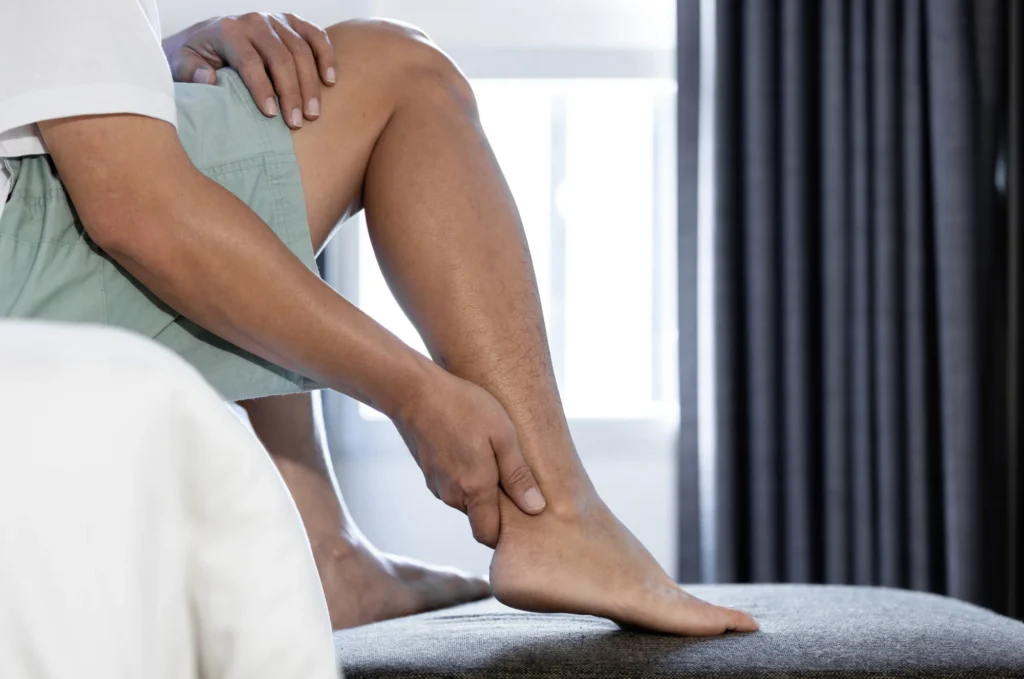
Radiofrequency therapy may be used for muscle strains, tendon pain, and sports injuries. Small studies have found changes in muscle strength, tissue warmth, and tendon properties. More research is needed to show whether these changes lead to faster recovery.
Joint and Chronic Pain
INDIBA may help some people with knee arthritis, shoulder pain, or low back pain, and physical therapy for shoulder pain may also include exercise, movement training, and hands-on care.
It may reduce symptoms enough to make walking, exercise, or daily tasks easier. A broader physical therapy plan for chronic back pain may also address strength, mobility, movement habits, and activity tolerance. Severe pain, numbness, or ongoing weakness still needs a full medical check.
Post-Surgical Recovery
A therapist may use INDIBA after surgery to address pain, swelling, scar tightness, or limited motion. The plan must follow the surgeon’s rules and the stage of healing. Open wounds, infection, or poor healing may make treatment unsafe.
How Long Does INDIBA Take to Work?
Treatment Frequency and Duration
Some people notice a short-term change after one visit. Others need several visits before they can judge the result. The number of sessions depends on the injury, treatment goal, and response between visits.
A full physical therapy visit may last 20 to 60 minutes. INDIBA may take up only part of that time. The rest may include testing, exercise, or hands-on care.
Factors That Affect Results
Results depend on injury severity, sleep, workload, health history, and home exercise. Pain sensitivity, job demands, and repeated stress also play a role. A therapist should reassess progress rather than follow a fixed treatment package.
Are INDIBA Results Permanent?
INDIBA results are not always permanent. Pain may return when the main cause has not changed. Long-term gains often depend on strength, movement control, activity habits, and load management.
Some people may use maintenance treatments for recurring symptoms. Each visit should have a clear goal and a useful result. Treatment should stop when it no longer creates a clear change.
What Happens During INDIBA Treatment?
Treatment Setup and Sensation
The therapist places a return plate on the body and moves an electrode over cream on the skin. Most people feel mild pressure and warmth. Burning, sharp pain, or new tingling should be reported at once.
Is INDIBA Treatment Safe?
Possible Side Effects
INDIBA treatment is often well tolerated when performed by a trained clinician. Mild INDIBA treatment side effects such as redness, warmth, soreness, or tingling may occur. These effects should be brief and not worsen after each visit.
Who Should Avoid INDIBA?
A clinician should screen for risks before treatment. Key concerns include:
- A pacemaker or other electronic implant
- Pregnancy near the abdomen, pelvis, or lower back
- Active bleeding or thrombophlebitis
- Active cancer in or near the treatment area
- Infection, open wounds, or poor skin sensation
Official INDIBA guidance lists electronic implants, pregnancy, active bleeding, active malignancy, and thrombophlebitis among its main contraindications. Patients should share their full health history, recent surgery, and implanted devices before treatment.

How Much Does INDIBA Treatment Cost?
Some insurance plans may cover INDIBA when it forms part of a physical therapy visit. Coverage may depend on the deductible, copay, coinsurance, network status, and visit limits. At ITNYCPT, the self-pay cost is $120 per visit when insurance does not cover it.
How INDIBA Fits Into Rehabilitation
Combining INDIBA With Exercise and Physical Therapy
INDIBA should not replace exercise or medical care. A physical therapy evaluation may include a health history, movement screen, strength tests, and goal setting.
The plan may include therapeutic exercise, Pilates-based exercise, manual therapy, Graston Technique, home exercises, and other physical therapy modalities, followed by regular reassessment.
One-on-one care from a licensed physical therapist lets the plan change over time. Although the terms physical therapy and physiotherapy are often used interchangeably, the treatment plan should still reflect the patient’s needs and goals.
Early rehab may focus on pain and motion. Later phases may focus on strength, control, and a safe return to work, sport, or daily life.
Questions to Ask Your Therapist
Before treatment, ask your therapist:
- What problem is INDIBA meant to address?
- How will you measure progress?
- How many sessions may be needed?
- When should treatment stop if it does not help?
- How will INDIBA fit with exercise and other care?
The Bottom Line on INDIBA Therapy
INDIBA may help some people reduce pain and move more easily. Results depend on the condition, treatment dose, number of sessions, and full rehab plan. It should support active physical therapy rather than replace it.