

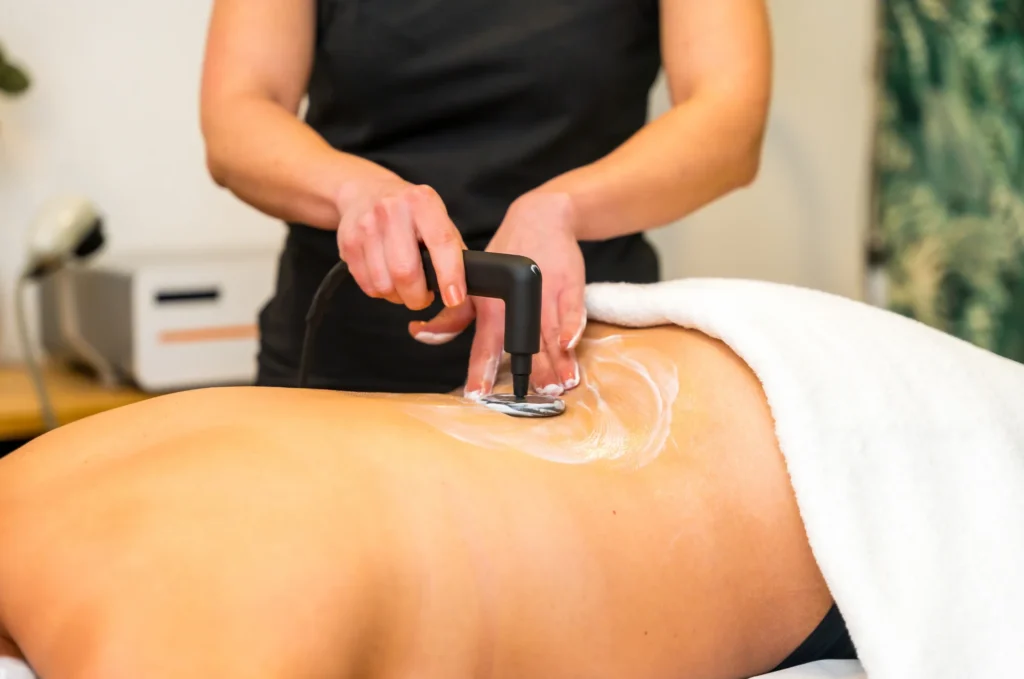
INDIBA treatment uses radiofrequency energy to stimulate cell repair, reduce pain, and support tissue recovery without surgery or injections.
For a more detailed explanation, learn what INDIBA treatment is and how its radiofrequency technology works.
Keith Chan is a New York State-licensed physical therapist at ITNYCPT in New York City. He uses INDIBA as part of personalized treatment plans.
He treats muscle and joint conditions, pelvic floor issues, and post-surgical needs. Knowing how it works helps patients decide if it fits their recovery goals.
Key Takeaways
- INDIBA is a non-invasive radiofrequency therapy that operates at 448 kHz, allowing it to reach deeper tissues and stimulate cellular repair without surgery, injections, or recovery time.
- Unlike standard radiofrequency devices that rely on heat alone, INDIBA produces sub-thermal, thermal, and hyperthermal effects, making it usable across acute injuries, chronic conditions, post-surgical recovery, and aesthetic applications.
- Applications span a wide range of clinical conditions, including musculoskeletal pain, sports rehabilitation, pelvic floor dysfunction, post-surgical healing, skin tightening, and body contouring.
- Most sessions last 30 to 60 minutes, and while acute conditions may respond in one to three sessions, chronic conditions and aesthetic goals typically require six to twelve sessions spaced one to two weeks apart.
- INDIBA is contraindicated for patients with implanted electronic devices such as pacemakers, pregnant patients, and those with thrombophlebitis near the treatment area — a physical therapist should review health history before starting.
What INDIBA Radiofrequency Therapy Is
INDIBA radiofrequency therapy sends controlled energy into body tissue to activate natural repair. There are no needles, no cuts, and no recovery time needed after each session.
The Role of 448 kHz Radiofrequency
INDIBA works at a fixed frequency of 448 kHz. This frequency lets energy reach deeper tissues without harming cells. At this level, the current restores the cells’ natural electrical balance, triggering repair, reducing inflammation, and improving blood flow. This is what sets INDIBA apart from standard radiofrequency devices.
How INDIBA Differs from Other Radiofrequency Devices
Most radiofrequency devices rely on heat alone to get results. This limits their use when tissue is swollen or recently injured.
INDIBA works at both thermal and sub-thermal levels. That means it can stimulate cells without pushing tissue temperature to harmful levels. This makes it useful in cases where heat-only treatment would not be safe.
How INDIBA Affects the Body
INDIBA produces three biological effects, each focused on improving tissue health at a different intensity. The therapist chooses the right mode based on the condition and where the patient is in recovery.
Biostimulation: Cellular Repair and Metabolic Activation
At sub-thermal levels, INDIBA activates cell function without raising tissue temperature much. This stimulates fibroblasts – the cells that produce collagen and connective tissue – and accelerates repair. This mode works well early in an injury, when direct heat would make things worse.
Vascularization: Blood Flow and Tissue Oxygenation
At thermal levels, INDIBA widens blood vessels and boosts local circulation. More blood flow brings oxygen and nutrients to damaged tissue, supports drainage, and helps clear waste from injured areas. For patients with chronic soft-tissue problems, this can reduce swelling and shorten recovery time.
Hyperactivation: Fat Breakdown and Collagen Production
At hyperthermal levels, INDIBA produces enough heat to break down fat and build collagen. This mode is used for body contouring, skin tightening, and cellulite reduction. It also helps after surgery when scar tissue has formed. The therapist gradually increases intensity based on how the tissue responds.
What INDIBA Is Used to Treat
INDIBA is used in physical therapy, sports medicine, pelvic health, post-surgical rehab, and aesthetic care. Its three intensity modes let it adapt to different conditions and stages of recovery.
Musculoskeletal Pain and Soft Tissue Injuries
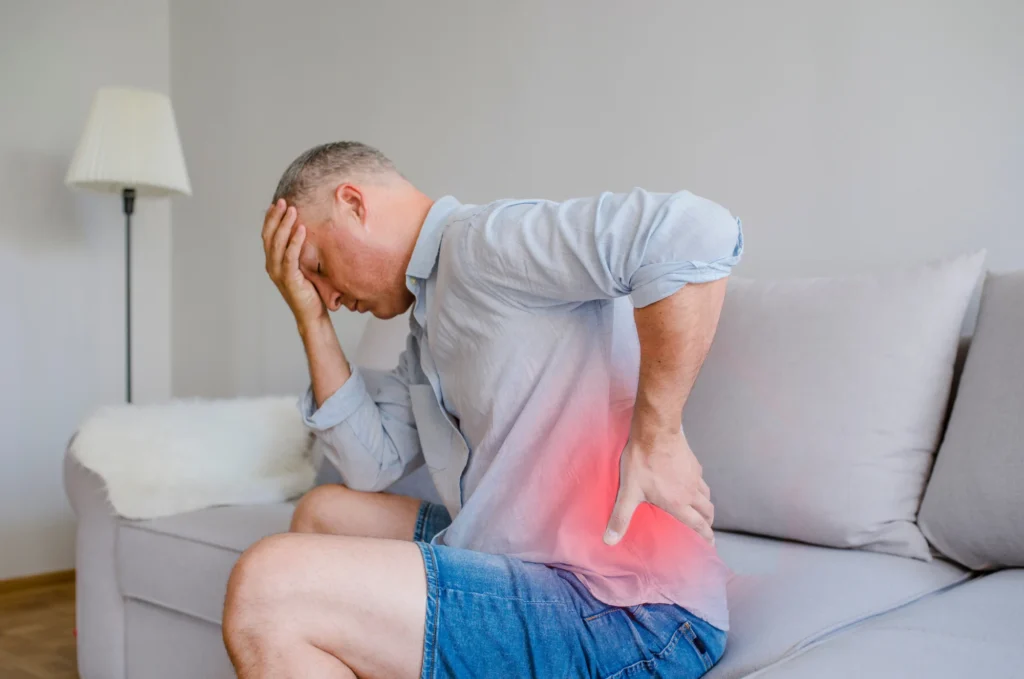
INDIBA lowers pain and inflammation in tendons, ligaments, and muscles. It is used for tendinopathy, muscle strains, joint pain, and long-term soft tissue injuries. The sub-thermal mode allows treatment to begin even when the tissue is too sore for hands-on work.
Sports Recovery and Performance Rehabilitation
INDIBA reduces muscle soreness, lowers inflammation, and improves joint movement. Athletes use it to shorten rest periods between training sessions and during sports physical therapy for structured injury rehab. It can also support tissue health in areas prone to overuse while training continues at a lower load.
Pelvic Floor Health and Postpartum Recovery
“INDIBA helps with pelvic pain, bladder leakage, and postpartum tissue repair as part of a pelvic floor therapy program. The sub-thermal effect supports healing without discomfort, making it suitable for patients who need a gentle approach. Postpartum patients benefit because it helps tissue heal while recovery is still in progress.
Post-Surgical Healing and Scar Tissue Management
Shortly after surgery, INDIBA can reduce swelling, bruising, and pain in sub-thermal mode. As healing progresses, the therapist can increase intensity to soften scar tissue and improve mobility in the area. Timing and settings depend on the type of surgery and the patient’s current state.
Skin Tightening, Cellulite, and Body Contouring
INDIBA builds collagen and breaks down fat deposits to firm the skin, reduce cellulite, and reshape areas such as the abdomen, thighs, and arms. Results come gradually over several sessions, not after the first one. The number of sessions needed depends on the area and the patient’s response.
INDIBA Treatment Benefits
Non-Invasive with No Downtime
INDIBA needs no needles, cuts, or anesthesia. Patients return to normal activity immediately after each session. For people with busy schedules or active training programs, this makes it easier to stay consistent with care.
Safe for Long-Term and Repeated Use
Repeated INDIBA sessions do not cause tissue damage over time. Patients can receive ongoing care without risk of harm building up. This matters most for chronic conditions – like joint pain or pelvic floor issues – that need long-term support rather than a short, fixed course of treatment.
Does INDIBA Treatment Work?
Research supports the use of INDIBA for pain relief, faster tissue repair, and aesthetic results, but patients who want to know if INDIBA really works should consider the condition being treated and the available evidence. But outcomes are not the same for every patient or condition.
Acute injuries tend to respond faster than chronic ones. Skin tightening and cellulite reduction take weeks to develop across multiple sessions.
Health history, session frequency, and the type of condition all affect results. A licensed physical therapist can give a realistic picture of what to expect based on each patient’s situation.
INDIBA in a Physical Therapy Setting
Physical therapists use INDIBA as one of several physical therapy modalities within a broader treatment plan, not as a standalone treatment.
At ITNYCPT in New York City, INDIBA is paired with manual therapy, therapeutic exercise, and Pilates-based rehab. This supports tissue health and functional movement.
How Physical Therapists Use INDIBA alongside Other Treatments
A session might start with INDIBA to lower pain and prepare tissue. Manual therapy and exercise follow while the tissue is more responsive.
When soft-tissue restrictions are present, the Graston Technique, a hands-on soft-tissue treatment, can be used alongside INDIBA. This allows the therapist to address both tissue quality and movement in a single visit.
What to Discuss with a Physical Therapist before Starting
Before starting INDIBA therapy, patients should share their full health history. Key items to cover include:
- Any implanted devices, such as pacemakers or neurostimulators
- Current medications, recent surgeries, and active skin conditions
- Prior physical therapy or treatment for the same condition
- Known sensitivities or circulation problems in the treatment area
This helps the therapist confirm INDIBA is safe, choose the right settings, and build a plan that fits the patient’s condition and recovery stage.

What to Expect from INDIBA Therapy
Session Length and Number of Treatments Needed
Most sessions last 30 to 60 minutes, depending on the area and the goal. Acute conditions may improve in one to three sessions. Chronic conditions and aesthetic goals often need six to twelve sessions, spaced one to two weeks apart. The therapist tracks progress and adjusts the plan as needed.
The therapist tracks progress and adjusts the plan as needed. For a broader look at care timelines, how long physical therapy takes depends on the condition, its severity, and how consistently sessions are attended.
What INDIBA Feels Like during a Session
The therapist applies a conductive gel to the skin, then moves a small handheld device over the area in slow circles. Patients feel a gentle warmth building beneath the skin – most compare it to a warm massage. Some notice mild redness after the session, which fades within a few hours.
What Are the Side Effects of INDIBA?
INDIBA has a strong safety record in both clinical and aesthetic use, but patients can learn more about INDIBA treatment side effects before starting therapy. Side effects are mild and short-lived. The most common are slight redness, warmth, or brief tingling at the treatment site, all of which clear up within one to two hours.
There are no known long-term side effects from repeated use. Patients with sensitive skin may notice more visible redness, but this is a normal surface response and not a sign of damage.
What Affects How Long INDIBA Results Last?
Results depend on what is being treated and how many sessions are completed. Pain relief from one session may last days to weeks. A full course of treatment produces longer-lasting results as tissue repair is completed.
Aesthetic results (firmer skin, less visible cellulite) can last several months. Regular maintenance sessions help sustain them. Patients with chronic conditions often incorporate radiofrequency therapy into their ongoing care routine.
Who Should Not Use INDIBA
INDIBA is not safe for everyone. Patients who should avoid treatment include:
- Those with implanted devices such as pacemakers or neurostimulators
- Pregnant patients
- Patients with thrombophlebitis – a vein condition linked to blood clots – near the area to be treated.
A physical therapist reviews each patient’s health history before starting INDIBA to confirm it is safe and appropriate for that individual.