

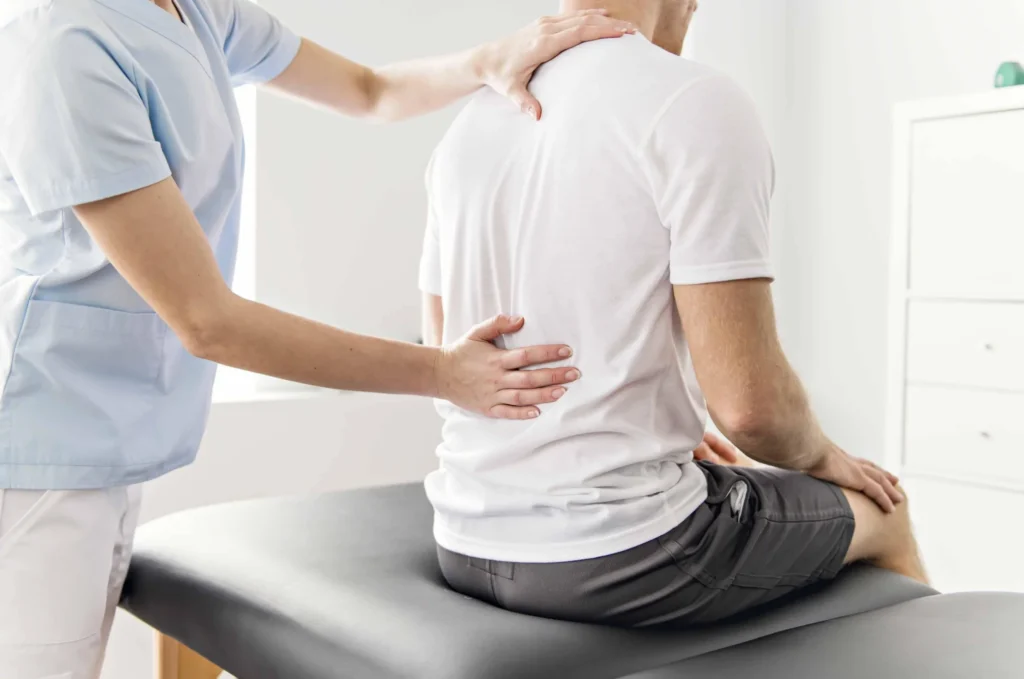
Keith Chan is a New York State licensed physical therapist at ITNYCPT in New York City. He works with patients with many low back conditions. These range from acute muscle strain to chronic disc-related pain.
Key Takeaways
- Physical therapy for low back pain treats the underlying cause, not just the symptoms, which is what separates short-term pain relief from lasting recovery.
- The right exercises and stretches depend on the diagnosis: what helps a herniated disc can aggravate spinal stenosis, and vice versa.
- A PT evaluation always comes before exercise because two patients with the same diagnosis may require completely different treatment plans.
- Most cases of acute low back pain improve within four to six weeks of consistent PT, though disc-related pain with sciatica often takes eight to twelve weeks.
- Certain symptoms, including loss of bladder or bowel control, sudden leg weakness, or numbness in the groin, require medical evaluation before physical therapy begins.
What Physical Therapy Does for Low Back Pain
Treating the Cause, Not Just the Pain
When the back hurts, rest feels like the right call. For most people, it is not. Extended rest causes muscles to tighten, circulation to drop, and spinal support to weaken.
Physical therapy restores controlled movement at a pace your body can handle. It also helps find why the pain started. That might be a herniated disc, a muscle imbalance, or a movement habit that repeatedly stresses the same tissue. Fixing the root cause leads to lasting results, not just short-term pain relief.
Common Causes and How They Shape Treatment
The structure of a PT plan depends on what is driving the pain. Two patients with the same symptoms can need very different approaches.
Muscle strain can result from overuse, a sudden wrong move, or long hours in a poor position. A herniated disc occurs when the outer layer tears and inner material presses on nearby nerves, sending pain into the leg. Spinal stenosis narrows the canal around the spinal cord, causing pain and weakness that worsens with standing or walking.
Postural and movement-pattern problems place stress on the lumbar spine over time through repeated poor mechanics and weak stabilizing muscles. Each of these requires a different treatment focus, which is why evaluation comes before exercise.
What to Expect at Physical Therapy for Lower Back Pain
What Happens at Your First Appointment
The first visit is an evaluation, not a treatment. The PT takes a full history of the pain, performs posture and range-of-motion tests, assesses strength, and screens for nerve involvement if there is tingling, numbness, or weakness.
A diagnosis like “herniated disc” names the structure but does not determine a single treatment path. A 35-year-old desk worker with an L4-L5 herniation will likely need a different plan than a 60-year-old managing a recurring flare-up. Age, fitness, daily demands, and symptom level all shape the final treatment plan.
Low Back Pain Physiotherapy Treatment: Core Methods
Manual Therapy, Graston, and Pilates-Based Rehab
Manual therapy uses hands-on techniques, including joint mobilization and soft-tissue work, to improve mobility and reduce pain.
The Graston Technique uses stainless-steel instruments to identify and treat scar tissue, tight fascia, and chronic muscle tension. Keith Chan holds a Graston Technique certification and uses it when soft-tissue restrictions limit movement or cause pain.
Pilates-based exercise retrains the deep stabilizing muscles of the spine, prioritizing movement quality and spinal alignment over load. It works well for patients who need to rebuild basic control before progressing to more advanced activities, and how Pilates reduces back pain is covered in more detail in a separate guide.
Physiotherapy Exercises and Best Stretches for Lower Back Pain
Mobility, Flexibility, and the Best Stretches by Condition
The best stretches for lower back pain depend on the diagnosis. For disc pain, prone press-ups, where the patient lies on their stomach and presses up with legs straight, help move symptoms away from the leg.
For stenosis, the knee-to-chest stretch opens the spinal canal by gently pulling the left knee toward the chest while lying on the back, then repeating on the right side.
For muscle tightness and spasm, hip flexor stretches, lumbar rotations, and piriformis stretches target the muscles most commonly involved. Using the wrong stretch for the wrong condition can make things worse, which is why a PT evaluation matters before starting any home program.
7 Lower Back Pain Rehabilitation Exercises to Build Back Safely
These physiotherapy exercises for lower back pain appear consistently in PT plans and can be adjusted based on diagnosis and ability:
- Cat-cow: Start on hands and knees. Slowly arch and round the spine to improve lumbar mobility and ease stiffness.
- Bird dog: From hands and knees, extend the opposite arm and leg at the same time, holding a straight line through the body to build spinal stability.
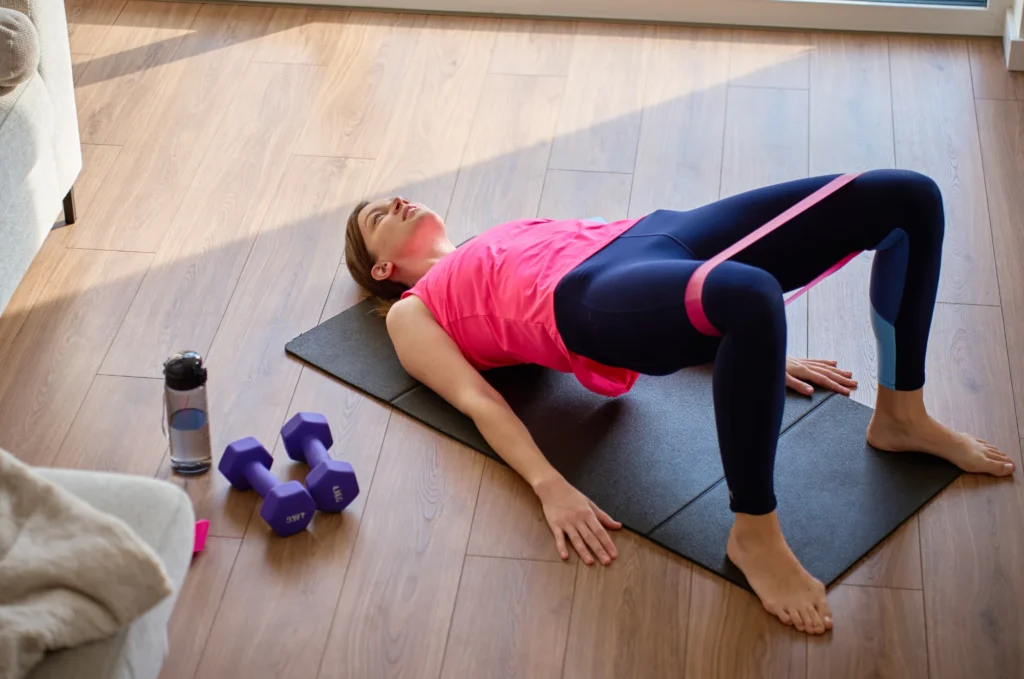
- Bridge: Lie on the back with knees bent and feet flat. Lift the hips to form a straight line from knees to shoulders.
- Dead bug: Lie on the back with arms up and knees at 90 degrees. Slowly lower the left leg while keeping the back flat. Repeat on the other side.
- Knee to chest stretch: Lie on the back and pull one or both knees to the chest to decompress the lumbar spine.
- Child’s pose: From hands and knees, sit back onto the heels and walk the arms forward for a gentle lumbar stretch.
- Prone press-up: Lie on your stomach with palms flat under the shoulders. Press up through the arms while keeping the hips down to extend the lumbar spine.
There is no single best exercise for lower back pain. The right choice depends on the diagnosis, level of mobility, and stage of recovery.
What helps someone with stenosis may aggravate someone with a herniated disc. This is why individualized plans produce better long-term results than generic workouts for lower back pain.
Physical Therapy Exercises for Lower Back Pain and Sciatica
Sciatica is pain, tingling, or numbness that runs from the low back through the buttock and into the leg along the sciatic nerve. When it is present, the PT adjusts the exercise program, and sciatica treatment through physical therapy focuses on reducing nerve pressure while avoiding positions that aggravate the nerve.
Extension moves, such as prone press-ups, often help by encouraging disc material to shift away from the nerve. Forward bending and prolonged sitting tend to compress the nerve and are avoided early in treatment.
Nerve mobilization techniques may be added once acute symptoms ease. Readers wondering whether physical therapy helps sciatica can find a more detailed breakdown of the evidence and what to expect from treatment.
Low Back Pain Physical Therapy Management: Timelines and Expectations
Acute low back pain with no nerve involvement often improves within four to six weeks. Disc pain with sciatica may take eight to twelve weeks. Chronic pain that has lasted months or years needs a longer course and a focus on building lasting movement habits.
Recovery speed depends on the diagnosis, how long the pain has been present, baseline fitness, and how consistently the patient follows the home exercise program. Sedentary work habits and poor sleep can also slow progress.
Early signs that physical therapy for lower back problems is working include pain becoming more localized, symptoms dropping in intensity, and better ability to manage daily activities. If pain persists or spreads after several weeks of consistent treatment, the PT should reassess the plan.
When to See a PT vs. When to Seek Urgent Care
Some symptoms need medical review before PT starts. Loss of bladder or bowel control, numbness in the groin or inner thighs, sudden severe leg weakness, or back pain after a serious fall all need prompt attention. These can signal nerve root or spinal cord damage that PT alone cannot treat.
If pain does not improve after a full course of PT, or if imaging shows structural problems not responding to conservative care, a referral for further evaluation may be needed. PT can still play a role after procedures like epidural steroid injections or surgery.

How to Choose a Physical Therapist for Low Back Pain
Before booking, ask how much experience the PT has with low back pain specifically, whether sessions are one-on-one or in a shared gym setting, and what a typical session looks like. A licensed physical therapist holds a DPT or MPT degree and must be licensed in the state where they practice.
Extra training in areas such as the Graston Technique or orthopedic manual therapy indicates a more focused clinical background. Experience with conditions similar to the patient’s case matters more than total years of practice alone.