
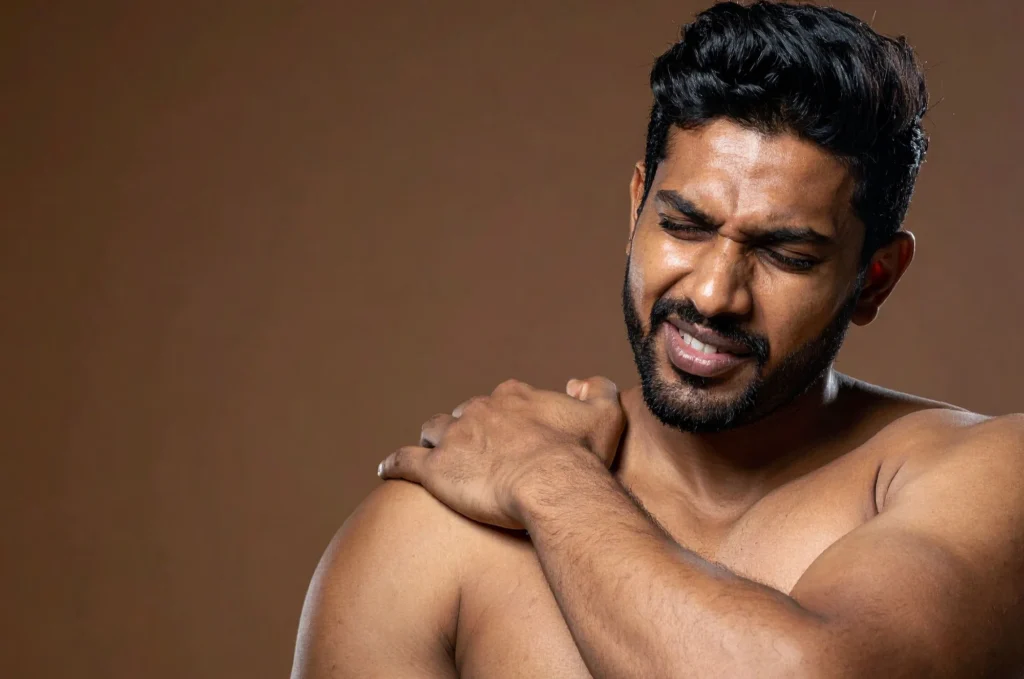
A SLAP tear physical therapy treatment plan focuses on reducing shoulder pain, improving motion, and rebuilding shoulder strength. A SLAP lesion affects the upper portion of the labrum, where the biceps tendon attaches near the shoulder joint.
For the clinical context, this article was reviewed with input from Keith Chan, a New York State licensed physical therapist at ITNYCPT in New York City. Recovery depends on the type of tear, symptoms, activity level, and whether care is non-surgical or post-surgical.
Key Takeaways
- Physical therapy for a SLAP tear focuses on reducing pain, restoring motion, and improving shoulder control.
- Rehab may help without surgery when the shoulder has no major instability or severe mechanical symptoms.
- SLAP lesion rehabilitation exercises usually progress from gentle motion to rotator cuff strength, shoulder blade control, and activity-specific loading.
- Recovery can take 6 to 12+ weeks without surgery, while post-surgery rehab often takes several months.
- Medical care may be needed if pain follows trauma, strength suddenly drops, numbness spreads, or the shoulder feels unstable.
Does Physical Therapy Help a SLAP Tear
Physical therapy can help many people manage a SLAP lesion, especially when the shoulder injury does not cause major instability.
Conservative treatments may include movement retraining, strengthening, manual therapy, a home exercise plan, and other PT solutions for shoulder pain. The goal is to improve shoulder function, not to promise that the tear will disappear.
Can a SLAP Lesion Heal With Physical Therapy
A SLAP lesion may not heal as a minor muscle strain would. Rehab can still reduce symptoms by helping the rotator cuff, shoulder blade, and nearby muscles support the shoulder. This can make lifting, reaching, and overhead activities feel more controlled.
SLAP Tear Rehab Without Surgery
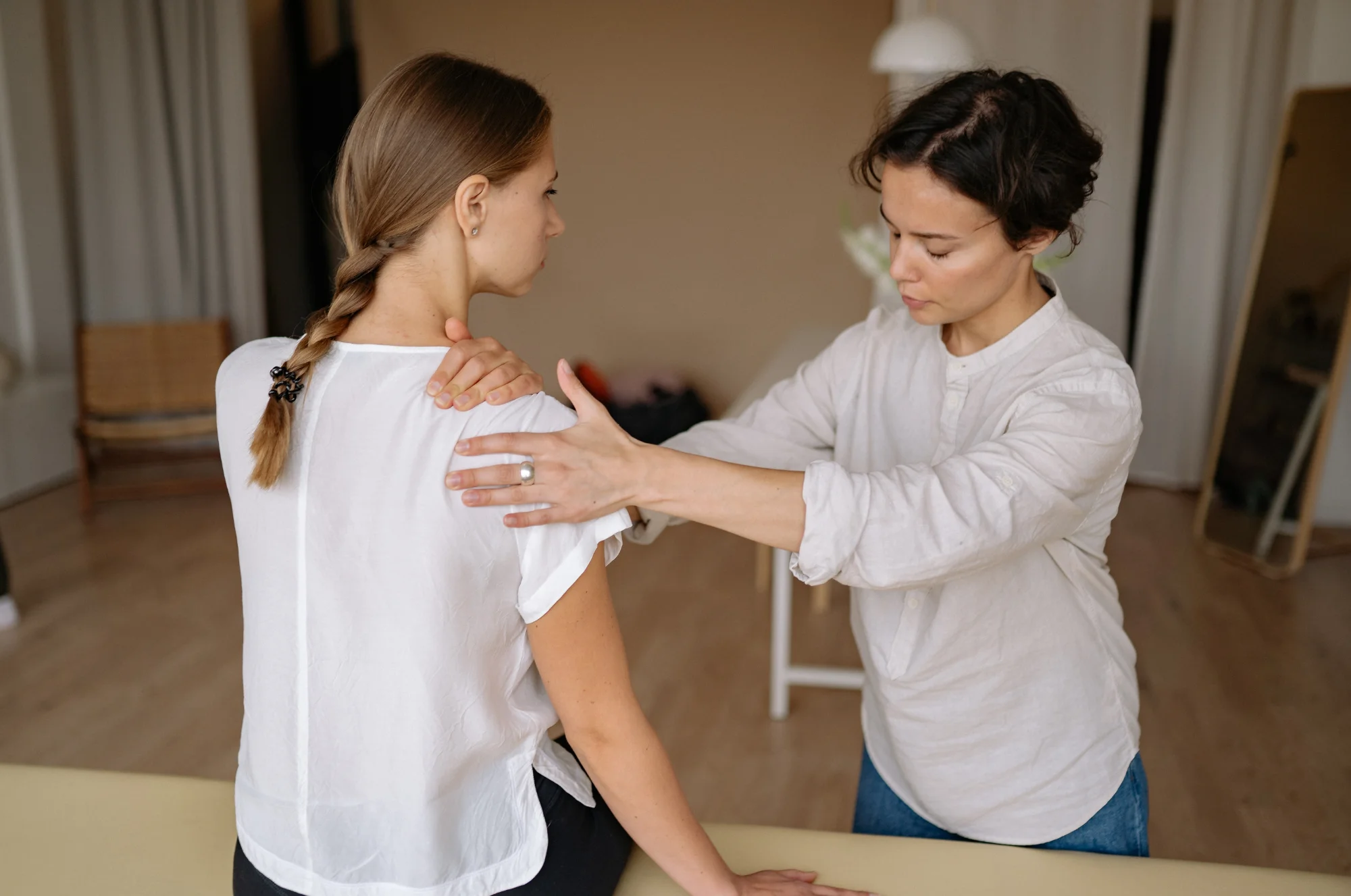
Rehab physical therapy for SLAP lesion symptoms often starts with pain control and safe movement. A physical therapist may review your history, test internal rotation and other shoulder motions, check strength, and set goals. The plan changes as symptoms improve.
What a SLAP Tear Means
SLAP stands for superior labrum anterior to posterior. The labrum helps deepen the shoulder socket and support the shoulder joint. A tear can happen from repetitive overhead stress, a fall on an outstretched arm, or a blow to the shoulder.
Common Symptoms
Common symptoms include shoulder pain, clicking, catching, weakness, and pain with lifting. Some people feel symptoms during overhead sports or throwing. Others notice pain during reaching, pushing, pulling, or sleeping on the affected side.
SLAP Tear Types and Treatment
SLAP lesion type 1 treatment often focuses on irritation or fraying, so that physical therapy may be used first. Treatment for a Type 3 SLAP lesion may vary because the tear pattern can lead to more mechanical symptoms. Imaging helps, but symptoms and function also guide care.
Imaging Findings and Symptoms
MRI findings do not always match pain levels. Some people have labral changes on imaging but little or no shoulder pain, while others have symptoms that affect lifting, reaching, or overhead sports. This is why physical therapy decisions should consider both the imaging results and the person’s actual function.
How Rehab for SLAP Tear Works
Rehab for SLAP lesion symptoms starts with a physical therapy evaluation. The therapist reviews your history, checks your shoulder range of motion, tests your rotator cuff strength, assesses your scapular control, and asks which activities cause pain. This helps create an individualized plan of care based on your symptoms, goals, and daily demands.
Early rehab usually focuses on pain control and safe motion. The goal is to restore the range of motion without irritating the shoulder joint. Treatment may include gentle mobility drills, supported shoulder movements, manual therapy, and soft-tissue work when stiffness limits progress.
As symptoms improve, rehab shifts toward strength and shoulder control. Exercises often target the rotator cuff, shoulder blade muscles, and controlled movement during reaching or lifting. Pilates-based therapeutic exercise may also support core strength, mobility, and return to activity when it fits the patient’s plan.
SLAP Lesion Rehabilitation Exercises
SLAP lesion rehabilitation exercises should match the stage of recovery. Early exercises build control before heavier loading. Later exercises build strength, endurance, and confidence with higher-demand tasks.
Common rehab examples include:
- Gentle shoulder range of motion
- Shoulder blade control drills
- The rotator cuff works with the elbow bent
- Internal rotation and external rotation drills
- Wall slides or controlled reaching
- Light loading near 90 degrees when tolerated
Specific SLAP lesion rehabilitation exercises often depend on pain, strength, and the phase of rehab. Early work may include table slides, pendulum movements, scapular retractions, and light rotator cuff activation with the elbow bent.
Middle and later phases may include resistance-band internal and external rotations, wall slides, serratus punches, rows, and controlled overhead loading near 90 degrees when tolerated.
Early, Middle, and Late Phase Exercises
Early exercises may include pain-free motion, posture work, and light activation. Middle-phase work may include bands, light weights, and controlled reaching patterns. Late phase work may include overhead strength, plyometrics, throwing progressions, or job-specific lifting.
SLAP Tear Exercises to Avoid
Some exercises may irritate symptoms, especially early in rehab. Deep dips, heavy overhead pressing, aggressive throwing, and painful end-range stretching may be too much for some shoulders. The issue is often timing, load, and symptom response.
How Long SLAP Lesion Rehab Takes
SLAP lesion rehab usually takes 6 weeks to several months, depending on the injury and treatment path. Most people notice early improvement in pain and motion within 4 to 8 weeks, but full recovery for higher-demand tasks often takes longer. Timelines vary based on tear type, activity level, and the shoulder’s response to load.
Non-Surgical and Post-Surgery Timelines
For non-surgical rehab, the general timeline looks like this:
- Weeks 0 – 4: focus on pain control and restore range of motion
- Weeks 4 – 8: begin strengthening the rotator cuff and shoulder blade
- Weeks 8 – 12+: progress to higher load, overhead activities, and return to sport or work
For post-surgery rehab, recovery is longer and more structured:
- Weeks 0 – 6: protect the repair, limited shoulder use
- Weeks 6 – 12: restore motion and begin light strength work
- 3 – 6 months: build strength and return to controlled activity
- 6+ months: gradual return to overhead sports or heavy work
These are general ranges. Some people move faster, while others need more time due to pain, stiffness, or workload demands. Regular reassessment helps adjust the plan as recovery progresses.
Expanded Timeline Context
Recovery timelines are not fixed. Some people improve within 6 to 8 weeks if symptoms are mild and daily demands are low. Others may need 12 weeks or more to return to repetitive overhead activities, heavy lifting, or overhead sports.
Post-surgery recovery usually takes longer because the repair needs protection before strength and sport-specific loading can progress.
What Affects Recovery Results
Recovery varies by tear severity, health history, pain sensitivity, sleep, job demands, sport demands, and consistency. A desk worker may progress differently from a baseball player or a construction worker. The plan should match the person’s real workload.
When Surgery May Be Discussed
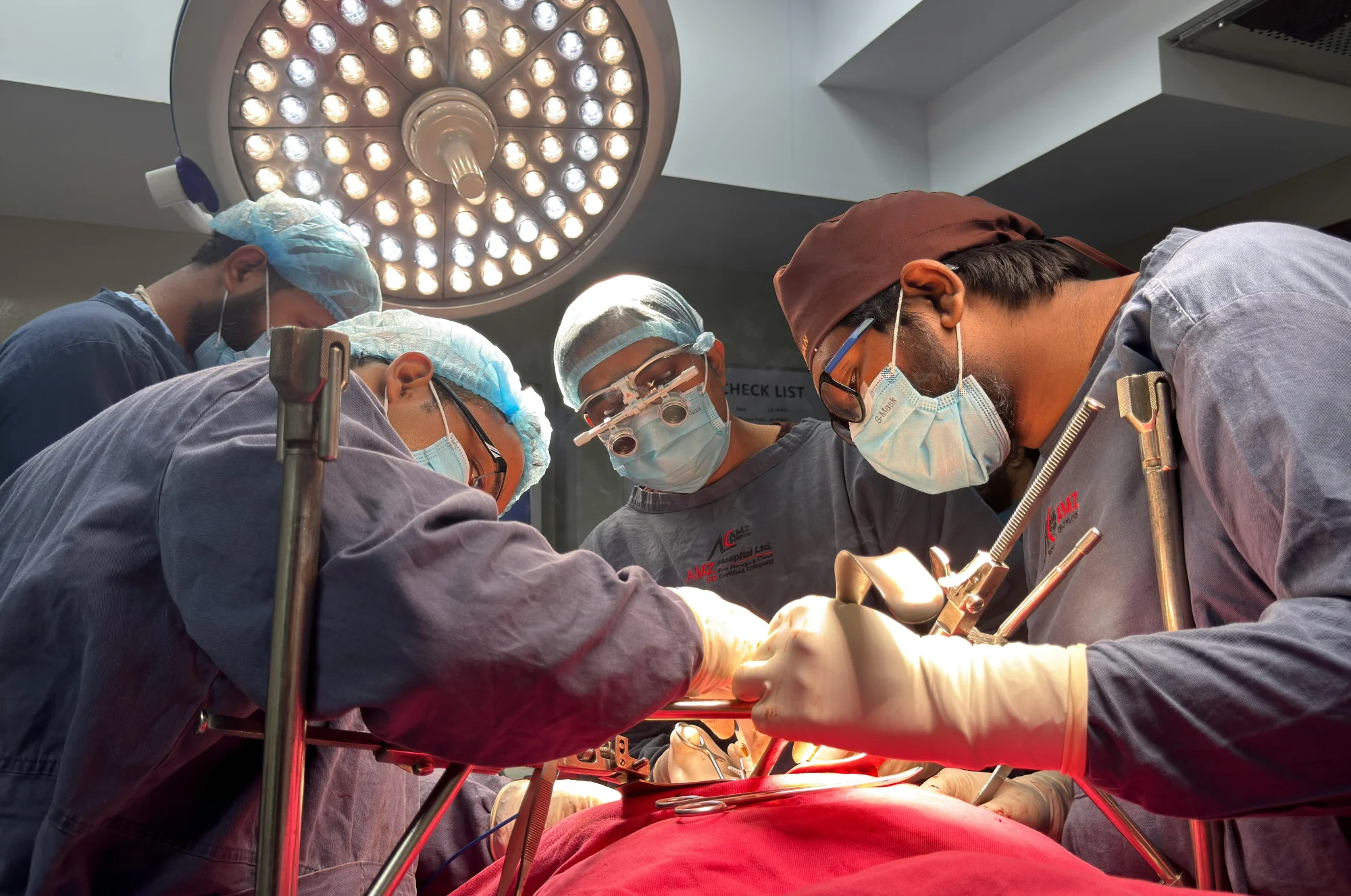
Surgery may be discussed when conservative treatments do not improve symptoms enough. It may also come up when the shoulder has catching, instability, or sport demands that do not respond to rehab. A physician or orthopedic specialist can explain surgical options.
When to Seek Medical Care
Seek medical care if pain follows a fall, a blow to the shoulder, or a sudden loss of strength. You should also get evaluated if the shoulder feels unstable, numbness spreads down the arm, or pain keeps worsening. Urgent symptoms need prompt medical attention.