Blog

Baker’s Cyst Treatment With Physical Therapy and Exercise

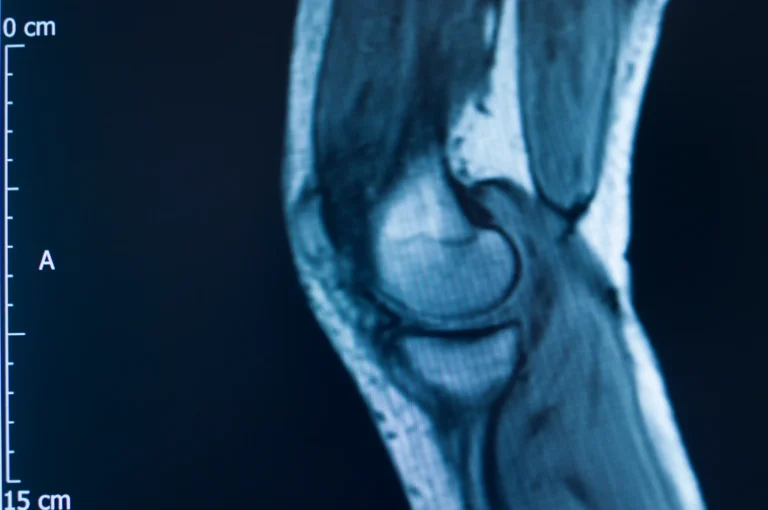
A Baker’s cyst treatment physical therapy plan may reduce stiffness, restore movement, improve strength, and make daily activities easier. Physical therapy does not drain every cyst, so treatment often focuses on the knee condition causing excess joint fluid.

Ankylosing Spondylitis Physical Therapy: A Patient Guide

Physical therapy can help manage pain, maintain mobility, improve posture, and support daily function. Ankylosing spondylitis physical therapy often includes stretching, strengthening, posture work, breathing exercises, and low-impact aerobic activity. It may reduce stiffness and help preserve movement, but it cannot cure the disease or guarantee that spinal fusion will not occur.

A physical therapist adjusts the plan based on symptoms, bone health, joint changes, fitness, and goals. Treatment may also change during flares. Medical care from a rheumatologist remains important because exercise does not control the underlying inflammation.

Bell’s Palsy Treatment Physical Therapy Guide

Bell’s palsy physical therapy may help improve facial movement, symmetry, and control when exercises are tailored to the stage of recovery.

A bell’s palsy treatment physical therapy plan often includes targeted facial exercises, gentle facial massage, mirror feedback, and neuromuscular retraining to help the nerve and muscles work together.

Short practice sessions, often 5–10 careful repetitions done 2–3 times per day, may be more useful than long or forceful exercise sessions.

Osteogenesis Imperfecta Physical Therapy Exercises

Osteogenesis imperfecta physical therapy exercises may help people with OI improve strength, balance, posture, walking ability, and daily function. Still, you must adapt the exercises to fracture risk and medical history.

Genu Valgum Treatment Physical Therapy Guide

Genu valgum means the knees angle inward when a person stands, often causing the knees to touch while the ankles stay apart.

A physical therapy plan for genu valgum may help. It can help when alignment issues stem from weakness. It can also help when they are caused by poor control, limited motion, or movement habits.

Kinesio Tape for Physical Therapy: What to Know

Kinesio tape for physical therapy is a stretchy, elastic tape applied to the skin to support movement while allowing a normal range of motion. It may help reduce swelling, improve body awareness, and provide short-term pain relief during rehabilitation, exercise, or daily activities. Some taping methods are designed to gently lift the skin, which may support lymphatic drainage and reduce pressure on sensitive tissues.

The benefits of kinesio tape vary by condition, application technique, and individual response. It is most often used as one part of a broader physical therapy plan that may also include exercise, movement training, and education, rather than as a standalone treatment.

Humeral Fracture Physical Therapy: Recovery Guide

Physical therapy for a humerus fracture helps restore shoulder and arm function after the bone is stable enough to move safely. Humeral fracture physical therapy usually starts with pain control, gentle assisted motion, and stiffness prevention, then progresses toward active movement, rotator cuff strength, and daily use.

Recovery varies by fracture type, surgery status, bone healing, and medical restrictions, but many programs move from protected motion to strengthening over several months.

A good recovery plan does not rush the process. Early rehab protects the healing bone, while later rehab builds range of motion, strength, and confidence with tasks like dressing, reaching, lifting, and returning to work or exercise. The safest plan follows the provider’s restrictions and adjusts exercises based on pain, movement quality, and healing progress.

Physical Therapy After Back Surgery: Recovery Guide

Physical therapy after back surgery helps patients rebuild movement, strength, and confidence. The plan depends on the type of surgery, postoperative restrictions, pain level, nerve symptoms, and the surgeon’s instructions.

You receive structured, one-on-one care designed to improve movement and support a more painfree and active life. Our physiotherapists can help you.
Keith Chan
Keith Chan, MPT, CKTP
A New York State licensed physical therapist with over ten years of clinical experience treating a wide range of patients. He earned his Master’s degree in Physical Therapy from CUNY Hunter College after attending Texas A&M University. He also brings extensive fitness expertise, with more than 17 years of experience as a certified personal trainer.
IN TOUCH NYC LOGO WHITE
In Touch NYC Physical Therapy delivers one-on-one care with licensed physical therapists — no aides, no shared sessions — at 3 Manhattan-area locations.

500+

Patients
Served

15+

Years Experience

98%

Patient Satisfaction

5.0★

Google Rating

SCHEDULING YOUR EVALUATION

Take the next step — one-on-one care with a licensed PT, tailored to your goals from day one.

Your recovery starts with one session

We assess your movement, identify the root cause of your pain, and build a clear plan — all in your first visit. No guesswork, just results.