

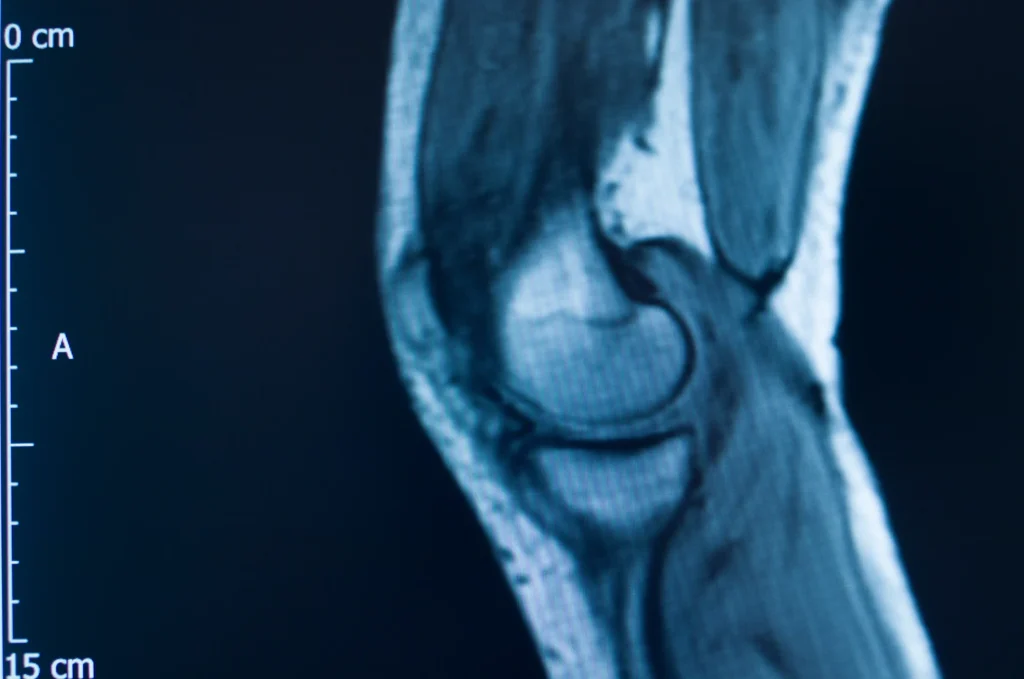
ACL replacement physical therapy isn’t a one-size-fits-all routine; it is part of a broader ACL rehabilitation plan that fits your recovery pace, surgery type, and activity goals.
At ITNYCPT in New York City, licensed physical therapists, including Keith Chan, provide one-on-one care. Keith is a New York State-licensed physical therapist with more than 10 years of experience working with a wide range of patients, including those recovering from ACL injuries and other orthopedic conditions.
Key Takeaways
- ACL replacement physical therapy follows four distinct phases, moving from protecting the knee and reducing swelling in the first two weeks to sport-specific training by six months or later.
- Recovery timelines vary widely, generally four to nine months of supervised care, depending on graft type, age, job demands, and consistency with home exercises.
- ACL repair and ACL reconstruction use different surgical techniques, so physical therapy protocols differ in pace and precautions even though early exercises like quad sets and heel slides overlap.
- Prehabilitation before surgery, which focuses on reducing swelling and building baseline strength, is linked to a smoother early recovery and is a standard option for patients awaiting an operation date.
- Not every ACL tear requires surgery; for select patients, non-surgical rehabilitation can restore functional knee stability based on activity level and tear pattern.
How ACL Reconstruction Physical Therapy Works
ACL injury physical therapy often starts with a formal evaluation. It then moves into supervised sessions that change over time. These changes depend on how the knee responds.
A physical therapist reviews surgical history, tests range of motion and strength, and sets measurable goals before building a plan of care.
This individualized approach means two patients with the same surgery date may follow different exercise progressions. This depends on pain, swelling, and quadriceps activation.
What Happens in Your First PT Session
The first session focuses on assessment, not intense exercise. A physical therapist checks incision healing, measures knee flexion and extension, and evaluates quadriceps activation.
From there, the therapist sets a baseline plan of care, often including early range-of-motion exercises and simple strengthening like quad sets.
How Often Physical Therapy Happens after ACL Surgery
Most patients attend physical therapy two to three times per week during the early months after surgery, then taper to once or twice weekly as strength and control improve.
Frequency depends on surgical protocol, insurance coverage, and how the knee is progressing. A home exercise program fills the gaps between sessions and directly affects how well someone bends their knee and builds strength between visits.
How Long ACL Physical Therapy Takes
Supervised physical therapy after ACL reconstruction surgery generally lasts four to nine months, with return-to-sport training sometimes extending past that window.
Timelines vary based on graft type, job demands, and whether a patient is returning to competitive sports or everyday activity. Long term, full knee function and confidence in the knee joint can keep improving well past the end of formal therapy.
ACL Repair vs. Reconstruction Physical Therapy
ACL repair and ACL reconstruction are different surgical approaches, and physical therapy adjusts based on which one a patient has.
Repair preserves the original ligament tissue, while reconstruction replaces the torn anterior cruciate ligament (ACL) with a graft. Both require structured rehabilitation, but the pace and precautions differ.
How the ACL Repair Protocol Differs
A repair protocol is often more conservative in the first few weeks because the native tissue needs time to heal before it can handle load. Reconstruction surgery, by comparison, usually allows a steadier early progression because the graft is secured differently.
A physical therapist will follow the surgeon’s specific protocol rather than a generic timeline, since weight-bearing and motion restrictions can vary.
How Repair Exercises Differ from Reconstruction
Early repair exercises tend to limit knee flexion for longer, while reconstruction exercises after ACL replacement often progress range of motion more quickly.
Both pathways include quad sets, heel slides, and gentle hamstring curl work early on. The exercises converge more closely once pain and swelling resolve and muscle strength becomes the main focus.
ACL Replacement Physical Therapy Exercises by Phase
Post-ACL reconstruction surgery exercises are typically organized into phases, each with its own goals and exercise list.
This structure protects the healing graft early on, then gradually adds load, balance, and sport-specific movement, following the same progression used in post-surgery rehabilitation exercises across most ACL recovery plans.

Phase 1 Exercises: The First 2 Weeks
The first two weeks focus on reducing swelling, protecting the knee, and restoring basic motion. A physical therapist may also use manual therapy, such as soft tissue work or joint mobilization, to ease stiffness during this period. Common exercises include:
- Heel slides to regain knee bend
- Knee extension exercises to restore full straightening
- Quad sets to activate the quadriceps muscle
- Ankle pumps to support circulation and reduce swelling
- Straight leg raises once quad control allows
Phase 2 Exercises: 3 to 6 Weeks
By weeks three to six, range-of-motion exercises expand, and light resistance work begins to help patients regain strength around the knee joint. Hamstring curl exercises, stationary cycling, and continued straight leg raises help rebuild muscle strength around the knee.
Some clinics also introduce neuromuscular electrical stimulation during this phase to help re-activate a quadriceps muscle that has been inhibited since surgery. Most patients are weaned off crutches during this window, guided by their physical therapist’s assessment of quadriceps control.
Phase 3 Exercises: Building Strength and Workouts
This phase shifts toward strength training with exercises like mini squats, step-ups, and single-leg balance work. Patients often stand with feet shoulder-width apart for squat variations, which helps distribute load evenly across both legs.
Manual therapy techniques, including instrument-assisted soft tissue work like the Graston Technique, are sometimes used in this phase to address tightness in the quadriceps, hamstrings, or surrounding muscles that can build up during rehab.
Keith Chan, a Graston Technique provider at ITNYCPT, is one example of a clinician trained in this approach. At this stage, workouts after ACL surgery also introduce light resistance bands to continue building quadriceps and hamstring strength.
Phase 4 Exercises: Returning to Sport
Phase 4 introduces running progressions, agility drills, and sport-specific movement patterns at a higher intensity than earlier phases. Sports medicine principles guide this phase, emphasizing testing knee stability before clearing someone for high-level cutting, pivoting, or jumping.
Objective strength testing, not just time since surgery, typically determines readiness to advance. Some clinics use movement analysis tools during this phase to screen for compensation patterns that could raise reinjury risk before a patient returns to full activity.
Exercises from 6 Months to 1 Year
Between six months and one year, exercises after ACL replacement often shift toward maintaining strength and refining movement quality for long-term knee health.
Many patients continue strength training independently, with periodic check-ins to confirm balanced strength between both legs. This phase matters for reducing reinjury risk, even after formal therapy has ended.
What Affects Your Recovery Timeline
Recovery timelines vary from person to person, even with similar surgeries. Several factors shape how quickly someone progresses through physical therapy after an ACL injury.
Graft Type and Surgical Technique
The graft type (patient’s own tissue or donor graft) can influence early rehabilitation precautions and timelines. Surgical technique and any accompanying repairs, such as meniscus work, also affect how aggressively therapy can progress and how the knee joint tolerates early load.
Age, Activity Level, and Consistency
Training age, prior fitness, and consistency with home exercises all influence outcomes. Job demands, sleep, and pain sensitivity can also shape how someone tolerates and responds to a progressive loading program.
Prehab and Non-Surgical Options for ACL Injuries
Not every ACL injury leads straight to surgery, and some patients benefit from physical therapy before scheduling an operation.
What a Prehab Program Includes
Prehabilitation focuses on reducing pain and swelling, restoring motion, and helping patients regain quadriceps and hamstring strength before surgery. Going into surgery with stronger muscles and less swelling is associated with a smoother early recovery.
A physical therapist may also use manual therapy or tools like the Graston Technique to address soft tissue restrictions during this period.
At ITNYCPT, Keith Chan, a Graston Technique provider and former Tier 3 personal trainer with 17-plus years of strength and conditioning experience, applies this background when building prehab plans for patients preparing for ACL surgery.
Treating a Ligament Tear without Surgery
Non-surgical ligament tear management focuses on building dynamic knee stability through muscle strength, since the ligament itself will not heal on its own. This approach works best for select patients, depending on activity demands, tear pattern, and overall goals.
For some patients, sports physical therapy can help avoid surgery altogether when the injury and activity demands allow for it.
Progress is measured through strength testing and functional performance rather than imaging alone.
Recovery Progress and When to Seek Care
Steady improvement in range of motion, strength, and confidence with daily activities signals on-track recovery. Reassessment at regular intervals helps a physical therapist adjust the plan of care as goals shift; at a high level, this is how progress is measured from phase to phase.
Sudden increases in swelling, new instability, or sharp pain beyond normal exercise soreness warrant calling the surgical or physical therapy team.

Insurance and Cost Questions for ACL Physical Therapy
Insurance coverage for ACL physical therapy varies by plan, and understanding a few basic terms helps patients plan:
- Deductible: the amount paid out of pocket before insurance begins covering services
- Copay: a fixed fee paid per visit
- Coinsurance: a percentage of the cost shared between patient and insurer
- Out-of-network: providers not contracted with a specific insurance plan, which may affect cost
Patients are encouraged to confirm visit limits and authorization requirements directly with their insurer before starting care.
Frequently Asked Questions about ACL Physical Therapy
Is Physical Therapy Painful after ACL Surgery?
Some discomfort is normal, especially during range-of-motion and early strengthening work, but physical therapy should not cause sharp or worsening pain. A physical therapist adjusts intensity based on how the knee responds, since pushing too hard too early can slow healing. Patients are encouraged to report pain that feels different from normal exercise soreness.
Can I Do Physical Therapy Exercises at Home?
Yes, a home exercise program is a standard part of ACL replacement physical therapy and supports progress made during in-clinic sessions. Home exercises typically match the current rehab phase, starting with simple range-of-motion work and progressing to strength training as the knee tolerates more load. Consistency with the home program directly affects how quickly someone regains strength.
When Can I Walk Normally after ACL Surgery?
Most patients walk without crutches within two to six weeks, depending on surgical protocol and how quickly quadriceps control returns. Walking without a limp is usually a Phase 2 goal, not an immediate outcome of surgery. A physical therapist tracks this milestone during ongoing reassessment.
Do I Need a Referral for Physical Therapy after ACL Surgery?
Referral requirements depend on state law and individual insurance plans, so confirm them directly with a provider or insurer. Many surgeons also provide a written protocol for the physical therapist to follow after ACL reconstruction surgery. Checking insurance requirements early helps avoid delays in starting care.
What Is the Difference between Prehab and Rehab?
Prehab refers to physical therapy completed before surgery, focused on reducing pain and swelling and building baseline strength. Rehab refers to the structured phases of physical therapy that follow surgery. Both aim to support the same outcome: a knee joint that regains strength and function over time.
Does Pilates-Based Exercise Help ACL Recovery?
Some clinicians use a Pilates-based therapeutic exercise approach alongside traditional physical therapy to support core strength, control, and a smoother return to activity.
This approach doesn’t replace standard rehab exercises but can complement them, especially in later phases focused on movement quality. A physical therapist can advise whether this approach fits a specific recovery plan.