

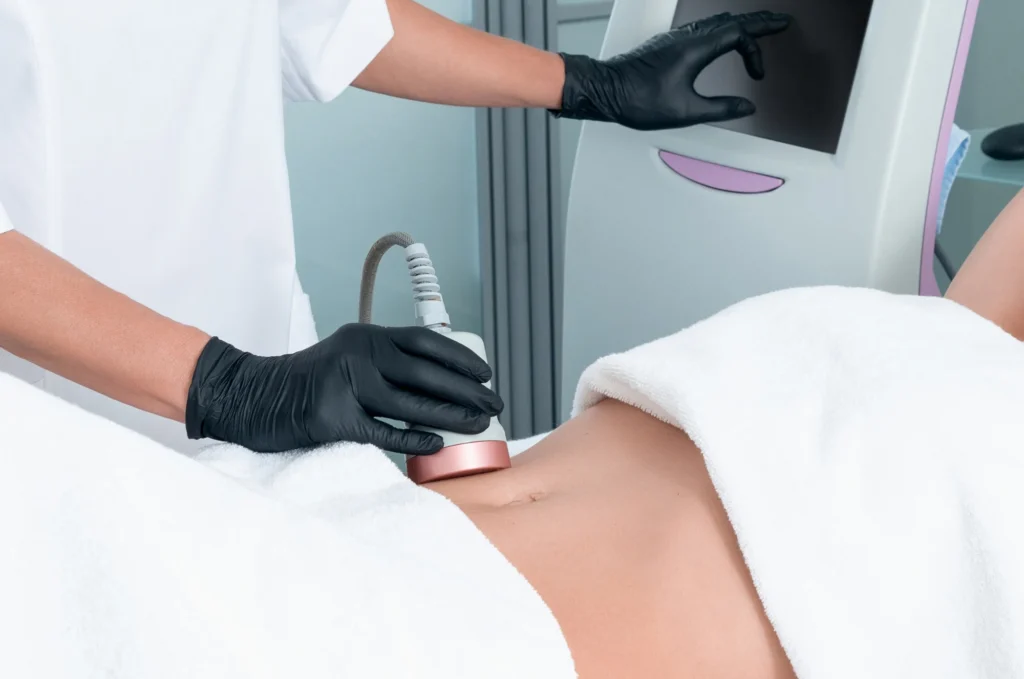
Indiba body treatment uses radiofrequency energy to heat tissue beneath the skin. This triggers the body’s natural repair responses without surgery or downtime.
At In Touch NYC Physical Therapy, Keith Chan is a New York State-licensed physical therapist. He uses technology in care plans with hands-on treatment and therapeutic exercise.
Key Takeaways
- INDIBA is a noninvasive radiofrequency treatment that operates at 448 kHz, allowing energy to reach deeper tissues beneath the skin without surgery, needles, or downtime.
- The technology has two distinct applications: aesthetic uses such as body contouring, cellulite reduction, and skin tightening, and therapeutic uses including post-surgical recovery, inflammation reduction, and chronic pain management.
- Results are not immediate. They develop gradually across a series of treatments, with most protocols starting at 6 to 8 sessions spaced one week apart, followed by maintenance treatments every four to six weeks.
- The treatment is well tolerated by most patients, with temporary redness and warmth as the most common effects. However, it is not suitable for patients with implanted electronic devices, active skin infections, or certain cardiovascular conditions.
- At In Touch NYC Physical Therapy, INDIBA is integrated with Pilates-based therapeutic exercise and the Graston Technique as part of individualized care plans, at $120 per session.
What INDIBA Actually Does to the Body
The treatment sends radiofrequency energy into tissue and creates controlled heat beneath the skin. For a broader explanation, learn what INDIBA is and how the technology works. The temperature reached in the target area determines what happens next. Different heat levels produce different clinical results.
The Three Biological Responses INDIBA Triggers
Three distinct responses occur based on tissue temperature.
- Biostimulation uses low heat. It activates collagen-producing cells and improves local circulation.
- Vascularization uses moderate heat. It widens blood vessels, increases blood flow, and boosts cellular activity.
- Hyperactivation uses high heat. It raises cell metabolism, increases collagen output, and breaks down fat in the target area.
Low heat favors recovery and skin tightening. High heat targets sagging skin and body contouring.
What Is INDIBA Treatment Used For
The technology has two main uses: aesthetic body treatment and physical rehabilitation. Learn more about INDIBA treatment and how it is used for different clinical and aesthetic goals. The same device handles both. Settings shift based on the clinical goal.
Body Contouring, Slimming, and Cellulite Reduction
The therapy targets stubborn fat and uneven skin in areas that resist change. Common treatment areas include:
- Abdomen, flanks, and thighs
- Arms, buttocks, and upper back
- Chin and neck
High heat breaks down fat cells. Lower heat supports skin tightening by stimulating collagen in the overlying tissue. Results build across a series of treatments, not after one visit.
Tissue Healing, Pain Relief, and Post-Surgical Recovery
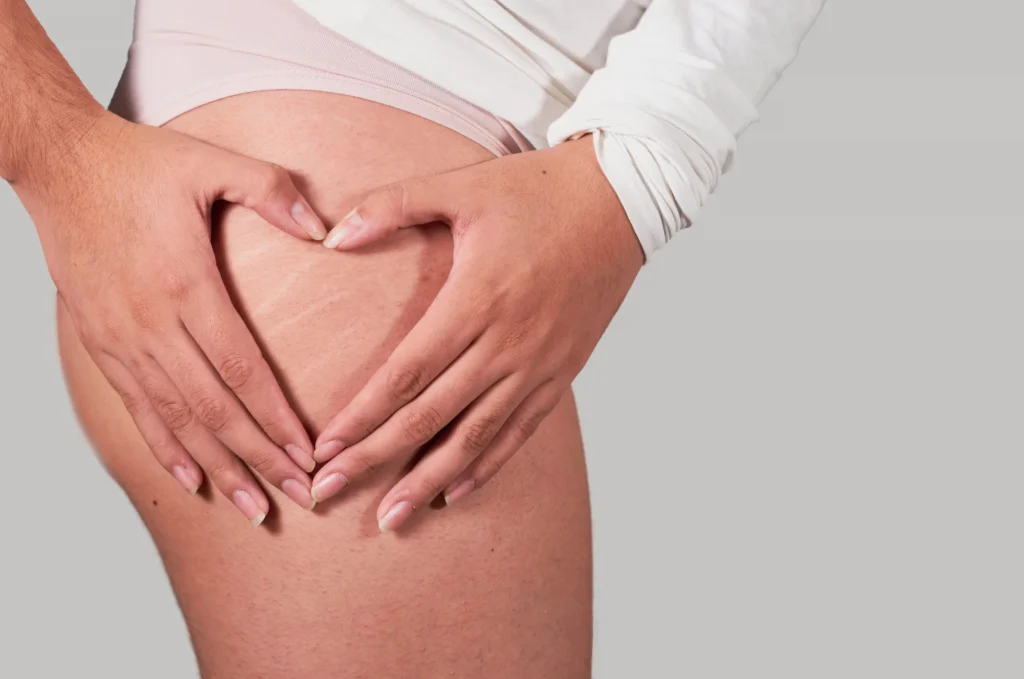
Indiba therapy lowers inflammation and supports lymphatic drainage. It also helps improve tissue quality by increasing blood flow. The approach is used after surgery and for chronic joint and muscle conditions. Improved circulation and cellular activity help reduce pain and restore function over time.
How INDIBA Radiofrequency Therapy Works
Indiba radiofrequency therapy runs at a frequency of 448 kHz. This lets radiofrequency energy reach deeper tissues without damaging the skin’s surface. A conductive cream is applied first to improve energy transfer. The handpiece then moves across the area at a steady, controlled pace.
What Is RF Body Treatment
Radiofrequency treatment uses electrical energy to heat tissue beneath the skin. It does not disrupt the skin’s surface. The heat supports improved circulation, activates the body’s repair response, and stimulates tissue regeneration.
This technology stands out in its category through its operating frequency and dual-mode delivery. It is one of several physical therapy devices used in outpatient settings for tissue recovery and rehabilitation support.
Capacitive Mode (CET) vs. Resistive Mode (RET)
CET mode targets soft, surface-level tissue. It supports lymphatic drainage and is useful in post-surgical recovery. RET mode reaches deeper tissues and raises internal temperature for fat reduction and muscle and joint treatment. Most sessions combine both modes, adjusted to the treatment goal.
What to Expect During an INDIBA Session
Sessions involve no needles, incisions, or anesthesia. A conductive cream is applied to the skin first. The handpiece then moves across the treatment area in a steady motion. The procedure is noninvasive and does not disrupt the skin’s surface.
Session Length, Sensations, and Downtime
Sessions last 20 to 60 minutes depending on the area treated. The sensation is warm and steady, similar to a heated stone massage. Mild redness may appear after and clears within a few hours. There is no downtime, and normal activity can resume the same day.
Does INDIBA Really Work
Yes, but results depend on the condition being treated, the number of sessions completed, and individual tissue response. Learn more about whether INDIBA really works and what research and clinical experience suggest about its effectiveness.
Studies show real improvements in skin laxity, cellulite, and post-surgical recovery. The therapy is not a replacement for surgery when major structural change is needed.
INDIBA Treatment Side Effects
The therapy is well tolerated when a trained provider performs it at the right energy levels. Temporary redness and warmth are the most common effects and clear within a few hours.
Temporary redness and warmth are the most common effects and clear within a few hours. Learn more about INDIBA treatment side effects and other considerations before treatment.
Mild swelling or tenderness may follow deeper RET treatment, which is a normal response to heat and increased circulation.
The treatment is not suitable for patients with implanted electronic devices, active skin infections, or certain heart conditions.
INDIBA Treatment Cost and Number of Sessions
At In Touch NYC Physical Therapy, Indiba treatment is $120 per session. Most plans start with 6 to 8 sessions spaced one week apart, followed by maintenance treatments every four to six weeks.
The total number of sessions depends on the condition and how tissue responds. A clinical evaluation before starting helps set a realistic plan and timeline. How long physical therapy takes varies by condition, and the same applies here; more complex presentations typically require more sessions.
Who Is a Good Candidate for INDIBA
The therapy suits adults with mild to moderate skin laxity, localized fat, or cellulite who prefer a noninvasive option. It also fits patients recovering from body contouring surgery or managing chronic muscle and joint conditions.
Results develop gradually across sessions, not after one visit. Pregnant patients, those with implanted devices, or those with active skin infections in the treatment area are not candidates.
INDIBA Body Treatment in Physical Therapy
In a physical therapy setting, the technology supports physical therapy modalities such as manual therapy and exercise-based rehab. It improves circulation, lowers inflammation, and speeds tissue repair.
At In Touch NYC Physical Therapy, Keith Chan integrates Indiba body treatment with Pilates-based therapeutic exercise and the Graston Technique. This combination addresses both soft tissue and movement issues, supporting recovery without replacing the broader physical therapy process.