
Blog

Physical Therapy for Cancer Patients: A Complete Guide

Physical therapy for cancer patients covers care before, during, and after treatment, not just recovery once treatment ends. A physical therapist works alongside the oncology team, adjusting exercise and manual therapy to align with each treatment phase, from prehabilitation before surgery to rebuilding strength during survivorship.

The focus stays on restoring physical function and managing treatment side effects such as fatigue, pain, and lymphedema, so daily activities and independence return as fully as possible.
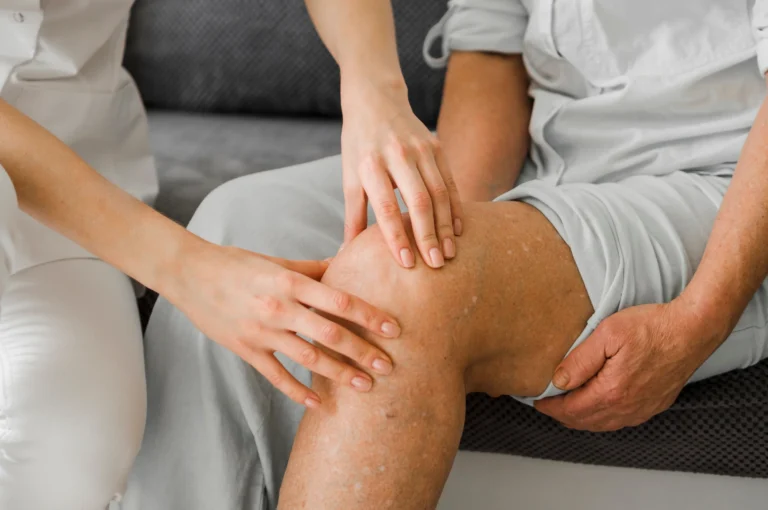
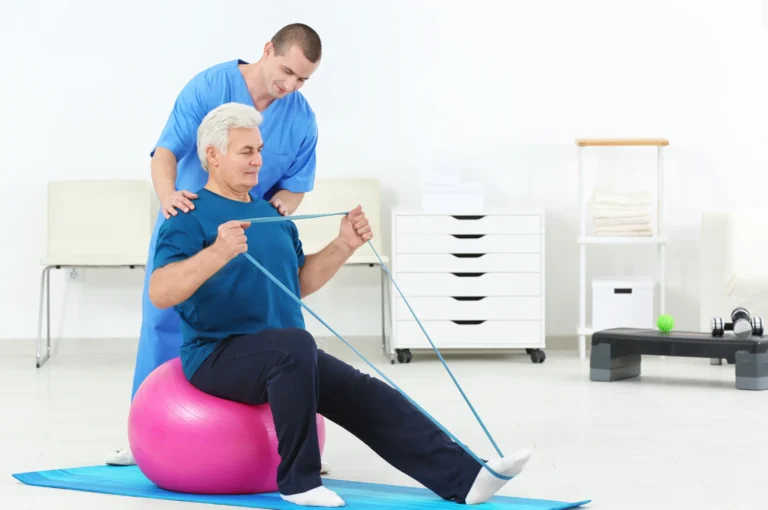
Physical Therapy for Knee Arthritis: What to Expect

Physical therapy for knee arthritis combines targeted exercises, strength training, and mobility work to reduce pain and improve your joint’s mobility. Most programs run for 8 to 12 weeks and focus on quad strengthening, range of motion, and low-impact aerobic activities like biking or swimming.

Guidelines from OARSI and the American College of Rheumatology rank this ahead of injections and long-term medication for most people with knee osteoarthritis.

History of Physical Therapy: Timeline and Key Changes

The history of physical therapy shows how movement, exercise, hands-on care, and rehab became part of modern health care. Physical therapy began as a way to help people recover after illness, injury, surgery, war, and disability.

Physical Therapy for Hip Arthritis: What to Expect

When hip pain limits how you walk, sleep, or climb stairs, it helps to know what treatment involves before you commit. Physical therapy for hip arthritis aims to reduce pain, improve mobility, and rebuild hip strength.

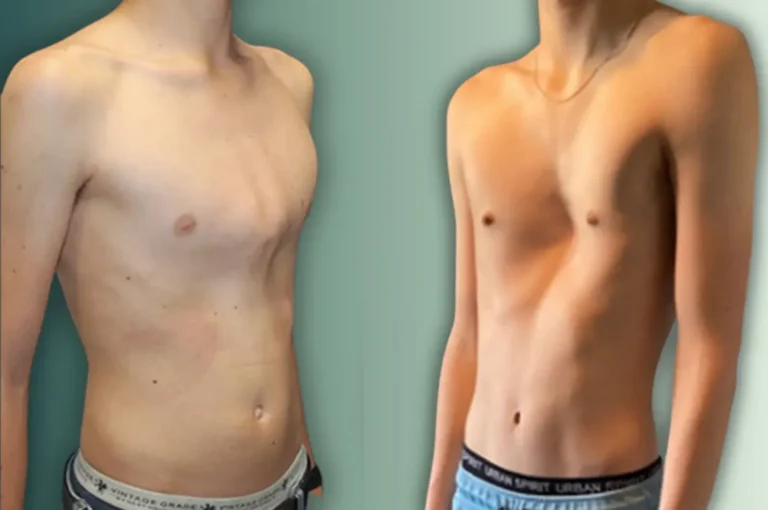
Pectus Excavatum Physical Therapy Treatment Options

Many people with a sunken chest want to know whether exercise can help before they consider surgery. Pectus excavatum physical therapy treatment focuses on posture, breathing, and chest muscles. It does not aim to move the breastbone itself.

It will not cure the chest wall deformity, but it can ease symptoms and support function in mild to moderate cases.

IT Band Pain Physical Therapy: Rehab, Exercises, Recovery

IT band pain physical therapy focuses on reducing irritation, improving hip and knee control, and helping you return to walking or running with less pain.

IT band pain often responds to a plan that combines activity changes, strengthening, mobility work, and gradual loading.

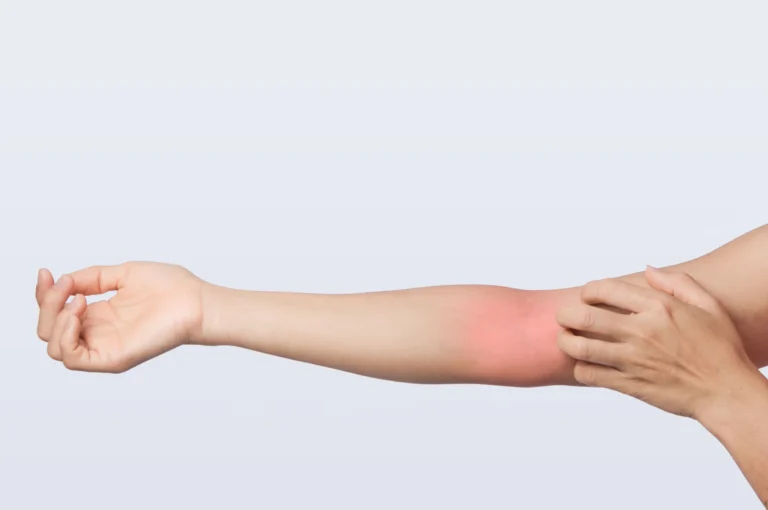
Forearm Muscle Strain Physical Therapy and Recovery

A forearm muscle strain happens when forearm muscles or tendons get overstretched, irritated, or overloaded. It can come from gripping, lifting, typing, sports, climbing, tool work, or sudden force.

Forearm muscle strain physical therapy can reduce pain, restore range of motion, rebuild grip strength, and guide a safe return to daily activity.

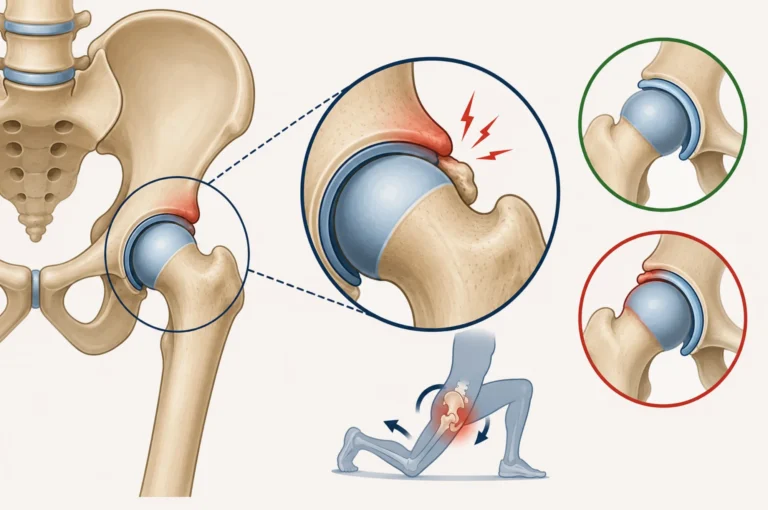
Femoroacetabular Impingement: Physical Therapy Exercises

If you have deep hip or groin pain during squats, long sitting, or sports, femoroacetabular impingement (FAI) may be the cause.

Femoroacetabular impingement physical therapy exercises are the main non-surgical treatment for this condition. They build hip strength, improve range of motion, and reduce painful movement patterns over time

Rotator Cuff Physical Therapy Treatment Exercise Guide

Rotator cuff physical therapy treatment uses a structured exercise plan to restore shoulder mobility, improve shoulder joint stability, and rebuild strength around the rotator cuff muscles. Treatment usually starts with gentle motion and stretching, then progresses to controlled strengthening exercises for the shoulder blade, rotator cuff, and surrounding shoulder muscles.

This approach can reduce pain, improve arm control, and help some people manage partial tears without surgery. The right exercise plan depends on the type of injury, pain level, weakness, daily activity demands, and whether the tear is partial or full-thickness.

A safe program should progress gradually, avoid sharp pain, and focus on movements that improve function rather than forcing the shoulder through discomfort.

Reflex Sympathetic Dystrophy Physical Therapy Treatment

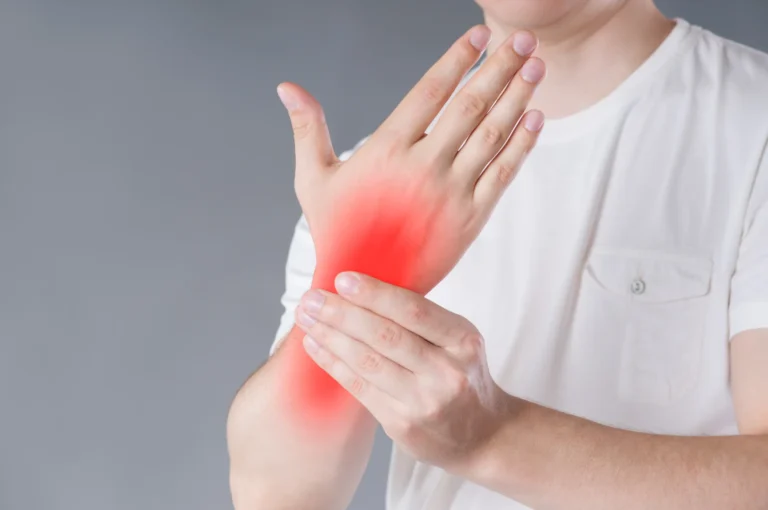
Reflex sympathetic dystrophy physical therapy treatment focuses on helping the affected limb tolerate movement, touch, weight, and daily activity with less sensitivity. Reflex sympathetic dystrophy is now more commonly called complex regional pain syndrome type 1, or CRPS type 1.

You receive structured, one-on-one care designed to improve movement and support a more painfree and active life. Our physiotherapists can help you.
Keith Chan
Keith Chan, MPT, CKTP
A New York State licensed physical therapist with over ten years of clinical experience treating a wide range of patients. He earned his Master’s degree in Physical Therapy from CUNY Hunter College after attending Texas A&M University. He also brings extensive fitness expertise, with more than 17 years of experience as a certified personal trainer.
IN TOUCH NYC LOGO WHITE
In Touch NYC Physical Therapy delivers one-on-one care with licensed physical therapists — no aides, no shared sessions — at 3 Manhattan-area locations.

500+

Patients
Served

15+

Years Experience

98%

Patient Satisfaction

5.0★

Google Rating

SCHEDULING YOUR EVALUATION

Take the next step — one-on-one care with a licensed PT, tailored to your goals from day one.

Your recovery starts with one session

We assess your movement, identify the root cause of your pain, and build a clear plan — all in your first visit. No guesswork, just results.