Blog

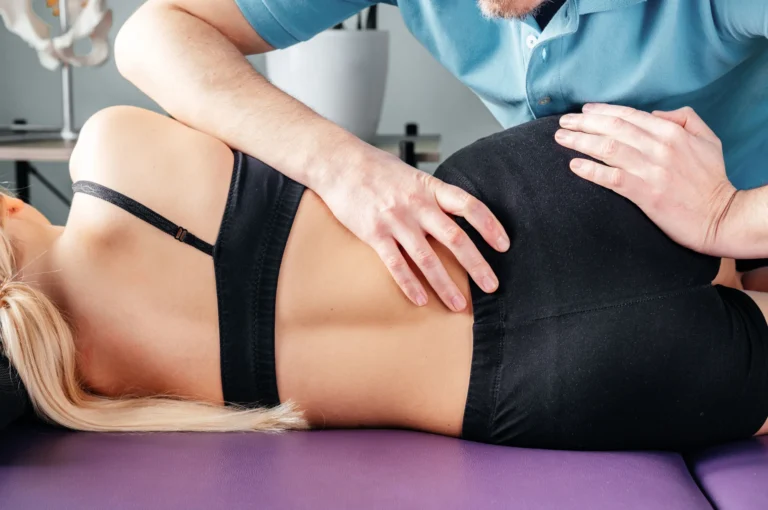
Sacroiliac Joint Dysfunction Physical Therapy Exercises

Pain near the back of the pelvis can come from the sacroiliac joint, which sits where the lower spine and pelvis meet. Sacroiliac joint dysfunction physical therapy exercises may help when pain is caused by stiffness. They may also help with weak hip control, poor core support, or SI joint irritation.

Physical Therapy for Shoulder Pain: What Patients Expect

Shoulder pain can come from the joint, muscles, tendons, nerves, or movement habits. A physical therapy plan for shoulder pain usually focuses on reducing pain, restoring motion, rebuilding strength, and helping you return to daily activities with better control.

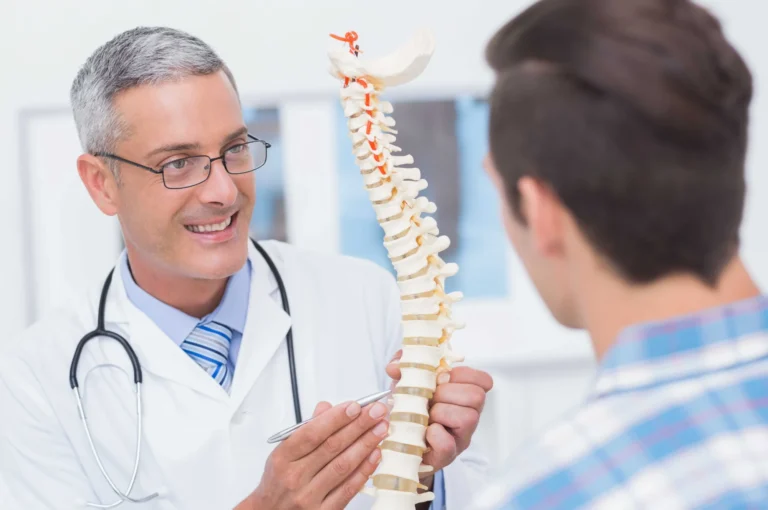
Spinal Cord Injury Physical Therapy and Recovery Guide

Spinal cord injury physical therapy helps people improve movement, strength, breathing, safety, and daily functioning. Care may include mobility training, transfer practice, wheelchair skills, gait training, pressure relief education, and spinal cord injury rehabilitation exercises.

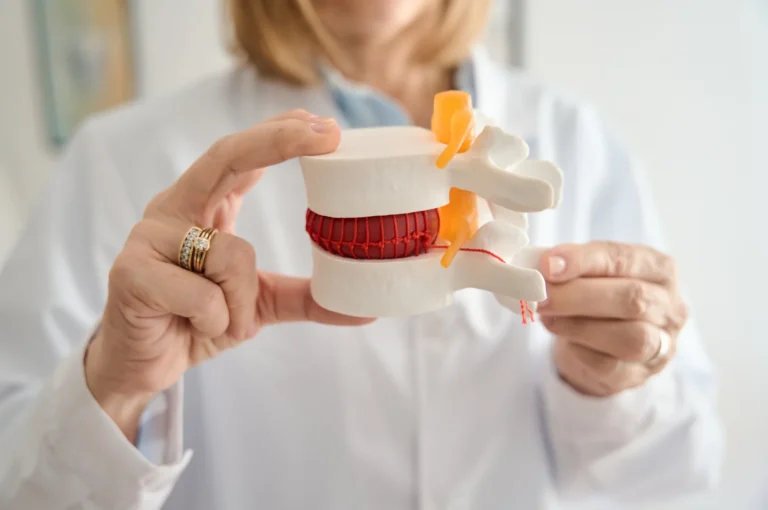
Physical Therapy for Herniated Disc Pain and Recovery

A herniated disc can cause back pain, leg pain, numbness, or weakness when disc material irritates a nearby nerve. Physical therapy for a herniated disc reduces symptoms, improves movement, and builds strength so the spine can handle daily activities with less strain.

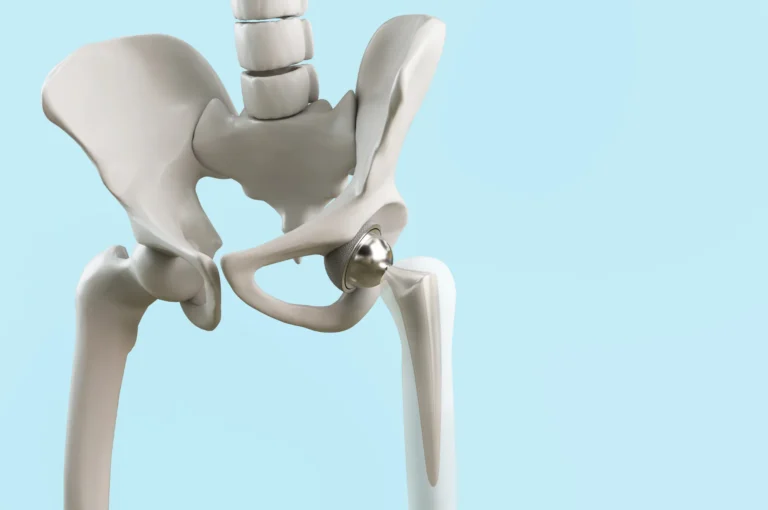
Hip Joint Pain Physical Therapy Exercises for Relief

Hip joint pain physical therapy exercises may improve mobility, strengthen supporting muscles, and make walking or climbing stairs easier when they match the source of pain. A useful program typically combines strength work, hip mobility exercises, and stretches to relieve hip pain. Results depend on the condition, consistency, workload, sleep, and health history.

Erb Palsy Physical Therapy Exercises and Recovery Guide

Erb palsy physical therapy exercises use gentle stretching, active movement, and play to protect mobility and improve arm function. The safest plan depends on which brachial plexus nerves are involved, the severity of the injury, the child’s age, and current movement.

Physical Therapy Interview Questions and Answers

A physical therapy interview may cover clinical skills, communication, teamwork, patient safety, and career goals. Preparing for physical therapy interview questions means reviewing common topics and practicing examples from your own experience.

Patellofemoral Syndrome Physical Therapy and Recovery Guide

Physical therapy can reduce patellofemoral pain by managing knee load. It can improve hip and leg strength. It also guides a gradual return to activity. A patellofemoral syndrome physical therapy plan often includes an assessment, targeted exercises, pain monitoring, and adjustments to running, stair climbing, or squatting.

You receive structured, one-on-one care designed to improve movement and support a more painfree and active life. Our physiotherapists can help you.
Keith Chan
Keith Chan, MPT, CKTP
A New York State licensed physical therapist with over ten years of clinical experience treating a wide range of patients. He earned his Master’s degree in Physical Therapy from CUNY Hunter College after attending Texas A&M University. He also brings extensive fitness expertise, with more than 17 years of experience as a certified personal trainer.
IN TOUCH NYC LOGO WHITE
In Touch NYC Physical Therapy delivers one-on-one care with licensed physical therapists — no aides, no shared sessions — at 3 Manhattan-area locations.

500+

Patients
Served

15+

Years Experience

98%

Patient Satisfaction

5.0★

Google Rating

SCHEDULING YOUR EVALUATION

Take the next step — one-on-one care with a licensed PT, tailored to your goals from day one.

Your recovery starts with one session

We assess your movement, identify the root cause of your pain, and build a clear plan — all in your first visit. No guesswork, just results.