
At ITNYCPT in New York City, licensed physical therapists like Keith Chan use INDIBA treatment as part of your rehab plan.
Keith Chan is a New York State licensed physical therapist with over 10 years of experience. This article explains how INDIBA rehab works, which injuries benefit most, and what to expect from treatment.
Key Takeaways
- INDIBA rehab uses 448 kHz radiofrequency to restore electrical balance in damaged cells, accelerating tissue healing and reducing pain without surgery or injections. This technology stimulates the body’s natural healing process at the cellular level.
- INDIBA works best for fresh soft-tissue injuries—such as muscle strains, tendon pain, and post-surgical recovery—where it typically shows improvement within 3–4 sessions. Chronic conditions may require 6–10 sessions because scar tissue responds more slowly.
- Results are fastest when INDIBA is combined with physical therapy, manual therapy, and therapeutic exercise rather than used as a standalone treatment. Rehabilitation plans typically include 2–4 sessions per week for 2–4 weeks, then reassessment.
- INDIBA is non-invasive with few side effects, but it’s not appropriate for people with pacemakers, metal implants near the treatment area, or pregnancy. Consult a healthcare provider before starting if pain has persisted for weeks without improvement.
- INDIBA accelerates cellular repair and improves blood flow. Still, it does not build strength on its own—which is why pairing it with exercise yields faster functional recovery than any single treatment alone.
How INDIBA Treatment and INDIBA Therapy Work
INDIBA sends radiofrequency energy into damaged tissue. It works by restoring the electrical charge that cells need to function and heal.
Cells need electrical charge to work properly. When an injury occurs, this charge is disrupted, and healing slows
INDIBA sends electrical current at 448 kHz – a frequency that reaches deeper tissues and restores that charge. Once the charge is restored, cells work normally again and heal faster. Healing still takes time, but the rate of tissue repair increases noticeably.
The 448 kHz frequency moves ions across cell membranes. This activates cellular processes and triggers healing signals in soft tissues.
INDIBA also heats the treated area. This raises tissue temperature and improves blood flow. Better blood flow brings oxygen and nutrients to damaged cells. The combination of electrical energy and heat creates the healing response that makes INDIBA rehab work so well.
Benefits of INDIBA: Why It Works in Rehabilitation
INDIBA rehab offers real advantages as part of your physical therapy program:
- Reduce pain – Heat and less swelling make it easier to move early in recovery
- Accelerate tissue repair – Works at the cell level, not just masking pain
- Improves blood flow – Better circulation brings oxygen and nutrients to damaged areas
- Allows faster progress – You can start therapeutic exercise sooner because tissue tolerates movement better
- Works on deeper tissues – Reaches muscles, tendons, and ligaments below the skin surface
- Works with manual therapy – Combines well with soft tissue work, Graston Technique, and Pilates-based exercise
- No surgery or injections – Non-invasive with few side effects when used correctly
- Uses the body’s natural healing – Helps cells repair themselves instead of just masking symptoms
INDIBA Rehab: Conditions That Respond Well
INDIBA treatment helps soft tissue injuries where healing has stalled. It works best when combined with physical therapy and movement.
Tendon and Ligament Injuries. Achilles tendon pain, rotator cuff strain, and elbow pain improve well with INDIBA. These tissues heal slowly because they have limited blood flow. INDIBA improves blood flow and helps cells function normally. The treatment helps repair tissue without causing further damage.
Muscle Strains and After Surgery. Muscle tears and surgical cuts create swelling that slows the body’s natural healing. INDIBA rehab reduces swelling and restores cell function. Tissue can reorganize and heal faster. After joint surgery or muscle repair, INDIBA helps prepare soft tissues for exercise.
Joint Pain and Arthritis. INDIBA improves joint movement and reduces swelling signals. Combined with gentle movement and hands-on work, it helps restore joint function. It works for both new injuries and long-term pain.
Sports Injuries. Athletes heal faster with INDIBA because treatment speeds up tissue repair. Ankle sprains, muscle tears, and ligament strains respond quickly. Athletes can return to training sooner when INDIBA rehab includes sport-specific exercises and gradual loading.

INDIBA Rehab: Recovery Timeline and What to Expect
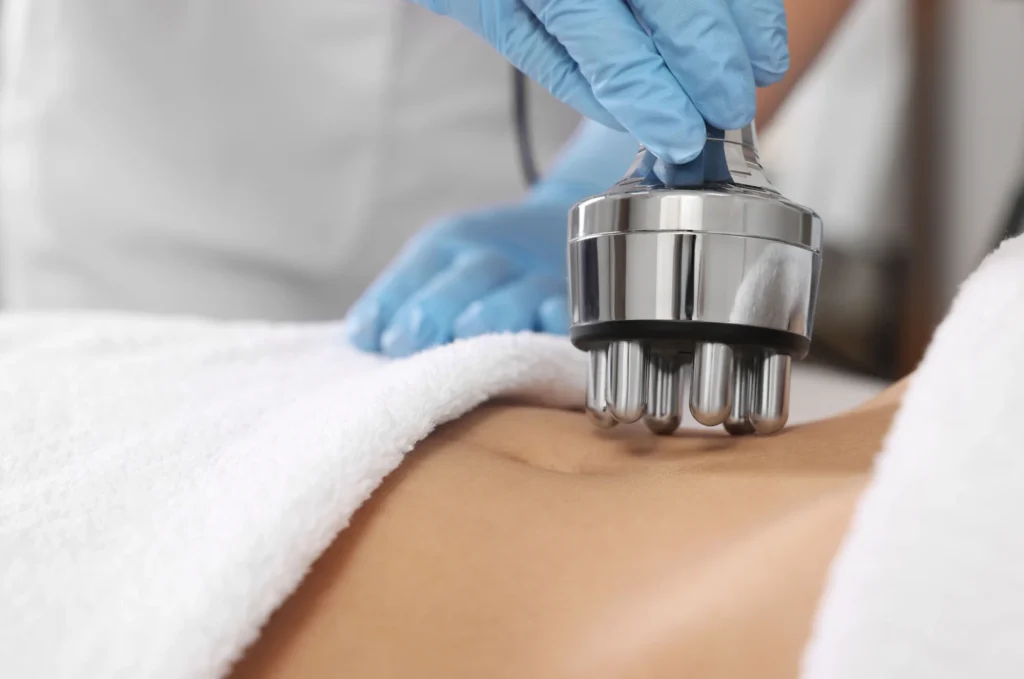
Sessions last 30–45 minutes. Your physical therapist places the INDIBA device on your skin over the injured area. You will feel warmth and a light tingling. Most patients feel comfortable and relaxed during sessions.
Important: One session does not fix the problem. Results happen over multiple sessions. Most INDIBA rehab plans include 2–4 sessions per week for 2–4 weeks. Your therapist then checks your progress and adjusts the plan.
How fast you heal depends on the type of tissue and the severity of the injury. Fresh soft-tissue injuries often improve noticeably within 3–4 sessions. Old tendon problems need 6–10 sessions because scar tissue takes longer to improve. Swelling after surgery usually decreases within 1–2 weeks of starting treatment.
Research on the effectiveness of INDIBA shows that the therapy reduces pain and improves tissue-healing markers. A 2022 systematic review and meta-analysis found that TECAR therapy (the technology behind INDIBA treatment) was effective for musculoskeletal pain when combined with physical therapy.
INDIBA rehab works best when paired with physical therapy. Your therapist may combine INDIBA with soft-tissue massage, Graston work, or Pilates-based therapeutic exercises. This comprehensive approach reduces pain, accelerates tissue healing, and restores movement all at once.
After each session, the treated area may feel warm for a few hours. You can do your normal activities right away – no special care is needed. As you heal, you need fewer sessions. The goal is to return to full function on your own without ongoing treatment.
INDIBA Rehab vs. Other Treatment Options
Want to know how INDIBA compares to other approaches? Learn more in our article Does INDIBA Really Work?
Physical Therapy Alone. PT helps you rebuild strength and movement through exercise. INDIBA speeds up cell healing but does not build strength on its own. Using both together works faster than using either one alone.
Laser Therapy. Both INDIBA and laser help healing, but they work differently. Laser works well for surface swelling. INDIBA reaches deeper tissues more effectively.
Injections or Surgery. Injections reduce swelling for a time. Surgery fixes torn tissue. INDIBA helps cells function without injections or surgery – no downtime or serious problems. For some injuries, INDIBA prevents the need for surgery. For completely torn ligaments, surgery may still be necessary.
Curious about what INDIBA treatment involves in detail? Read our comprehensive guide to understand the process step by step.
Is INDIBA Rehab Right for You?
INDIBA works best for people with fresh soft tissue injuries, no metal implants in the treatment area, and a willingness to complete multiple sessions. People who combine INDIBA with physical therapy and do their home exercises see faster results.
Do not use INDIBA if you have a pacemaker or metal implants near the area to be treated. It can interfere with electrical devices. Pregnancy is a caution because we do not have enough safety information. Wounds or infections need to heal first. For more details on safety, see our article on INDIBA treatment side effects.
Talk to a healthcare provider before starting INDIBA if pain has lasted weeks without improvement. A physical therapist can determine whether INDIBA rehab is appropriate for your specific injury and goals.

Frequently Asked Questions
How many INDIBA rehab sessions do I need? Most fresh injuries improve in 4–8 sessions. Long-term problems usually need 10–15 sessions. Your therapist will check your progress and adjust the plan.
When will I see improvement? Some people notice change after 1–2 sessions. Most see clear improvement within 3–4 weeks of steady treatment.
Does INDIBA hurt? No. Sessions feel warm and comfortable. Pain means something is wrong and should be reported right away.
Still wondering about the basics? Visit our article What Is INDIBA? for a foundational overview. Or learn about INDIBA body treatment to see how the technology extends beyond musculoskeletal rehab.
Summary
INDIBA rehab is an evidence-based approach to tissue healing that accelerates recovery through radiofrequency technology. When combined with physical therapy, it provides a non-invasive path to faster, more functional healing.
Research Citation
- Vahdatpour B, Haghighat S, Sadri L, Taghian M, Sadri S. (2022). “Effects of Transfer Energy Capacitive and Resistive On Musculoskeletal Pain: A Systematic Review and Meta-Analysis.” Georgian Medical News. doi: 10.31661/gmj.v11i.2407