
Blog

Physical Therapy After Back Surgery: Recovery Guide

Physical therapy after back surgery helps patients rebuild movement, strength, and confidence. The plan depends on the type of surgery, postoperative restrictions, pain level, nerve symptoms, and the surgeon’s instructions.

Lymphedema Physical Therapy: Treatment and Exercises

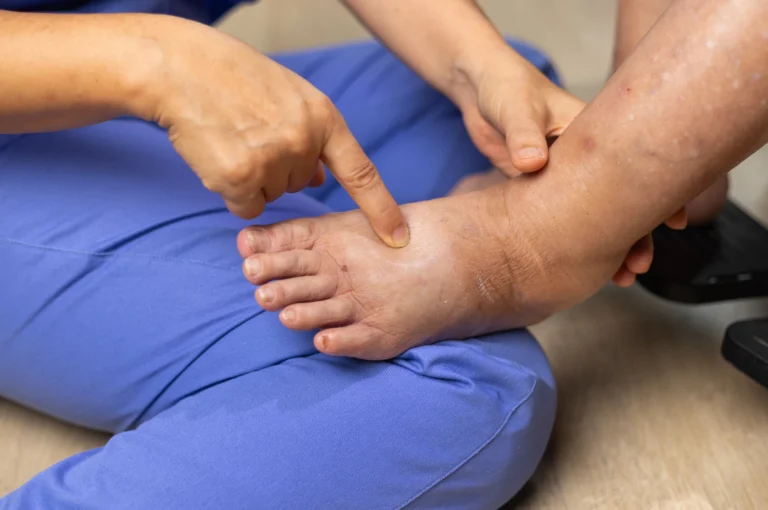
Lymphedema physical therapy can help manage swelling, improve movement, and support daily function. It helps when lymph fluid builds up in an affected area. While physical therapy does not cure lymphedema, it can help reduce discomfort, improve mobility, and make daily activities easier.

Kyphosis Physical Therapy Treatment Guide

Kyphosis physical therapy helps improve posture, strength, mobility, movement control, and comfort. It treats cases where the upper back curves forward more than normal. PT can help many people manage symptoms and improve posture. Results depend on the type and cause of kyphosis.

HEP Physical Therapy: Meaning, Exercises, and Home Plan

A home exercise program (HEP) is a set of exercises from a physical therapist. The patient does them outside the clinic. In HEP physical therapy, the goal is to support recovery between visits. It also aims to improve mobility and bring the care plan into daily life.

Flat Foot Physical Therapy Treatment: What to Expect

Flat feet – also called pes planus – affect about 30 percent of adults, but most people with flat feet never develop pain. When foot pain, ankle strain, or other foot health problems occur, flat-foot physical therapy is a structured, non-surgical first-line option.

Degenerative Disc Disease Physical Therapy Treatment

Degenerative disc disease physical therapy treatment focuses on relieving pain, improving movement, and helping people return to daily activities with safer loading habits. It does not reverse disc aging, but it can help many people manage symptoms. These symptoms include disc degeneration, stiffness, weakness, and nerve irritation.

Ankle Sprains Physical Therapy Guide

An ankle sprain can affect pain, walking, balance, and confidence during daily movement. A clear ankle sprain physical therapy guide shows how rehab can restore motion, build strength, and lower the risk of reinjury.

Physical Therapy for Neck Pain: What to Expect

Neck pain is a common condition that affects people across all age groups and activity levels, and for most, physical therapy for neck pain is one of the most well-supported approaches for addressing it.

Physical Therapy for Neck and Shoulder Pain: What to Know

Neck and shoulder pain can come from muscle strain, poor posture, joint stiffness, nerve irritation, or the way the neck and shoulders move together. For someone seeking physical therapy for neck and shoulder pain, the main question is often: Can PT identify the source of the pain and guide safe movement?

You receive structured, one-on-one care designed to improve movement and support a more painfree and active life. Our physiotherapists can help you.
Keith Chan
Keith Chan, MPT, CKTP
A New York State licensed physical therapist with over ten years of clinical experience treating a wide range of patients. He earned his Master’s degree in Physical Therapy from CUNY Hunter College after attending Texas A&M University. He also brings extensive fitness expertise, with more than 17 years of experience as a certified personal trainer.
IN TOUCH NYC LOGO WHITE
In Touch NYC Physical Therapy delivers one-on-one care with licensed physical therapists — no aides, no shared sessions — at 3 Manhattan-area locations.

500+

Patients
Served

15+

Years Experience

98%

Patient Satisfaction

5.0★

Google Rating

SCHEDULING YOUR EVALUATION

Take the next step — one-on-one care with a licensed PT, tailored to your goals from day one.

Your recovery starts with one session

We assess your movement, identify the root cause of your pain, and build a clear plan — all in your first visit. No guesswork, just results.