
Blog

INDIBA Contraindications Cancer Patients Should Know

INDIBA radiofrequency therapy is not used over an active tumor, and that restriction is treated as absolute.

The Indiba contraindications cancer patients need to clear before treatment fall into two tiers: hard exclusions like active or undiagnosed malignancy, and relative precautions such as lymphedema or post-radiation skin, which a therapist can work around with lower output and closer monitoring.

INDIBA Contraindications: Severe Heart Disease Guide

Radiofrequency therapy raises a fair question for anyone with a heart condition. Searches for Indiba contraindications for severe heart disease usually come from people checking whether the treatment is safe for them.

The short answer: severe heart disease is not on the manufacturer’s banned list, but pacemakers and other electronic implants are. An implant rules the treatment out.

INDIBA Contraindications, Precautions, and Safety

INDIBA therapy is not suitable for every patient. The main INDIBA contraindications include pregnancy, pacemakers, certain electronic implants, and thrombophlebitis. Other health issues may require medical clearance, lower settings, or changes to the treated area.

What Is INDIBA Body Treatment and How Does It Work

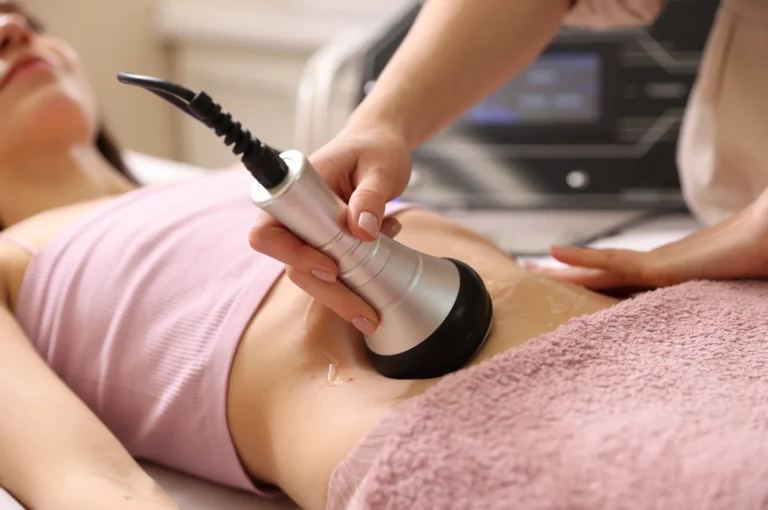
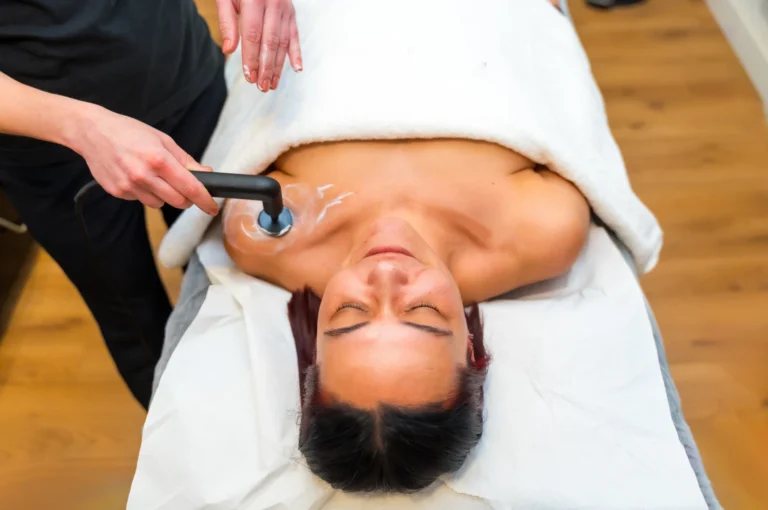
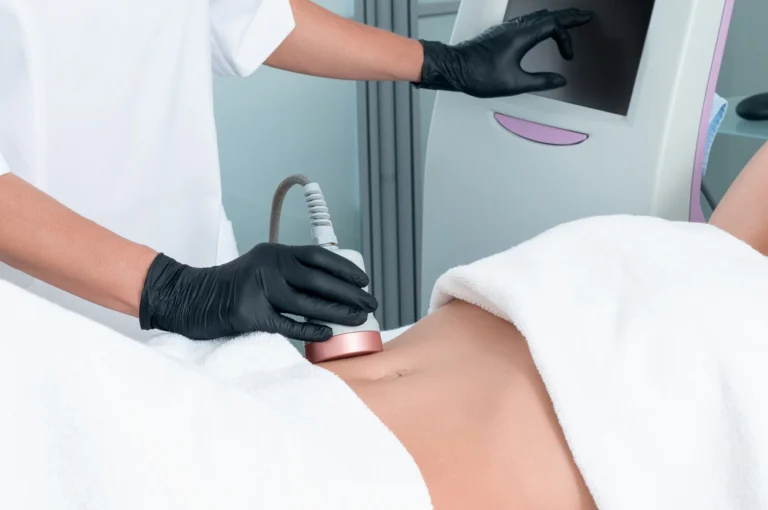
At 448 kHz, radiofrequency energy from an INDIBA body treatment penetrates tissue beneath the skin without disrupting its surface. The frequency triggers three responses in treated tissue: it stimulates cellular metabolism, increases blood flow, and promotes tissue regeneration.

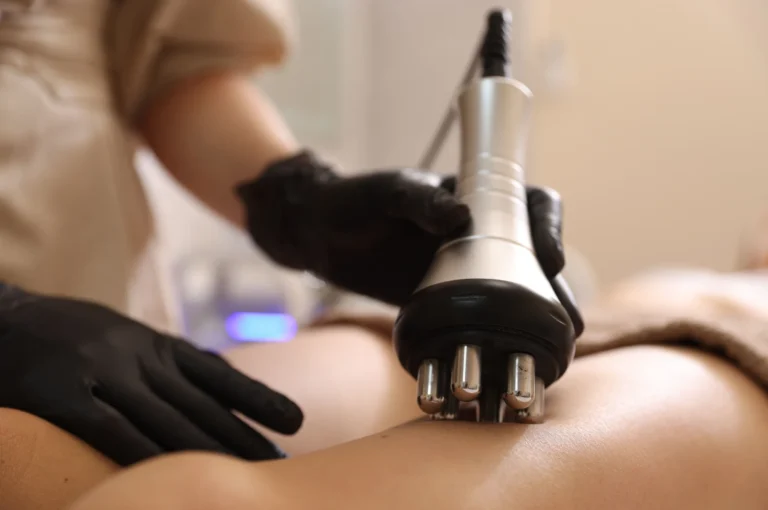
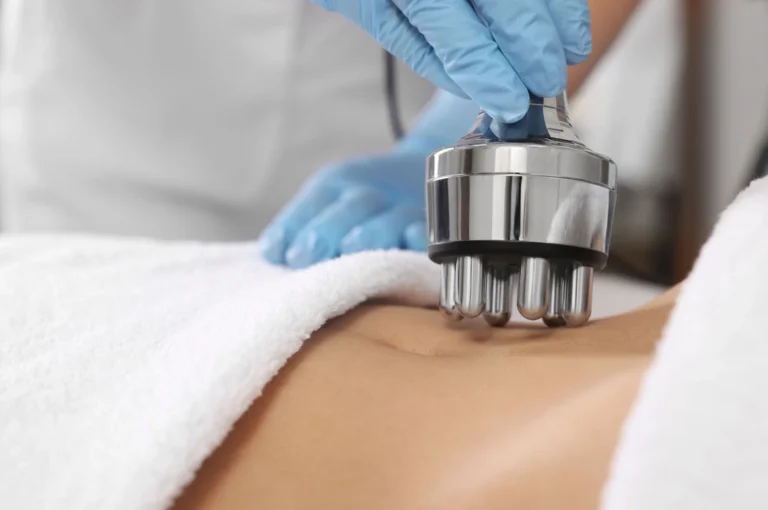
These effects make it applicable for body contouring, reducing cellulite, tightening sagging skin, and relieving chronic muscle and joint pain. The sensation throughout is a steady, deep warmth – noninvasive, with no downtime.

Does INDIBA Really Work for Physical Therapy Care?

INDIBA may reduce pain, stiffness, and movement limits for some patients. The answer to “does indiba really work” depends on the condition, treatment settings, and the full rehab plan.

It uses 448 kHz radiofrequency to warm tissue, increase blood flow, and affect cell activity. It may support tissue repair, but results vary and are not guaranteed.

INDIBA Treatment Side Effects and Safety Guide

INDIBA treatment side effects are usually mild and short-lived. They may include temporary redness, warmth, tingling, or skin sensitivity. Severe pain, burning, blisters, or lasting numbness are not expected and should be reported.

What Is INDIBA Radiofrequency Therapy?

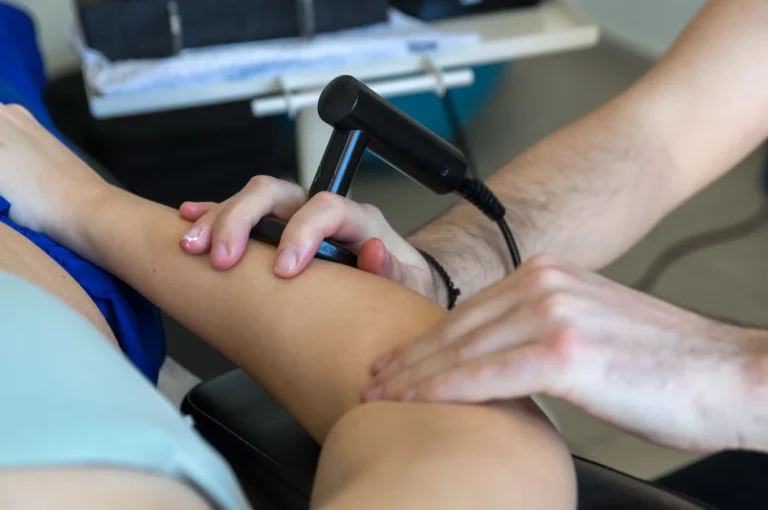
INDIBA radiofrequency therapy is a heat-based treatment used in physical therapy. It sends a controlled electrical current through the tissue to generate heat and may help ease pain or stiffness.

For people asking what INDIBA is, it is a treatment tool that may support rehab, but it does not replace exercise or medical care.

What Is INDIBA Treatment, How It Works, and Who It Helps

A non-invasive radiofrequency technology operating at a fixed frequency of 448 kHz, Indiba treatment delivers controlled electromagnetic energy into deeper tissues to restore the natural electrical balance of cells.

This activates cell metabolism, increases local blood flow, and stimulates collagen production – making it applicable across both physical therapy and aesthetic medicine.

In clinical settings, it is used for pain relief, soft tissue injury, sports recovery, pelvic floor conditions, and post-surgical healing. In aesthetic use, it targets skin tightening, fat reduction, and cellulite reduction.

Low Back Pain Physical Therapy: What Helps and Why

For most people, low back pain physical therapy treatment follows a clear path. It finds the source of the pain, treats the cause, and rebuilds strength with a plan. Results depend on factors like diagnosis, fitness level, and consistency.

You receive structured, one-on-one care designed to improve movement and support a more painfree and active life. Our physiotherapists can help you.
Keith Chan
Keith Chan, MPT, CKTP
A New York State licensed physical therapist with over ten years of clinical experience treating a wide range of patients. He earned his Master’s degree in Physical Therapy from CUNY Hunter College after attending Texas A&M University. He also brings extensive fitness expertise, with more than 17 years of experience as a certified personal trainer.
IN TOUCH NYC LOGO WHITE
In Touch NYC Physical Therapy delivers one-on-one care with licensed physical therapists — no aides, no shared sessions — at 3 Manhattan-area locations.

500+

Patients
Served

15+

Years Experience

98%

Patient Satisfaction

5.0★

Google Rating

SCHEDULING YOUR EVALUATION

Take the next step — one-on-one care with a licensed PT, tailored to your goals from day one.

Your recovery starts with one session

We assess your movement, identify the root cause of your pain, and build a clear plan — all in your first visit. No guesswork, just results.